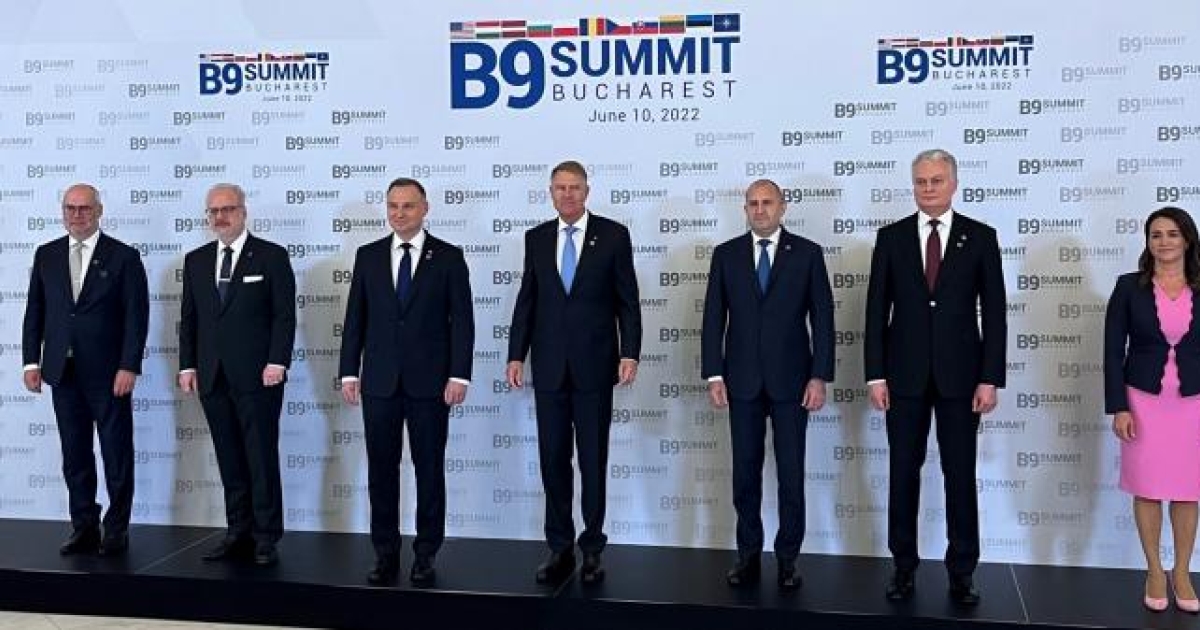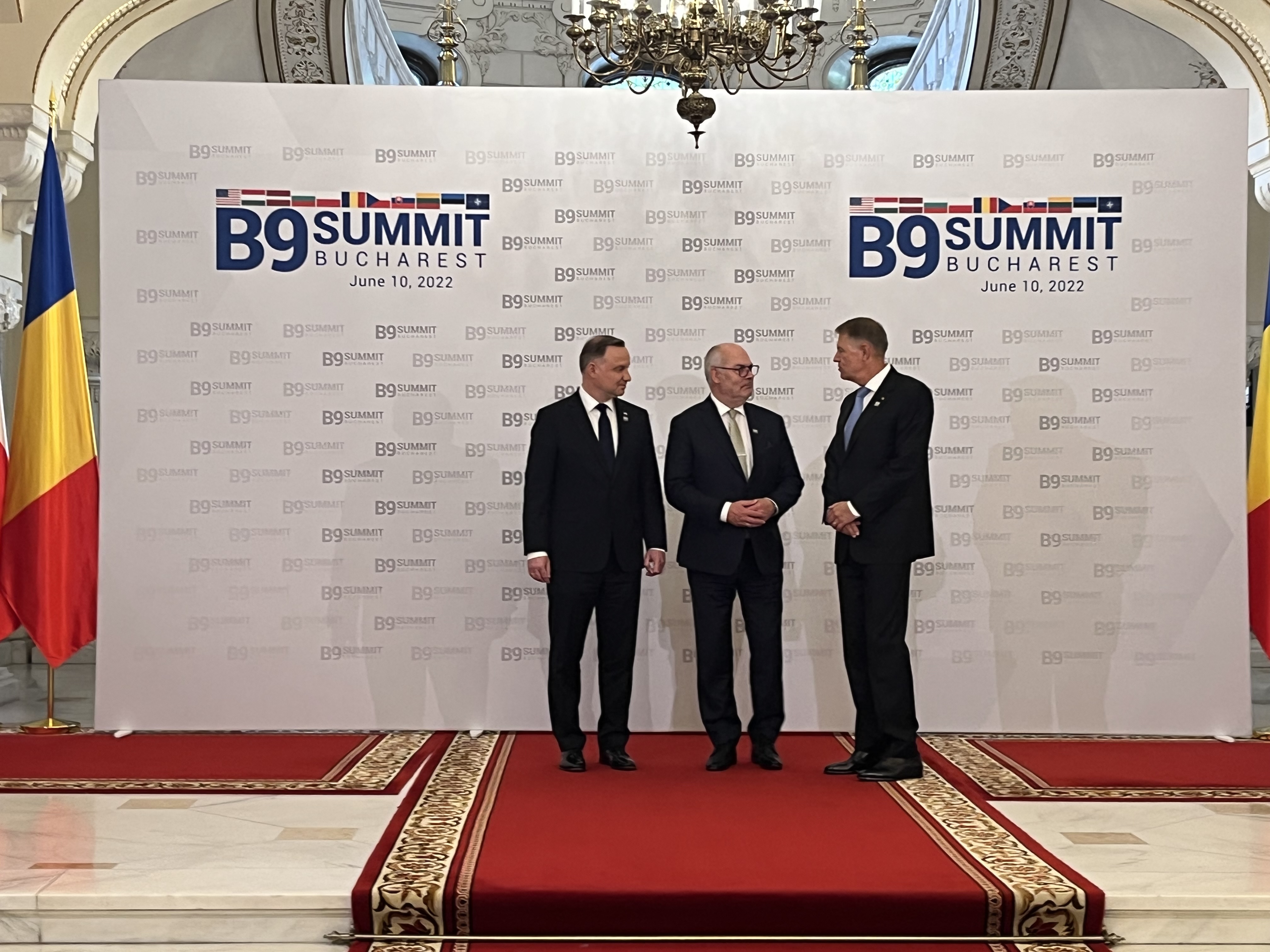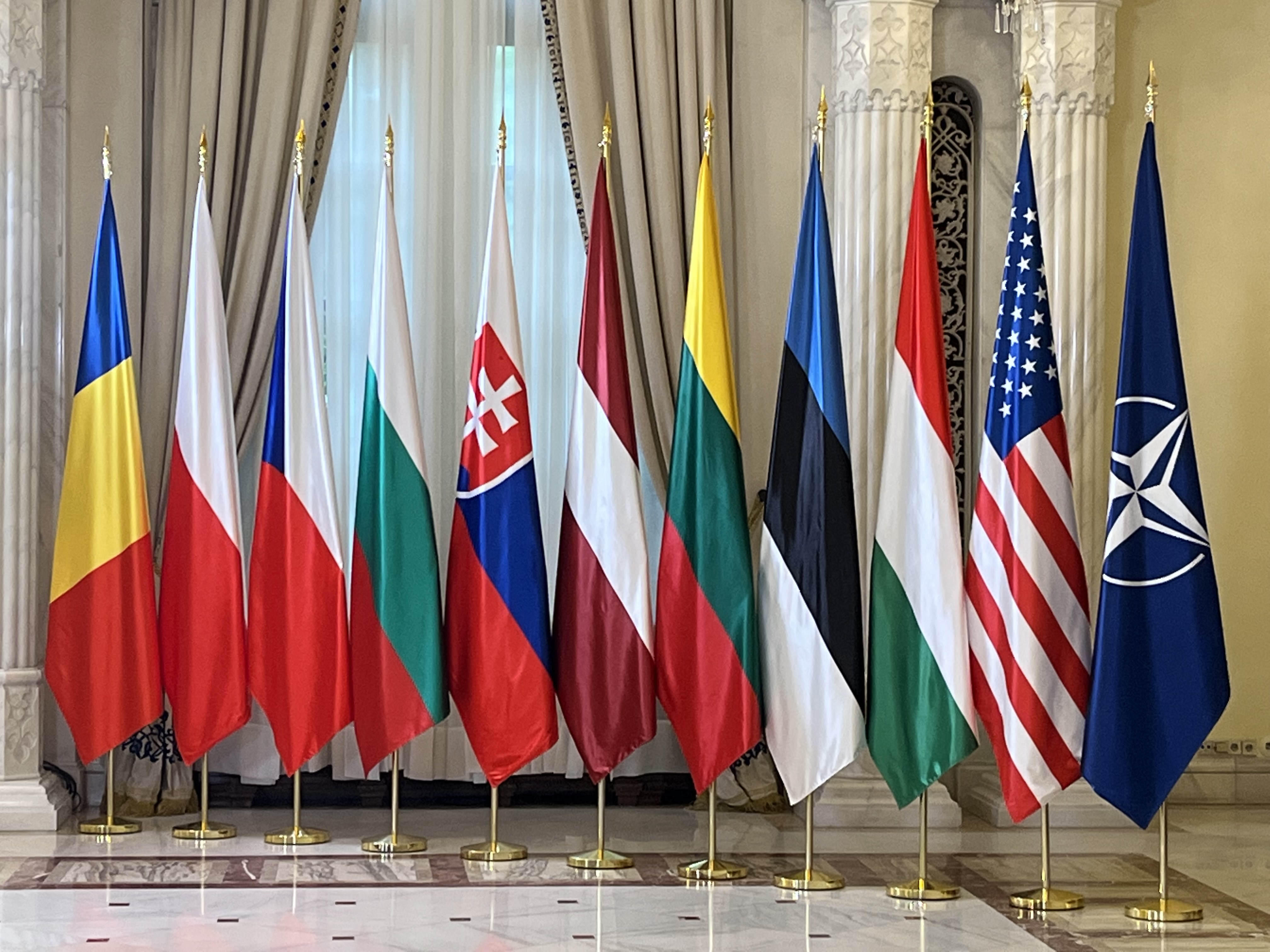
I would like to start by thanking Jens, your role in keeping the alliance united has been critical. I appreciate your tireless work in constantly advocating for the need to strengthen the Eastern flank and for helping to bring Finland and Sweden to NATO.
I have three points for you to consider. They are, unfortunately, not of the optimistic kind.
First, I am concerned that NATO and the collective ‘West’ is reacting still too slowly to the strategic shift that Russia’s aggression means for the Euro-Atlantic area. To the threat from Russia to NATO nations.
So far, discussions among allies have not delivered the urgency I hoped for. The NATO Summit in Madrid must show that a real change in our thinking and actions has happened. I argue, that it cannot be done without some key elements. One: a much stronger military posture. Two: substantially increased defence spending to sustain it. Three: clearly concentrating on collective defence, and treating Russia as the most direct and immediate threat to NATO. These elements must be better reflected in the new Strategic Concept.
Second, NATO´s posture on its Eastern flank needs to be significantly strengthened. And the Baltic region remains militarily the greatest challenge for NATO. I argue, that if we don’t fix this in Madrid, the danger to NATO will be real. Russia will only be deterred by credible military force, so this is what we urgently need.
For weeks now, in Pskov, the 76th Air Assault division is burying its boys. There are new graves every day. But even with these heavy losses Russia’s military machine keeps grinding, it is still very much functioning. Our strategic assessment is that in a few years, they will have regrouped and restored their losses. And I am sure Russia will further harden its position and its military posture against NATO. RU’s strategic objectives have not changed. RU remains unpredictable and causes enormous damage and suffering.
Therefore, we need a credible military construct on the Eastern flank that will deter Putin. And in particular in areas where Russia has a military superiority over NATO. This should include more Allied forward presence, more earmarked forces, more prepositioned equipment and more enablers to fill existing gaps.
Third, Russian forces are gaining ground in Ukraine. I know that Russia has failed to achieve its initial ambitions. But they have acquired significant, and strategic stretches of Ukrainian territory and keep pushing forward. They are already integrating these areas into Russia.
Ukraine at this moment lacks the capability, particularly in terms of armaments, to take military initiative. This is making it very difficult to foresee the possibility that the territories that have been lost since 24th February could be returned to Ukraine. We must help to turn this situation around.
Many allies have given a significant amount of military aid to Ukraine. But what Ukraine’s friends have provided to date, will only help to keep them from massively losing more territory. It is not enough to win.
My message is simple – we must do even more, and convince others too. All of us at this table, all NATO allies, and NATO itself. Ukraine needs more firepower and weapons with more extensive ranges. And we need to keep this support going for as long as it takes. Because this does not just matter for the future of Ukraine, it is as important if we wish to see peace and stability in Europe as a whole.
Finally, we must also give hope. Keep the open door policy alive and re-confirm the validity of this policy by taking the accession process for Finland and Sweden forward. We very much hope that disagreements related to Finland and Sweden joining NATO will be solved ASAP, allowing them to participate as invitees. That would be a strong manifestation of NATO’s unity. For other aspirants it is important to show that Russia has no veto power over our decisions.