Ladies and Gentlemen,
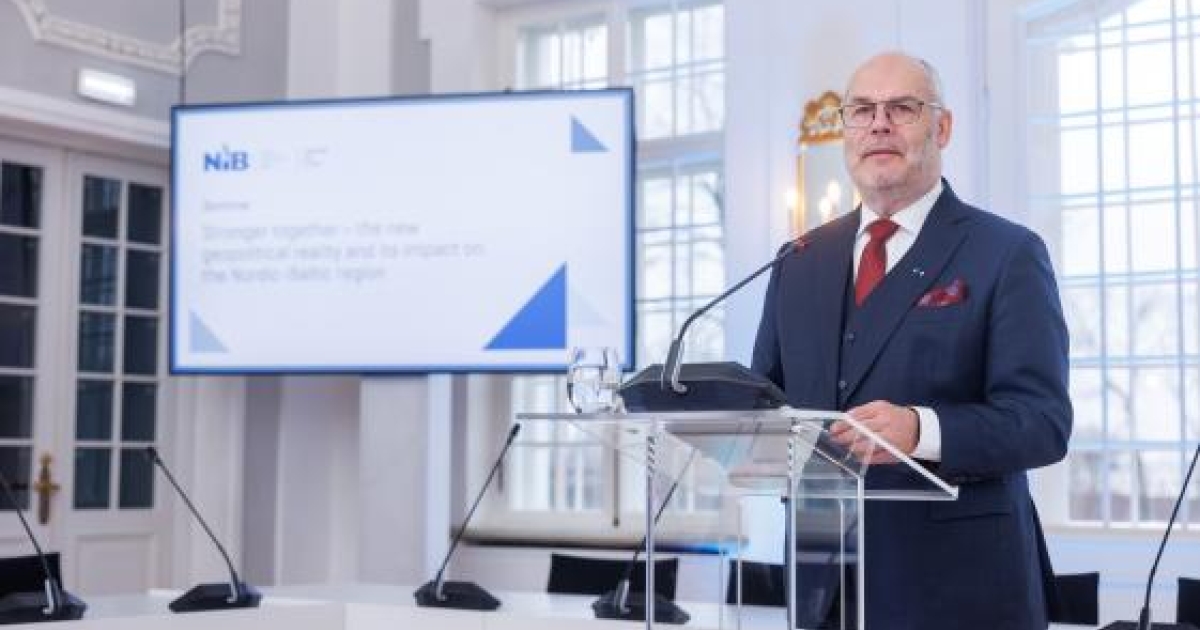
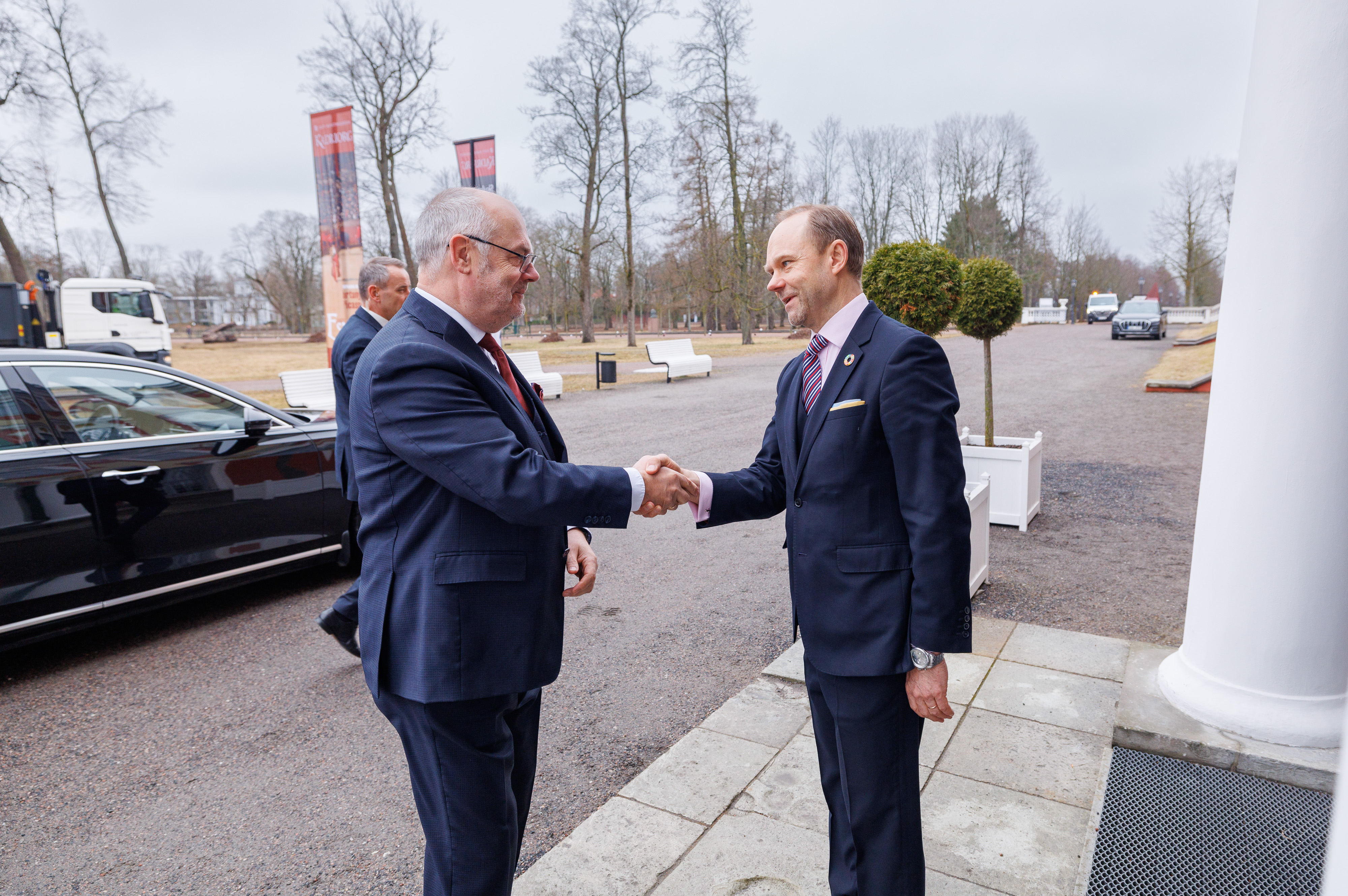
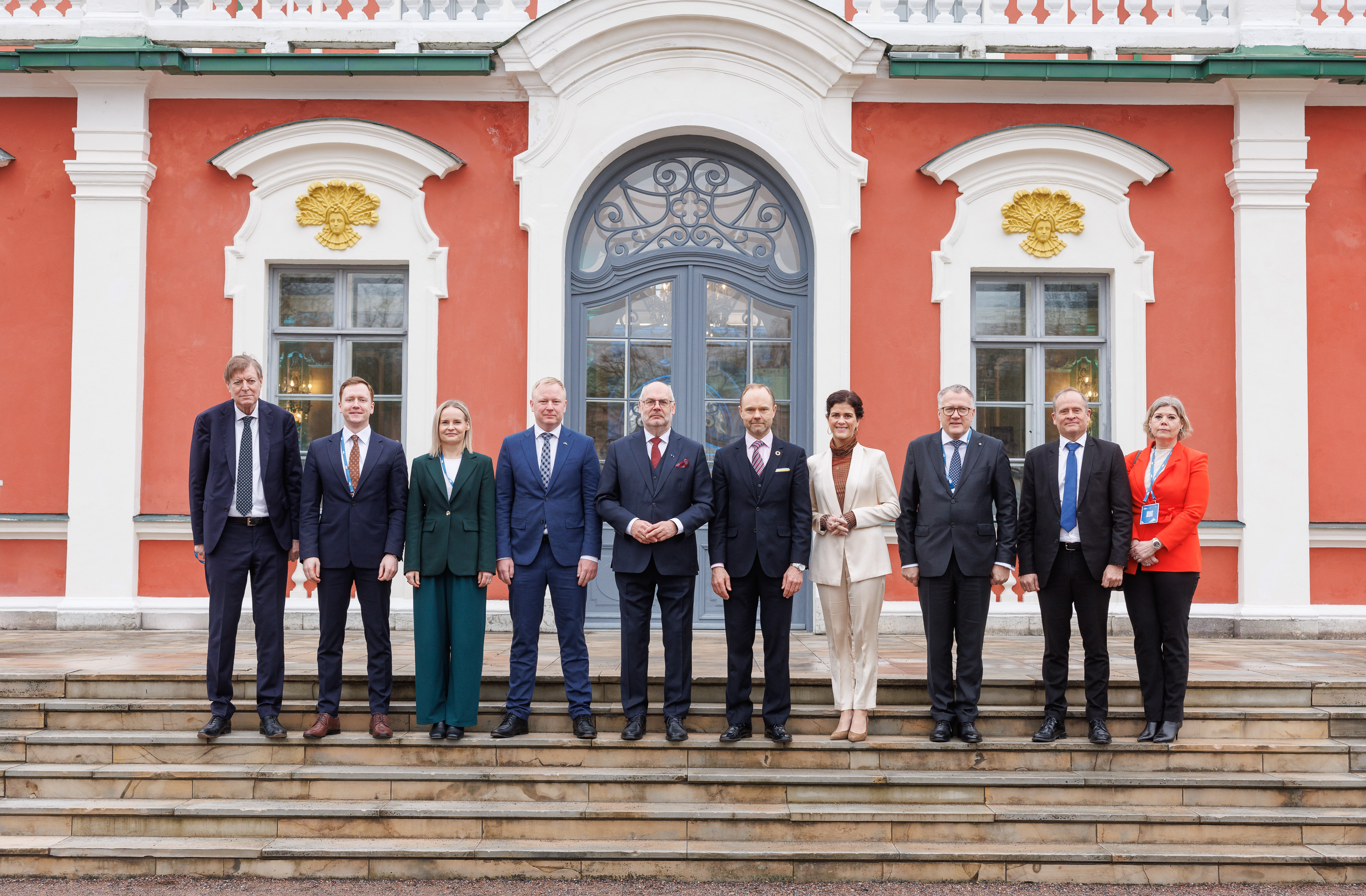
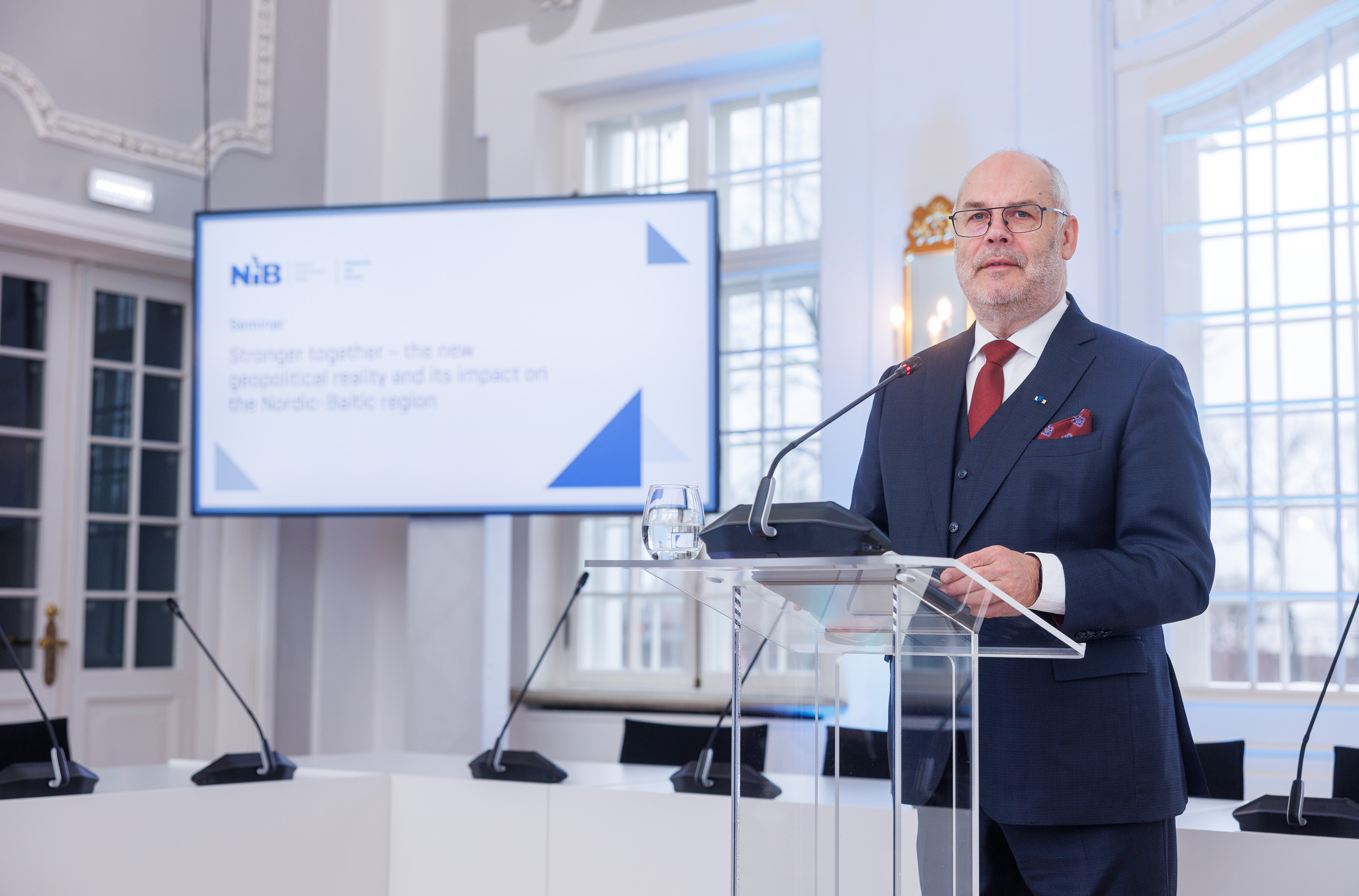
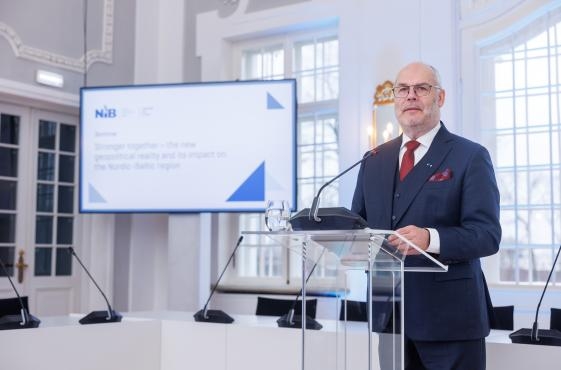
I welcome you in Tallinn at the Nordic Investment Bank board of governors meeting. Today’s weather is cloudy as it quite often is in early spring. But everybody knows the sky will clear up and it will get sunnier, when summer approaches. The economy is very similar to the weather due to its cyclical nature. It is all cloudy now, but the conjuncture will get nice and warm sooner we might expect. It has always got.
Recent discussion about the economy has been largely about short-term issues: high inflation, sluggish demand in construction and weak industrial output. These are all important topics, but in addition to the short-term issues, we should think more about long-term focus and goals that shape the future and competitiveness of the whole Nordic-Baltic region. I will mention a few.
First. It is crucial to acknowledge recent developments that have profoundly affected our collective landscape. Russia’s attack on Ukraine was a confirmation that Russia’s imperialistic intentions have not changed, but remain the same as they have been for centuries.
Russia is constantly preparing for war and invasion of free nations. Our job is to help Ukraine to win the war and build convincing deterrence ourselves. As I said last month in Finland: our strength is a path to peace, while our weakness breeds more war.
Strengthening our defense is also a challenge to the business sector. On one hand, there is a need to finance defense policies themselves, which requires a strong economy. On the other hand, there is a need for an industry capable of providing the necessary products for the defense sector.
This implies the need for expanding existing industrial enterprises, as well as for the development of new production facilities. The need for new production capacities can turn the challenges ahead into opportunities, which in turn creates possibilities for the growth of research-intensive entrepreneurship and the sophistication of the industry.
Second. Europe has long been dependent on imported energy and raw materials. Increasingly, we also rely on technology, manufacturing capacity, and supply chains from other regions. Evergreen, the Covid-19 crisis as well as the war in Ukraine, demonstrate the need for us to enhance the capacity to provide goods we depend on in our region and diversify supply chains.
Lowering our dependence on imported energy and of certain raw materials is also relevant for our climate ambitions. We have the opportunity to do produce with a smaller environmental footprint than our competitors, considering the possibilities offered by the circular economy and utilizing the latest available technologies.
The green transition entails the need for new materials and mineral resources, therefore building the supply-chains in our region is crucial for the development of future business models needed for the transition. Mining, energy sector, as well as industry, will require significant investments over the next decades.
Third. Our region must remain an attractive place for establishing businesses in the future. There has been much talk in Estonia about the need for collaboration between academia and businesses, which is likely the case everywhere. In addition to this our region should be attractive to the brightest people in the world, so that they would want to establish their companies here.
We have much to learn from each other in this regard. A year ago I visited research facilities in the southern part of Sweden, which were a great example of how science infrastructure entices research-intensive companies to develop their products.
Construction of European Spallation Source was co-financed by Nordic Investment Bank – it is a great example how smart investment in infrastructure can be put in practice to enhance productivity and build tech-intensive companies. Similar projects are much needed all across the region including Estonia.
Capital intensive facilities are of course just one part of the puzzle in building the tech cluster. In recent meetings with Estonian and Finnish venture capital fund managers, it was emphasized how important it is to fund tech companies at the stage when their products are being brought to the market.
Several startups, which were developed during the low-interest rate era, are in this phase now, but financing conditions have much changed. In this phase, we often lag behind the funding models of other countries and there are unfortunate examples of tech-companies moving out from our regions to look for better financing options abroad. Could you do something about it?
Fourth. I believe that in addition to all the things we should change, there are some, which are truly very good already. These things should not be changed, but developed further. And by that I mean the general openness and flexibility of the business environment of the Nordic-Baltic region.
We have the tradition of pro-market economic policies and strong economic freedoms. These tend to be underestimated in challenging times, but history has shown that they bring significant benefits for long-term economic development.
In conclusion, I am optimistic about the future. The clouds are dispersing. We need to collaborate to grow our businesses and export beyond the region. By recognizing our interconnectedness, prioritizing common goals, and leveraging tools such as the Nordic Investment Bank, we can build a more resilient and prosperous future for generations to come.
Thank you!