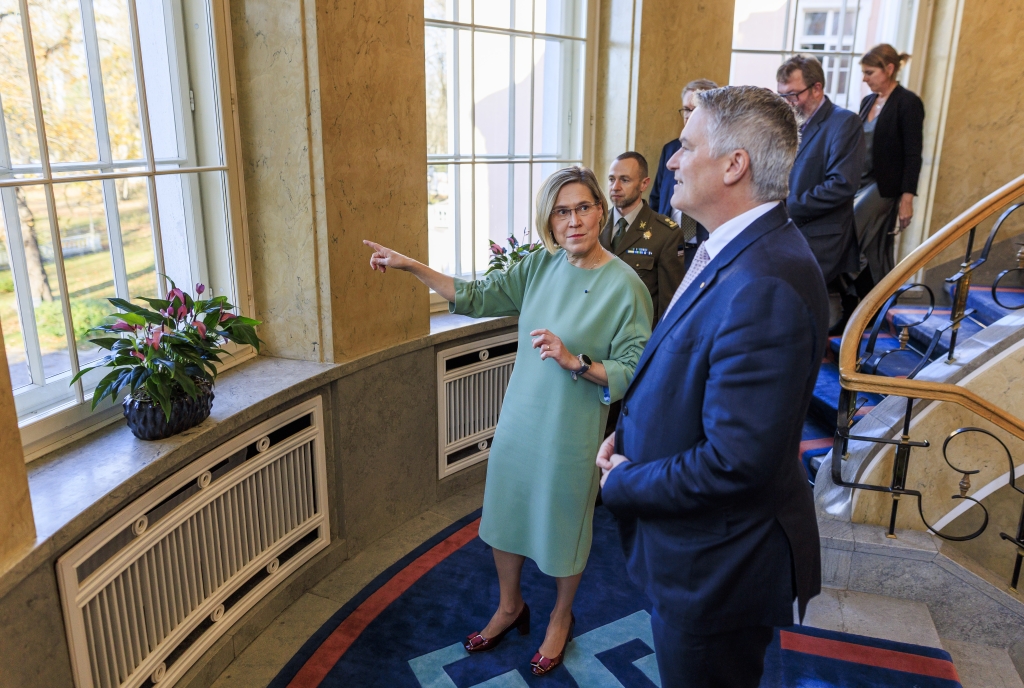
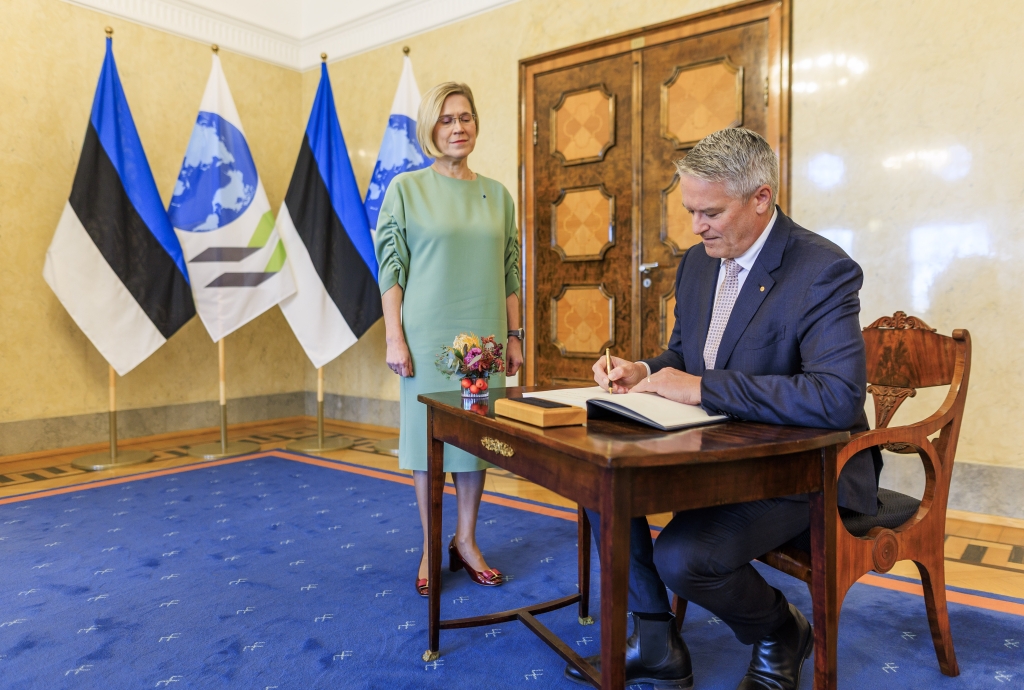
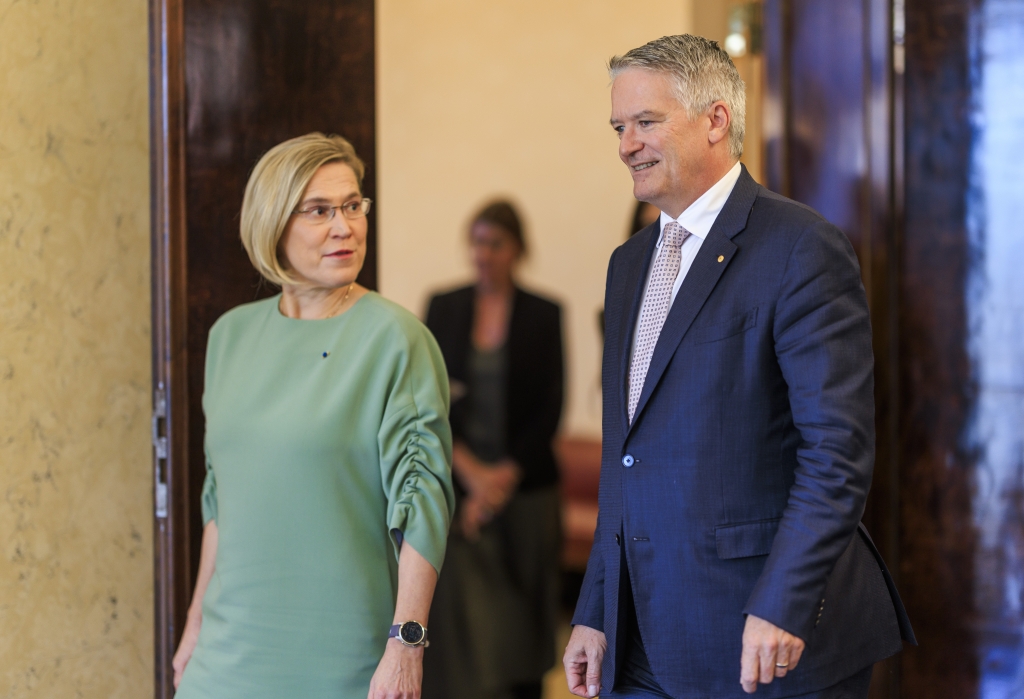
“Trust is the basis of the development of AI, the digital state and education,” she remarked. “Estonia has performed strongly when it comes to both education and building up a digital society. To move forward, we must ensure that every child receives a good education and that everyone benefits from technological progress. AI must help us, but responsibility and decision-making power must remain in human hands. At the same time, we must be smart enough to avoid becoming overly dependent and eschew the kind of comfort that breeds laziness. We need to seek a healthy and genuinely effective balance between what is possible and what is necessary.”
The head of state stressed that Estonia’s strong PISA results, which have boosted recognition of the OECD in the country, will not be sustained on their own. “To make sure that they are sustained, we need to modernise teacher training and our curriculums, and provide students with support that is in line with their needs,” she urged. “Estonia’s AI Leap must not only ensure that new technology is used securely, and with a critical eye, but also free up valuable time for teachers to give students precisely the help they need.”
President Madise says the further development of the digital state must be guided by what people require at different stages of their lives, so that they obtain the support they need as easily as possible. “People shouldn’t have to go to enormous lengths to find out who they need to turn to about a particular issue,” she remarked. “The state is well placed to make it easier for them to access the services they need. And again, the more use we make of data and AI, the clearer it should be how decisions are made and who is responsible for them.”
The head of state acknowledged the OECD’s expertise in economic policy, adding that the Estonian Economic Review, which is published every two years, helps to assess how well the country’s own economic policy choices are working. “It is extremely useful for policy-making in Estonia,” she said.
Discussing the enlargement of the OECD, President Madise expressed her backing for the countries whose preparations are most advanced – Bulgaria, Croatia and Romania among them – being allowed to join as a matter of priority. She also reiterated Estonia’s full support for Ukraine’s accession efforts. “The OECD has a key role to play in Ukraine’s reconstruction,” she noted. “Estonia is seeking to make its own practical contribution to that as well, via the Ukraine Recovery Conference.”
Gallery (Karli Saul/Office of the President)