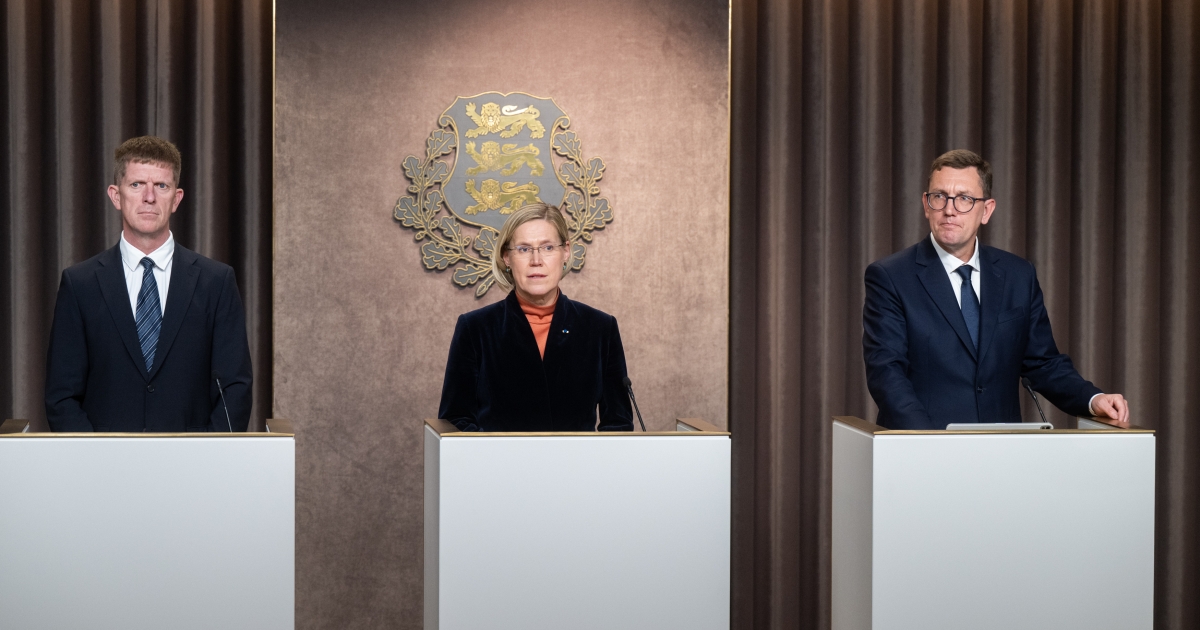


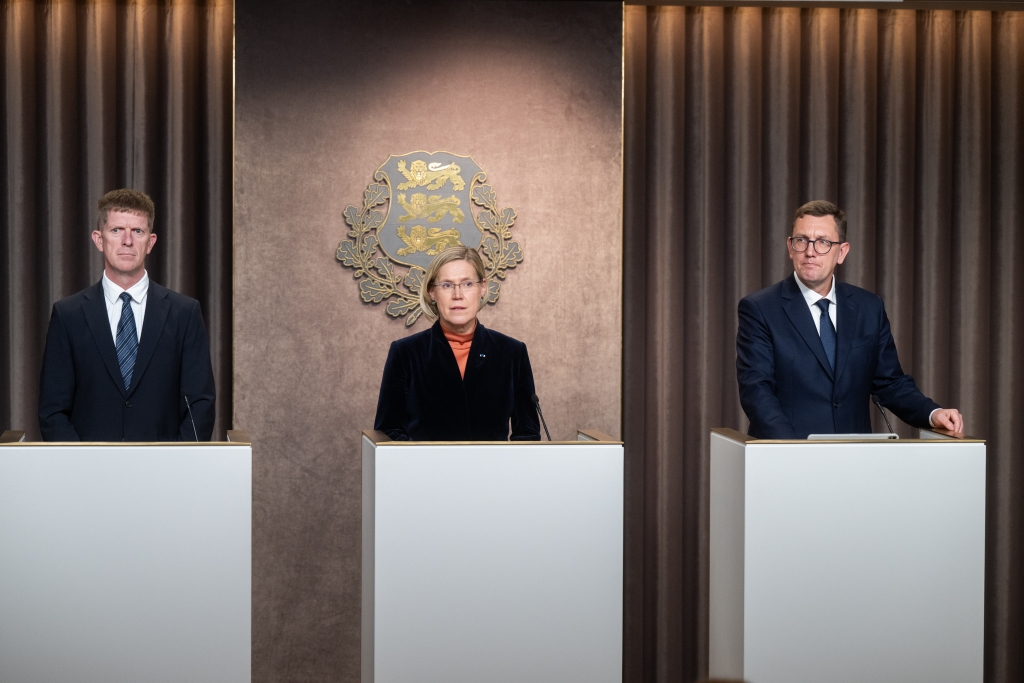
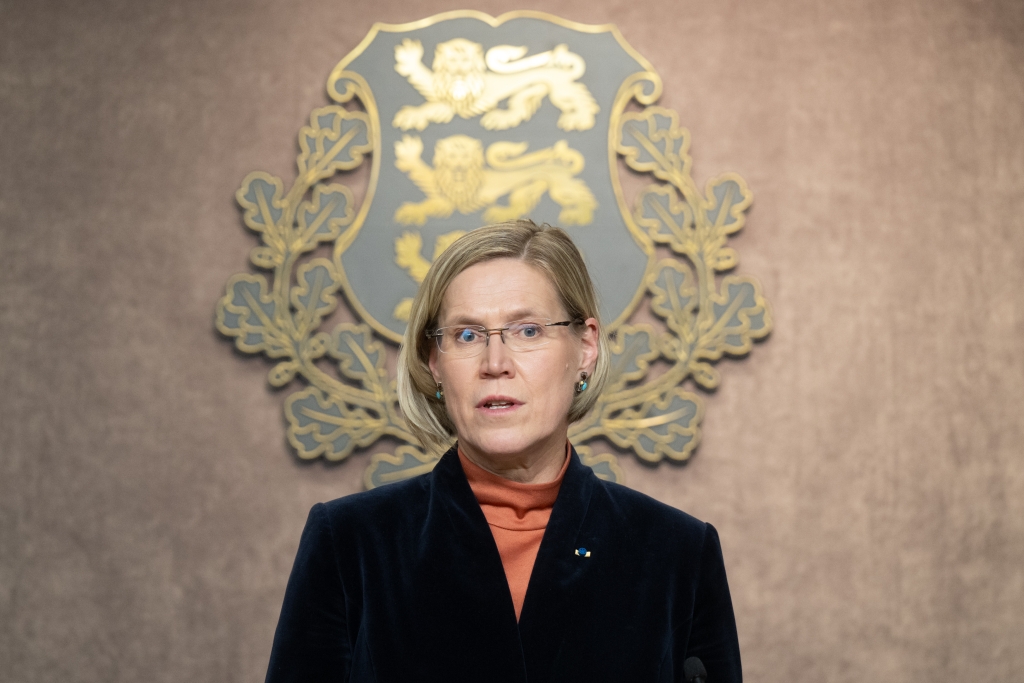
“Our security is reliant on everyone in society being prepared for crises, whether they be natural disasters, large-scale cyber-attacks, disruptions to essential services or military threats,” she stated. “Preparedness for crises, attacks and disasters, whatever form they take, also goes a long way to ensuring survival and victory in a military conflict.”
The head of state stressed that such preparations are not about fuelling fears of war, but taking practical and sensible precautions. “Everyone needs to have thought about how they, their family and their workplace would cope if, for example, there was no internet or electricity,” she urged. “Not necessarily because of a military attack – it could be due to sabotage, or a natural disaster, or some other unexpected event.”
President Madise said that with society having grown increasingly dependent on electricity and the internet, more attention should be turned to crisis preparedness at the individual level as well as to the security of digital solutions. She referred to a report by the Estonian Information System Authority which highlighted that cyber hygiene is inadequate and needs to be improved in almost 32,000 cases. She also noted that every EU Member State is grappling with these issues, and that preparing for crises is a normal part of responsible national defence.
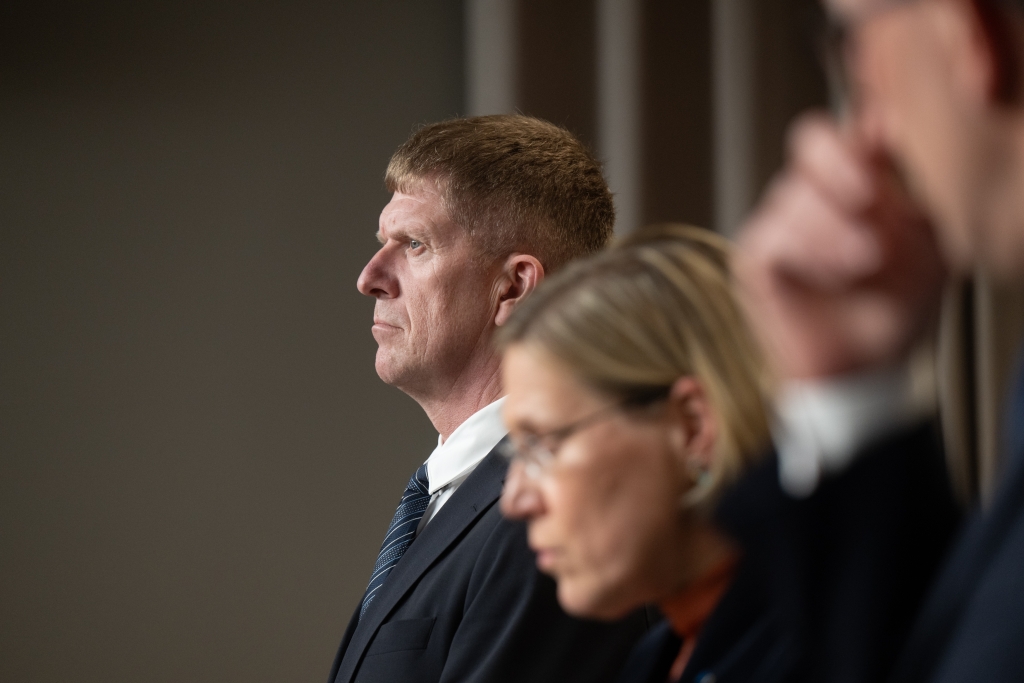
The new national defence development plan was discussed at the council meeting, focusing on its military aspects. The head of state described the discussions as substantive and confirmed that the authorities responsible for Estonia’s national defence have considered all potential scenarios. “That includes the bleakest and most complex ones,” she remarked. “They understand the risks that could play out, and have done everything in their power to mitigate them. Our discussions today reassured me that the approach they are taking is very thorough and very competent.”
The National Defence Council continues to meet on a monthly basis, and comes together as and when extraordinary circumstances arise. Its next regular meeting will focus on internal security.
Gallery (Raigo Pajula/Office of the President)