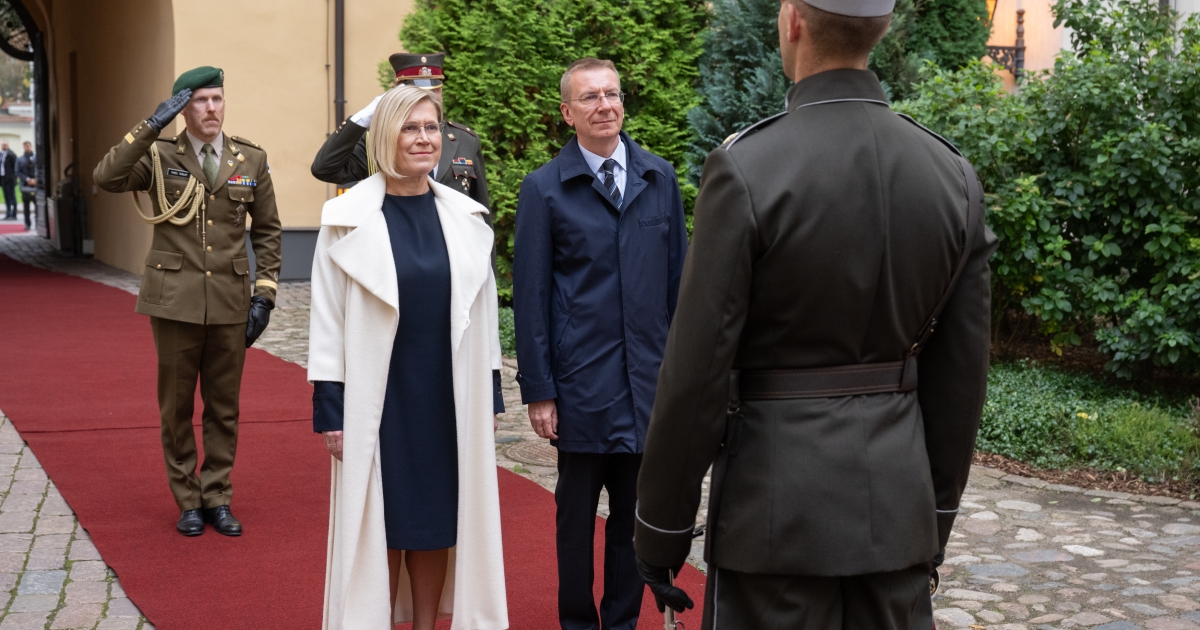
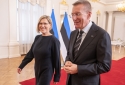
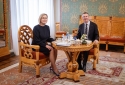
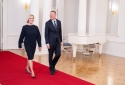
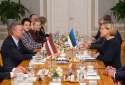
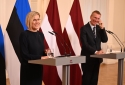
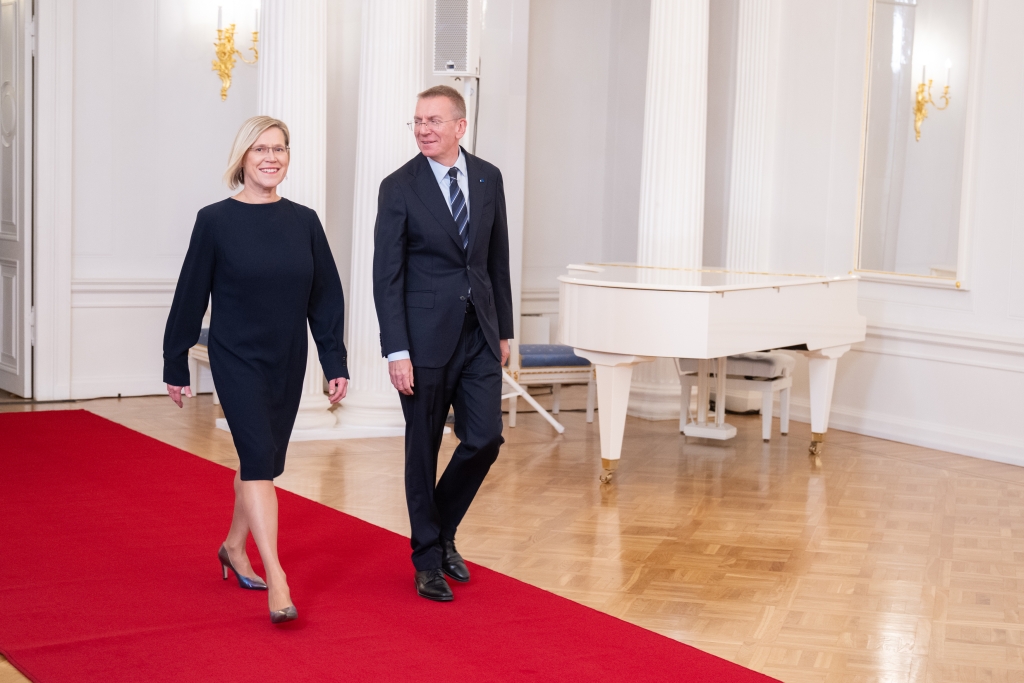
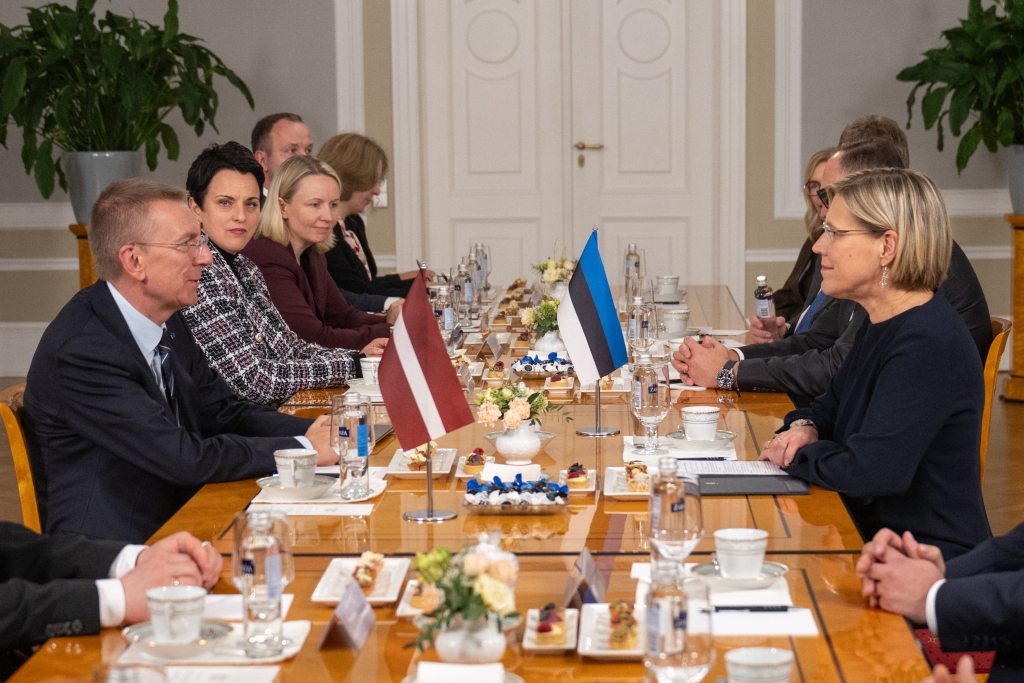
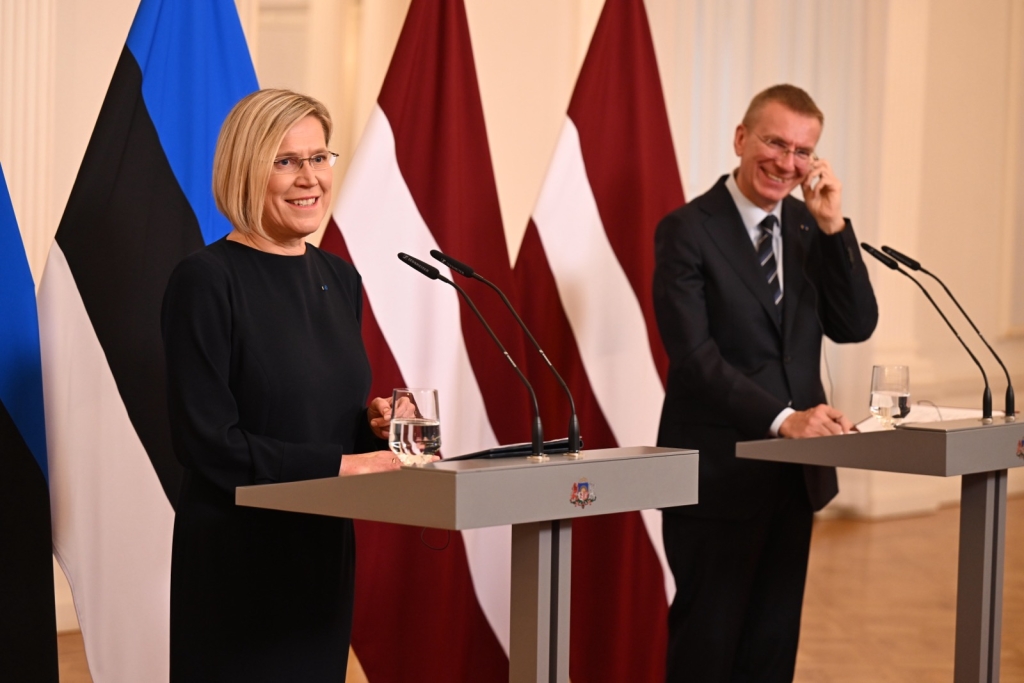
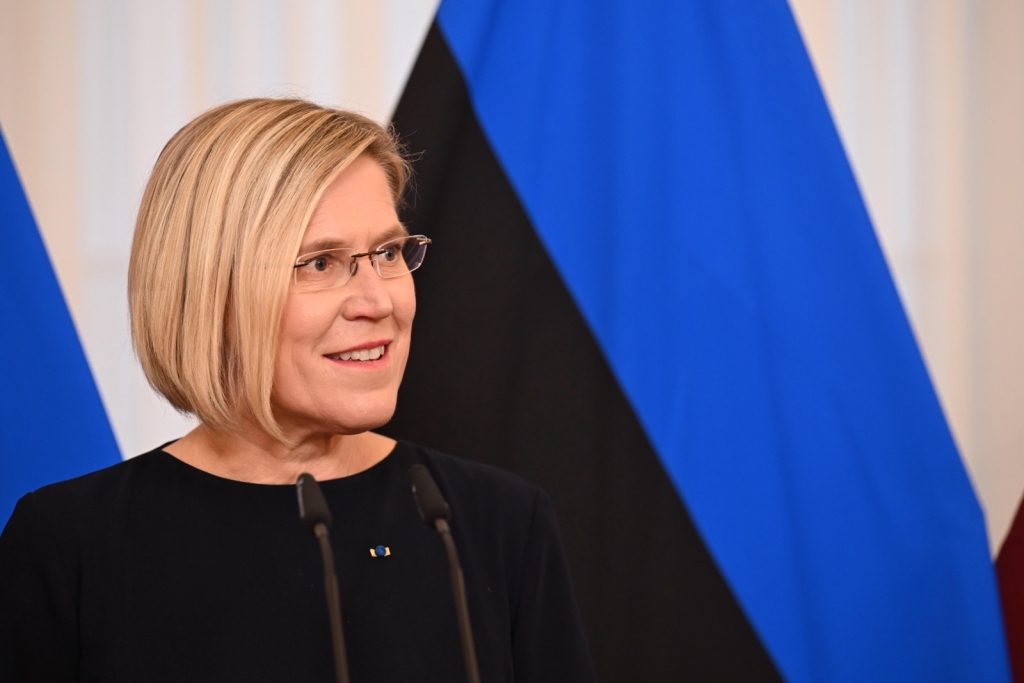
President Madise remarked that the security of Estonia and Latvia was based on the trust of their NATO allies, the two countries’ own growing defence capabilities, the resolve of their people to defend ourselves, and support for Ukraine. “The Ukrainians are fighting not just for their own freedom, but for the security of Europe as a whole, and for the preservation of the international legal order,” she said. “We all need a strong NATO, just as we need robust defence capabilities of our own. We need the United States as our partner within NATO, and, in the same way, we need our partners’ defence forces to be stationed in both Latvia and Estonia. This is of the utmost importance.”
The head of state added that in addition to trusted alliances, it is particularly important for modestly sized countries to uphold a world order rooted in international law. “As small democratic nations, both Estonia and Latvia must stand firm in their commitment to international law and respect for human rights,” she urged. “I don’t subscribe to claims that the rules-based world order no longer holds. It is the aim and indeed the duty of small, free, democratic societies to make it clear to the world that international law and respect for human rights are important to the majority of countries, and to every person in every country.”
President Madise acknowledged Latvia’s efforts in implementing the European Union’s new migration framework, as well as the practical cooperation between their two countries in combating irregular migration on the eastern border of the EU and NATO.
Transport and energy links between Estonia and Latvia also featured prominently at the meeting. The head of state underscored the importance of the completion of Rail Baltica for the people and economies of both countries, and the need to develop effective road, rail and air links. She also highlighted the importance of energy links, stating that the price of energy, as a key input for both countries’ economies, should be as competitive as possible. At the same time, she cautioned, care must be taken to protect existing critical infrastructure against potential attacks.
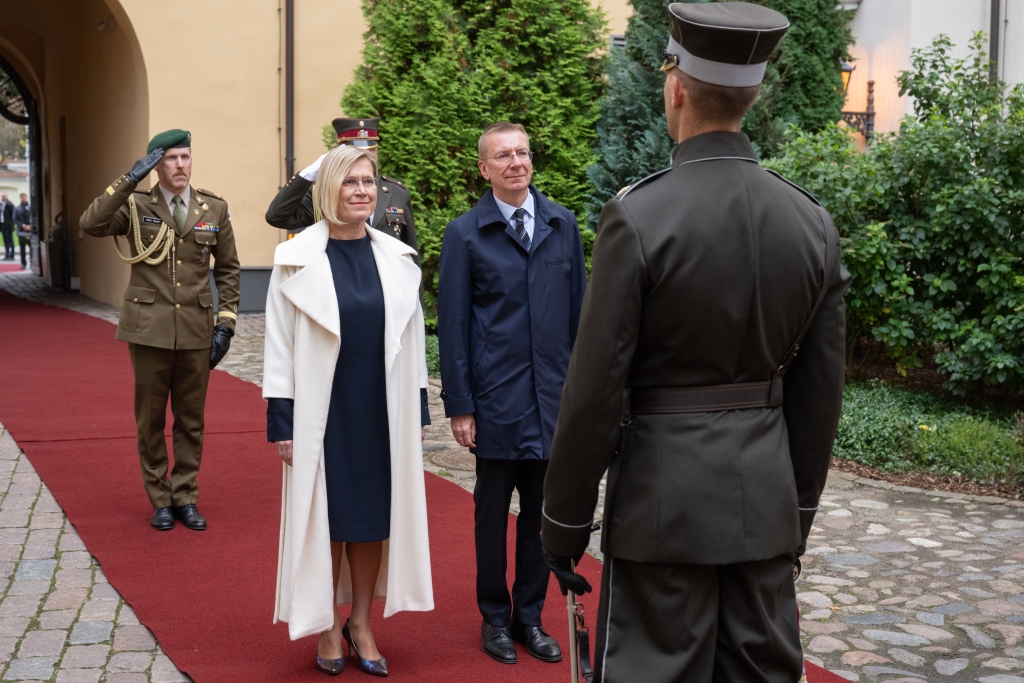
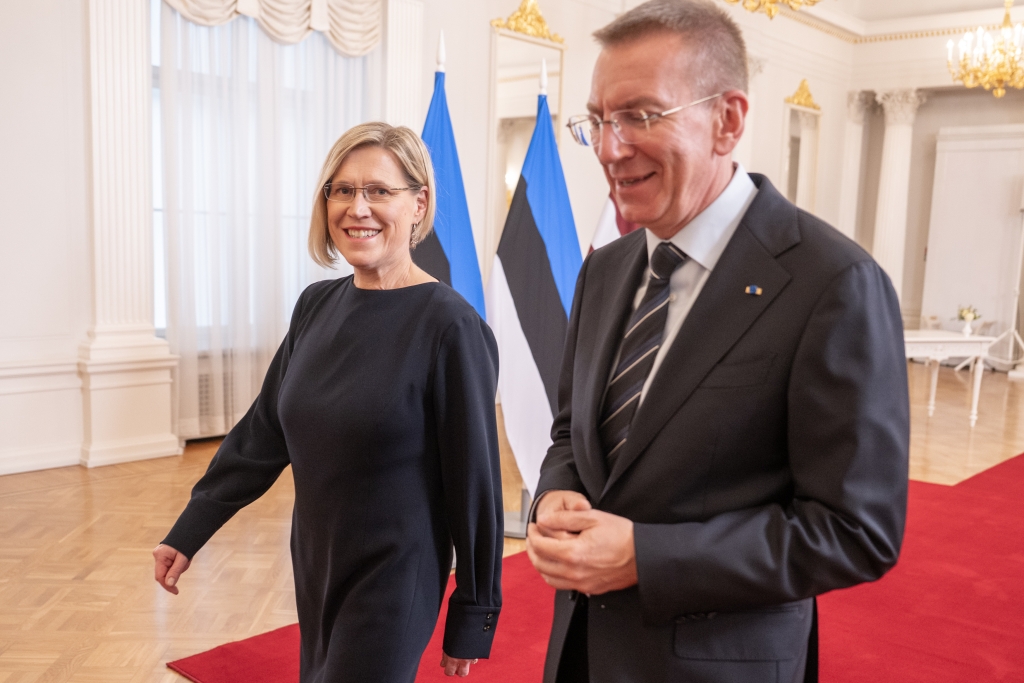
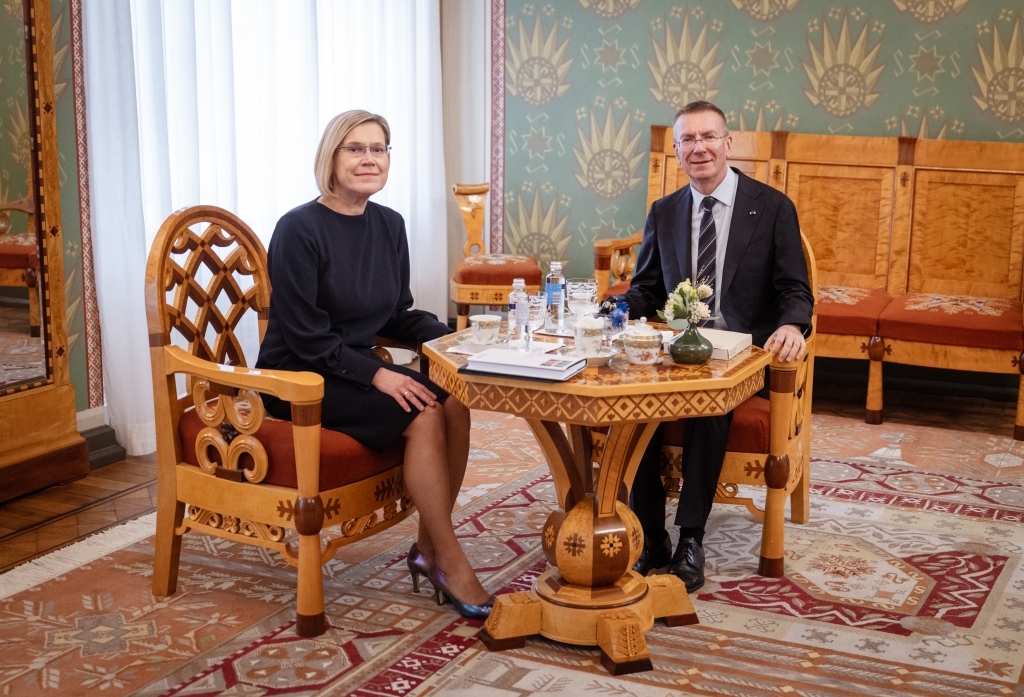
President Madise thanked her Latvian counterpart for welcoming her so warmly and for entering into their meeting in a spirit of trust and openness. “Latvia is, for me, my family and I dare say everyone in Estonia, a very important friend, partner and neighbour who truly understands our joys and sorrows and appreciates our history,” she said. “That sort of friendship, alliance and mutual understanding is not something we should take for granted.” She recalled that her first experience of anything international was the Baltic Way, which, even as a child, instilled in her a strong sense of the unity between Estonia, Latvia and Lithuania.
The head of state also touched on the linguistic and cultural ties between Estonia and Latvia. She spoke of a summer trip to Alūksne on which she visited the Ernst Glück Bible Museum, admired the narrow-gauge railway and took a particular interest in the Livonian language, which is closely related to Estonian. She said that preserving small languages and cultures is important in an era of rapid developments in artificial intelligence, stressing the need to ensure that Estonian, Latvian and the languages and cultures of other small nations are well represented in AI models.
While in Riga, President Madise also met with Speaker of the Saeima Daiga Mieriņa and Prime Minister Andris Kulbergs. Tomorrow, the head of state will be travelling to Helsinki to meet with her Finnish counterpart Alexander Stubb.
Gallery (Raigo Pajula/Office of the President)