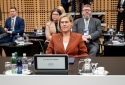
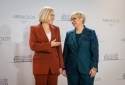
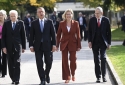
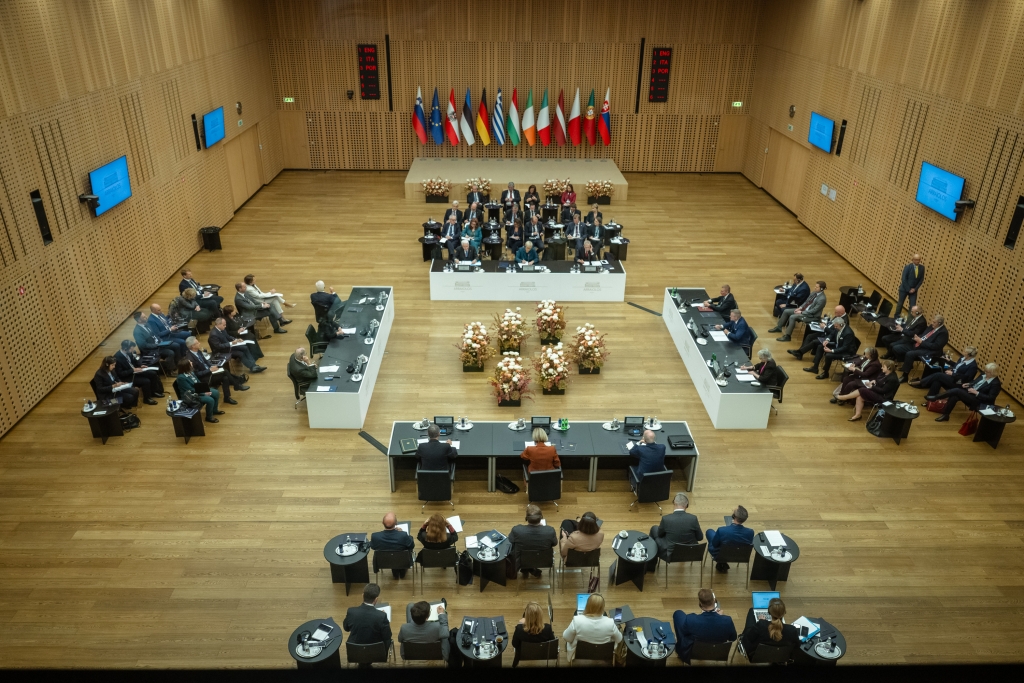
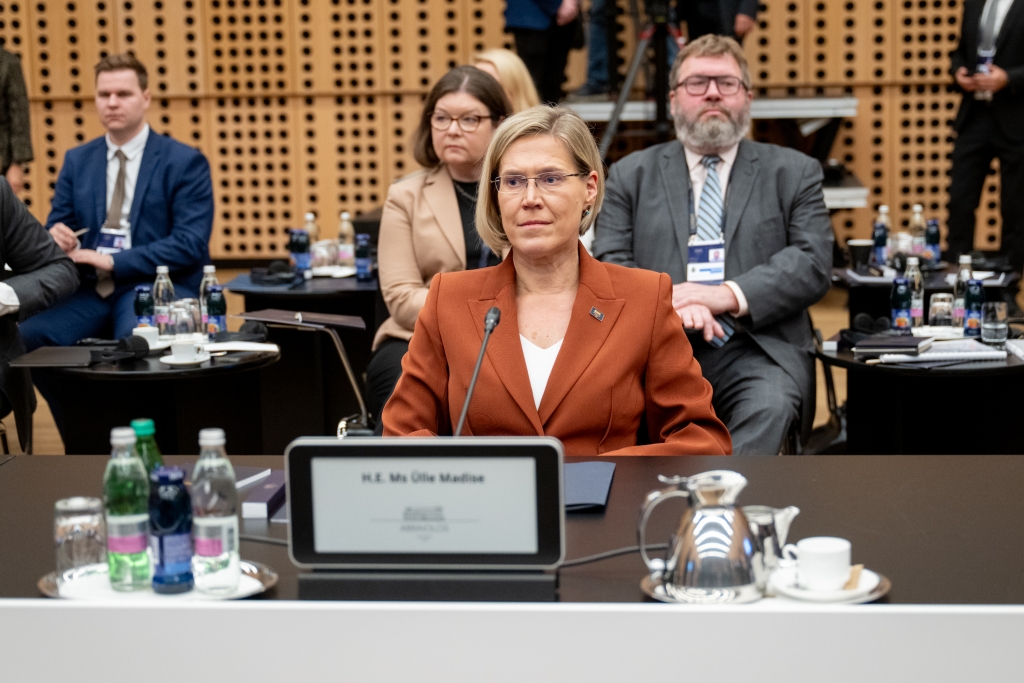
The head of state said that wars and conflicts not only affect Europe’s security, but also its economy, politics and society. “As before, Estonia supports the principle that all issues touching on Europe’s future and security must be discussed with European participation,” she remarked. “We have boosted defence spending in Europe in order to play a greater role in our own defence. In the spirit of solidarity, all countries must contribute to this. It is a matter of urgency that our defence spending translates into actual capabilities.”
President Madise added that Europe’s security depends on the outcome of the war in Ukraine. “Our future will be decided by how the war ends, since it will shape Europe’s security for decades to come,” she noted. “We must continue to support the Ukrainians over winter and to step up pressure on Russia through sanctions, isolation and holding it to account.”
The head of state reiterated Estonia’s backing for Ukrainian membership of the EU and NATO. “Russia must not have the right to veto the sovereign choices that Ukraine makes,” she urged.
President Madise also spoke about hybrid attacks, which are often orchestrated by Russia in order to undermine collective support for Ukraine and deepen divisions within Europe. “Our response must be the exact opposite,” she said: “we must remain calm but resolute, making it clear that such actions only reinforce our support for the Ukrainians.”
The head of state underscored the need to strengthen the UN and reform its Security Council. “Although the criticism levelled at it is justified, there is no alternative to the United Nations, particularly for small countries like Estonia,” she noted. “We must continue to work together to safeguard sovereignty and territorial integrity as fundamental principles of the international order. Compliance with international law and respect for human rights are in the interests of the majority of countries, and of every person in every country.” Estonia also backs measures to prevent the abuse of the right of veto and advocates a greater role for the General Assembly in safeguarding international peace and security.
President Madise says that in adapting to wars and crises, we must remain true to our principles. “The longer this situation goes on, the more we are growing used to it,” she cautioned. “A new normal is emerging in which things that were previously considered taboo are starting to be taken for granted.” She added that the fear and anxiety generated by conflicts and the threat of war are all too often exploited to achieve short-term political goals.
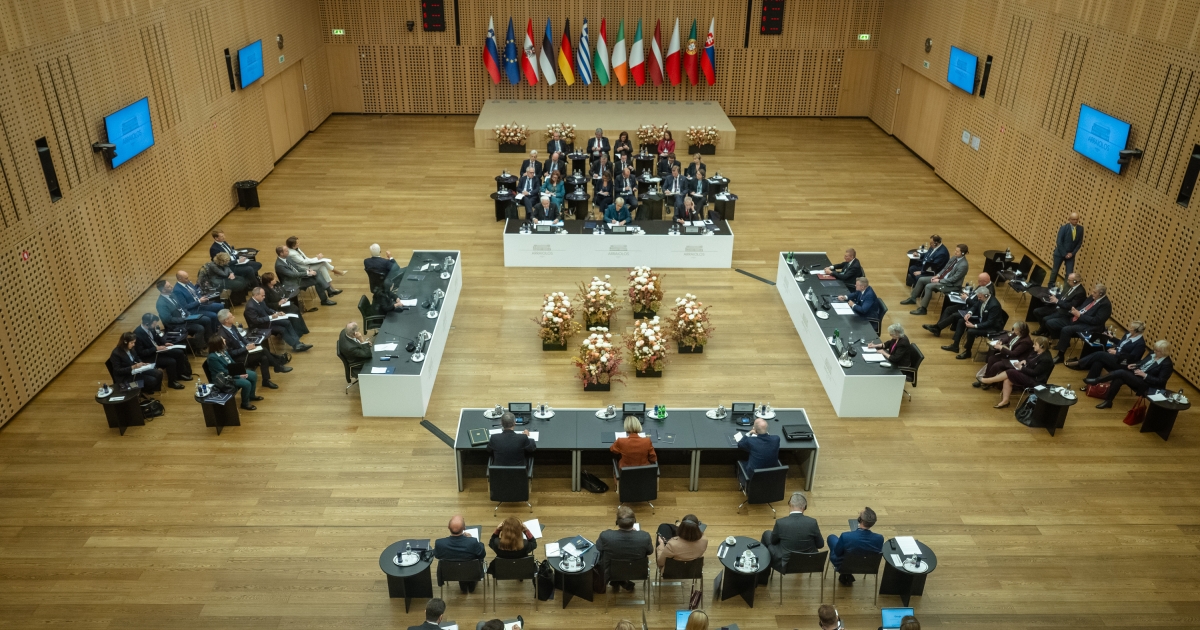
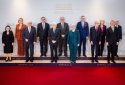
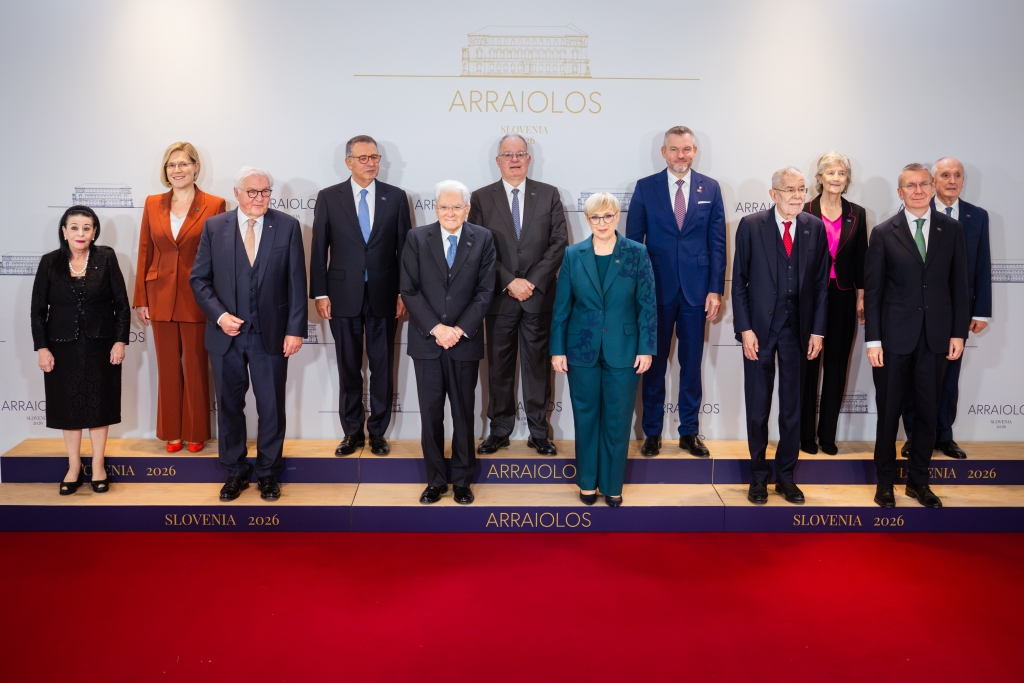
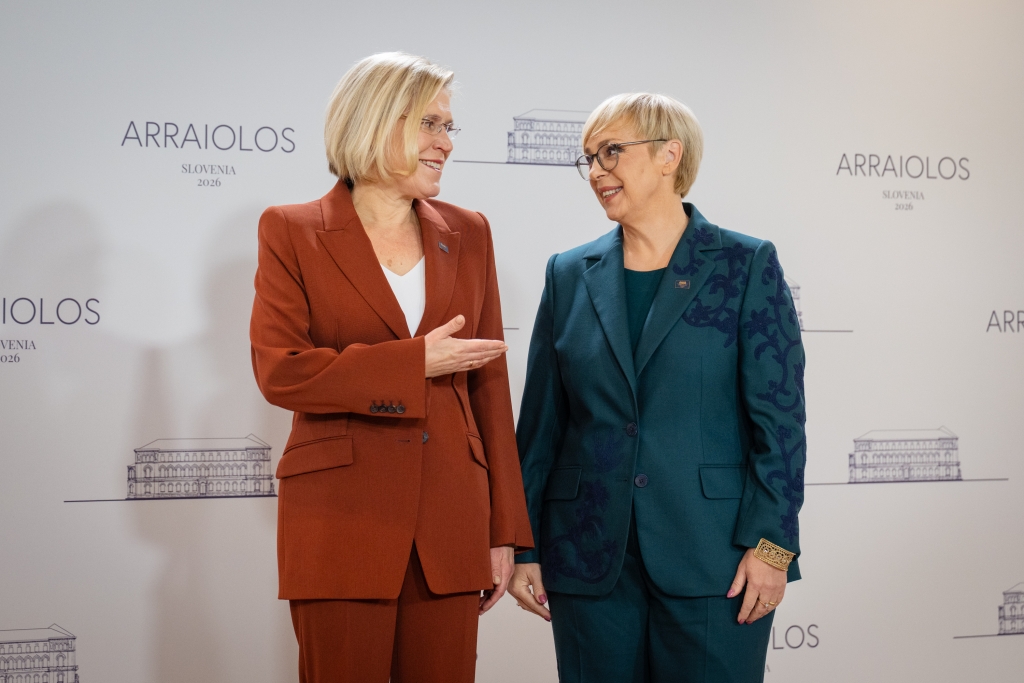
The Arraiolos Group began holding meetings in 2003 on the initiative of President Jorge Sampaio of Portugal. Slovenia is hosting the meeting for the first time. In addition to Estonia, the Arraiolos group includes Austria, Bulgaria, Croatia, Finland, Germany, Greece, Hungary, Ireland, Italy, Latvia, Malta, Poland, Portugal, Slovakia and Slovenia.
Gallery (Office of the President/Raigo Pajula)