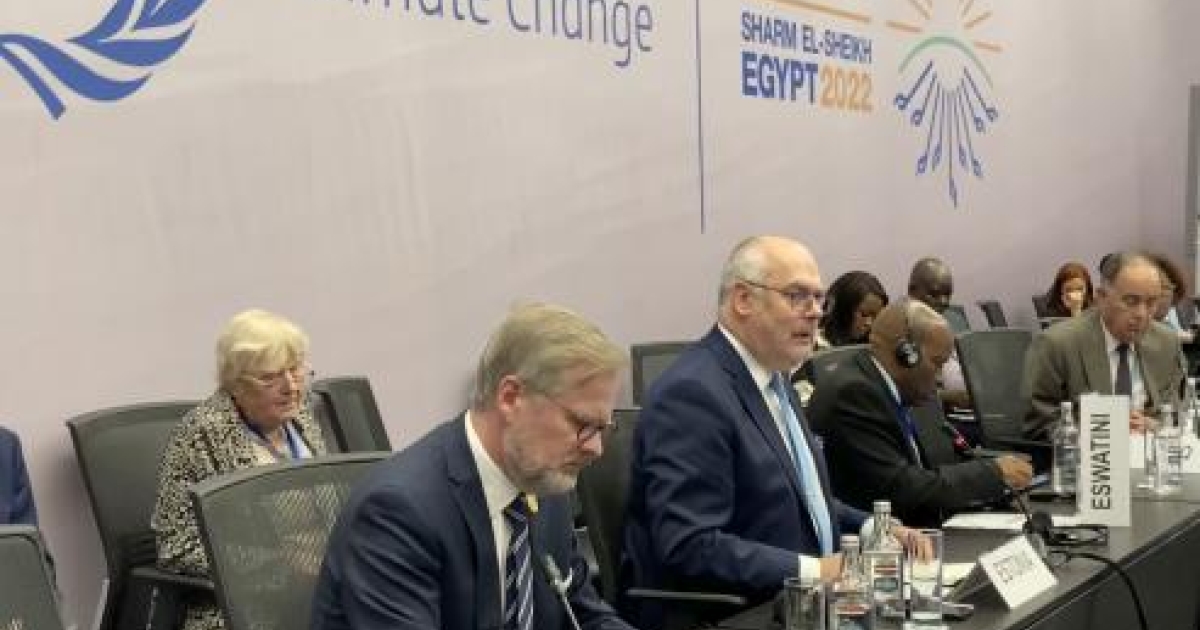
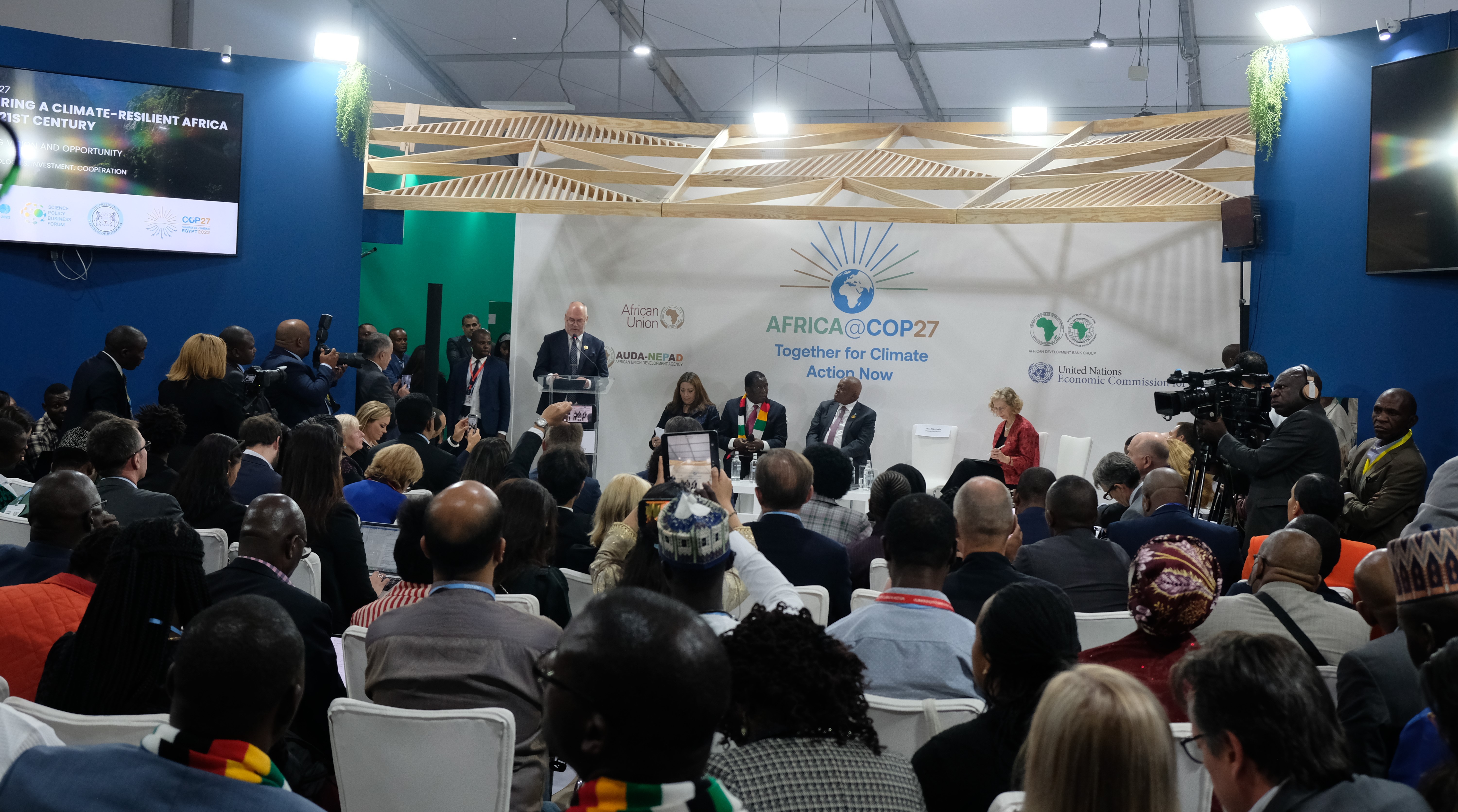
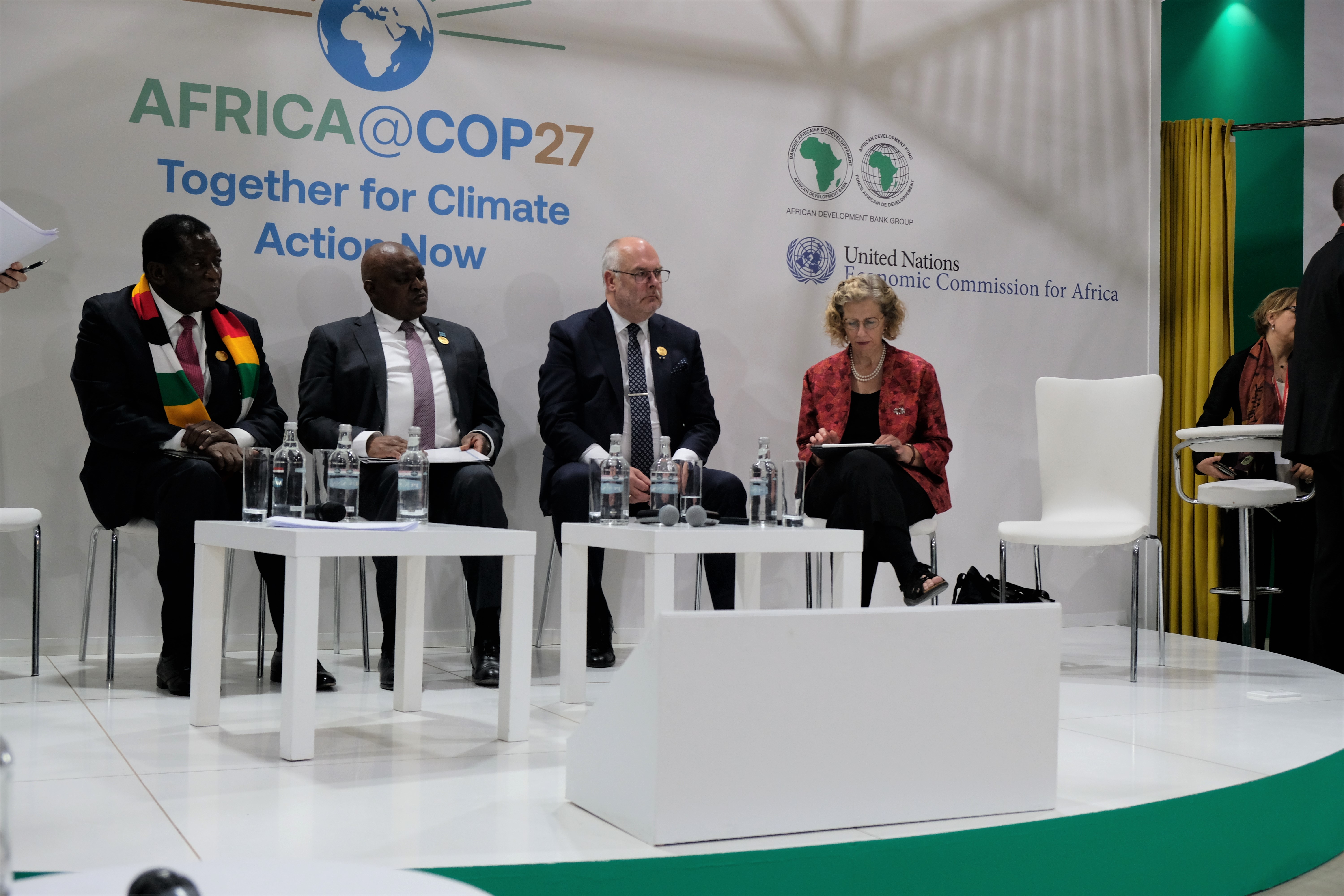
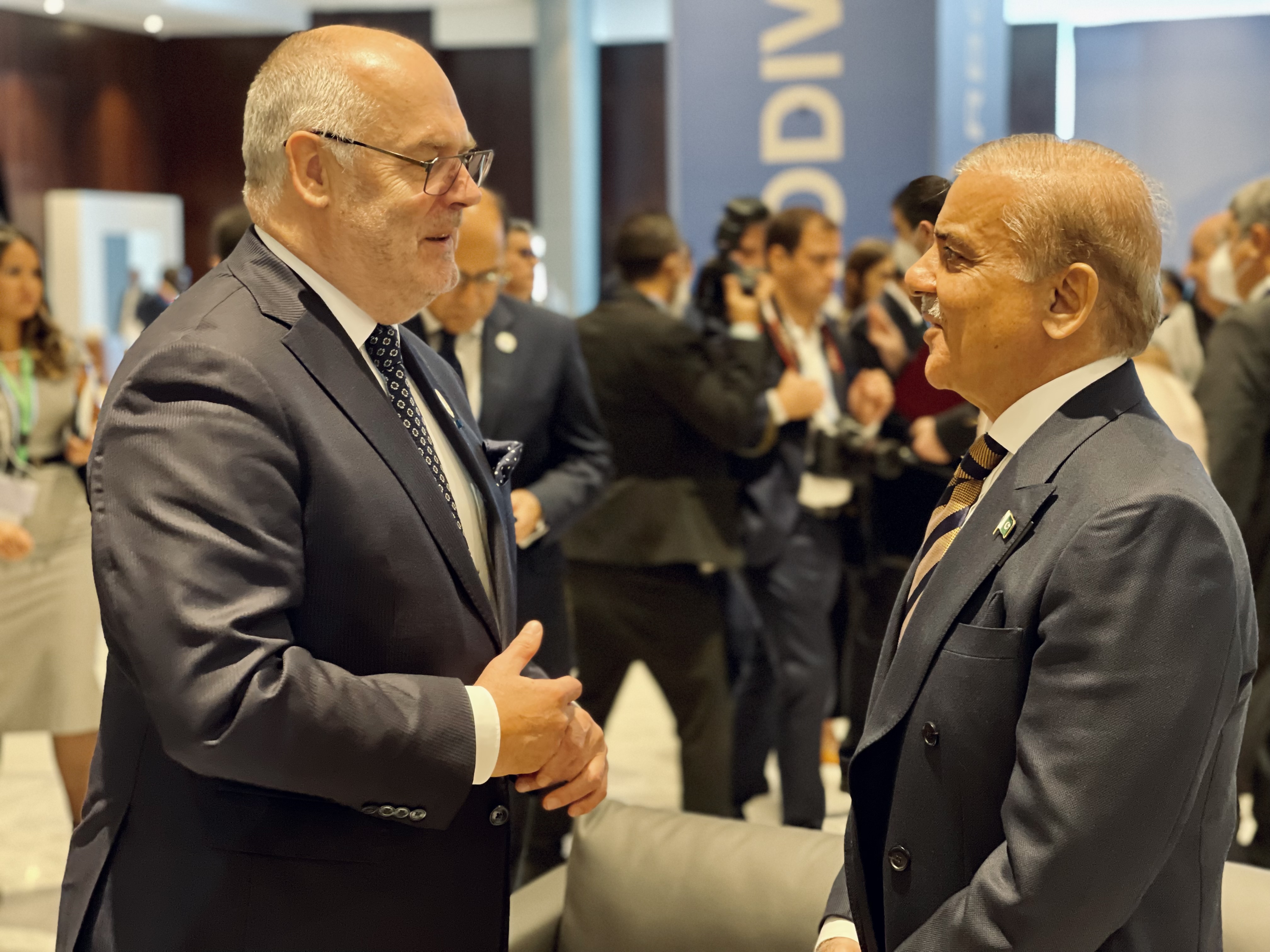
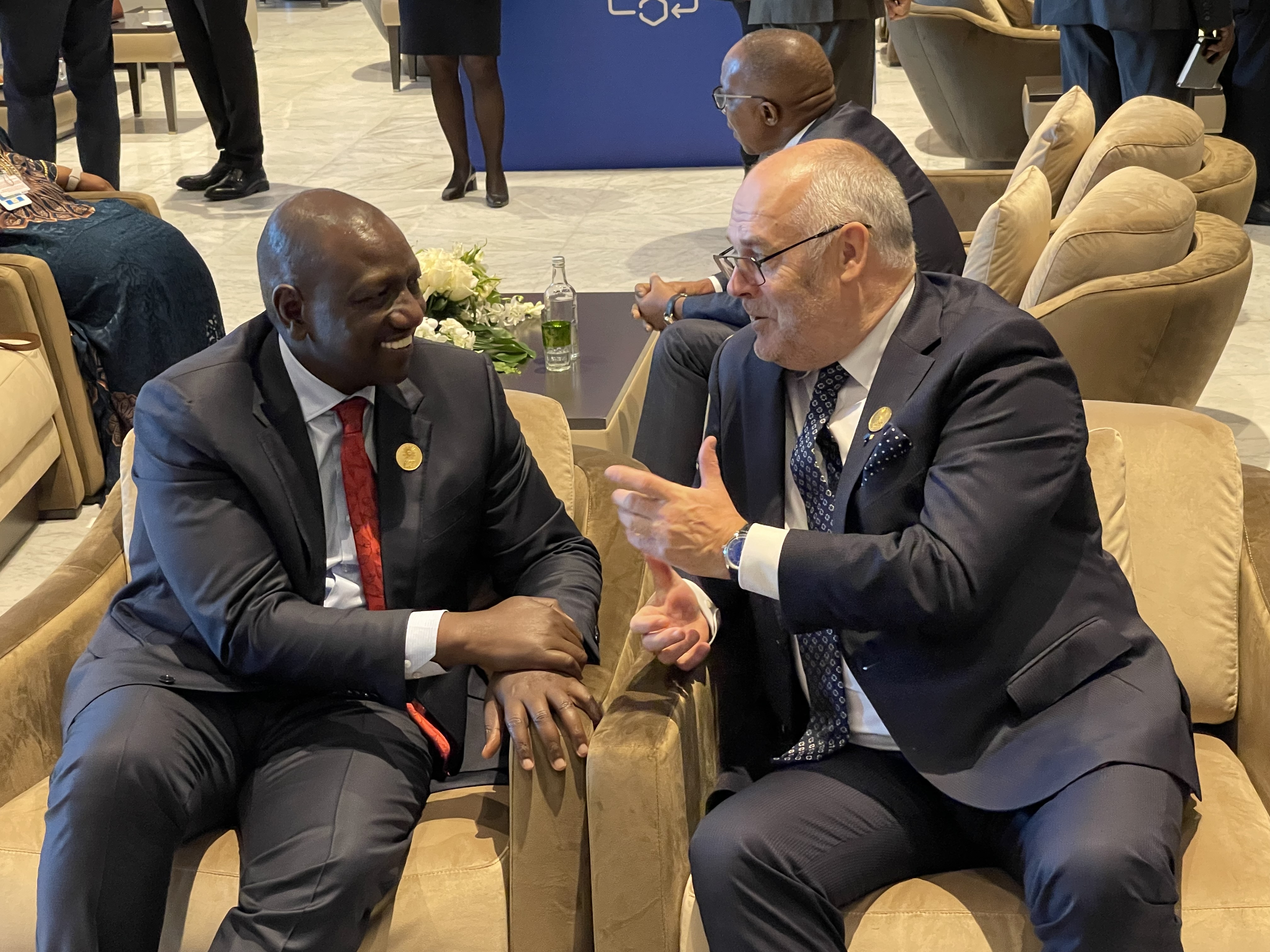
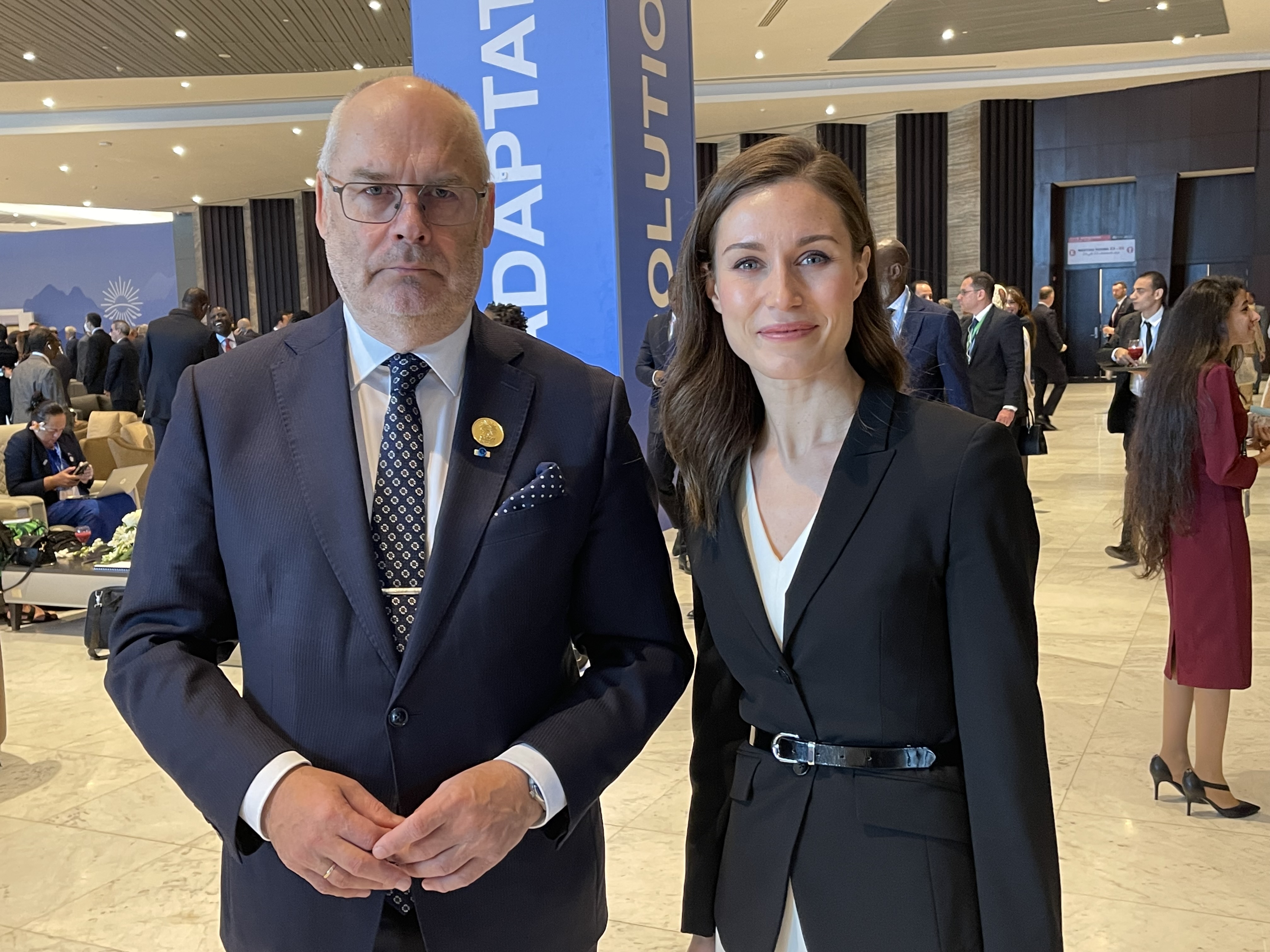
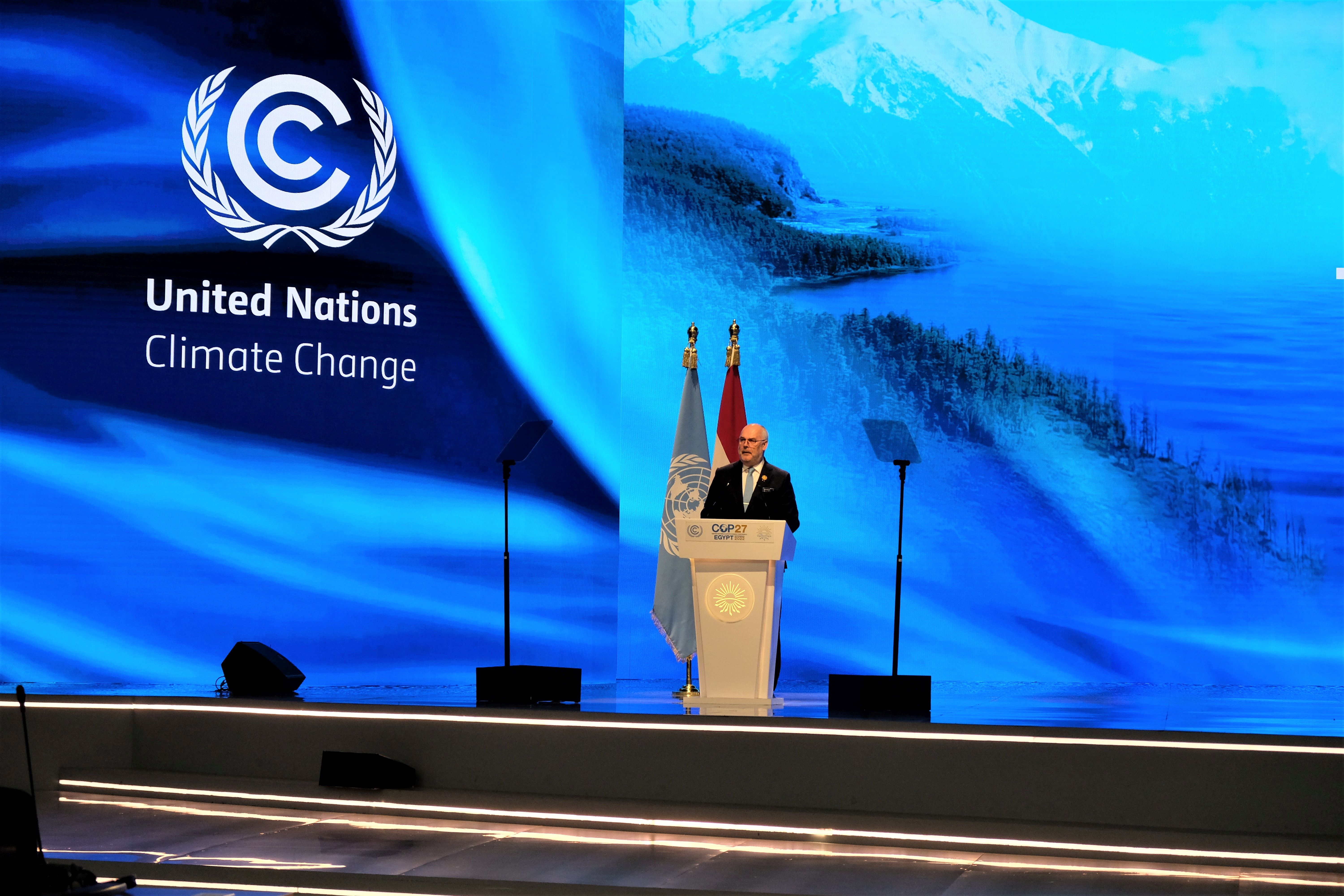
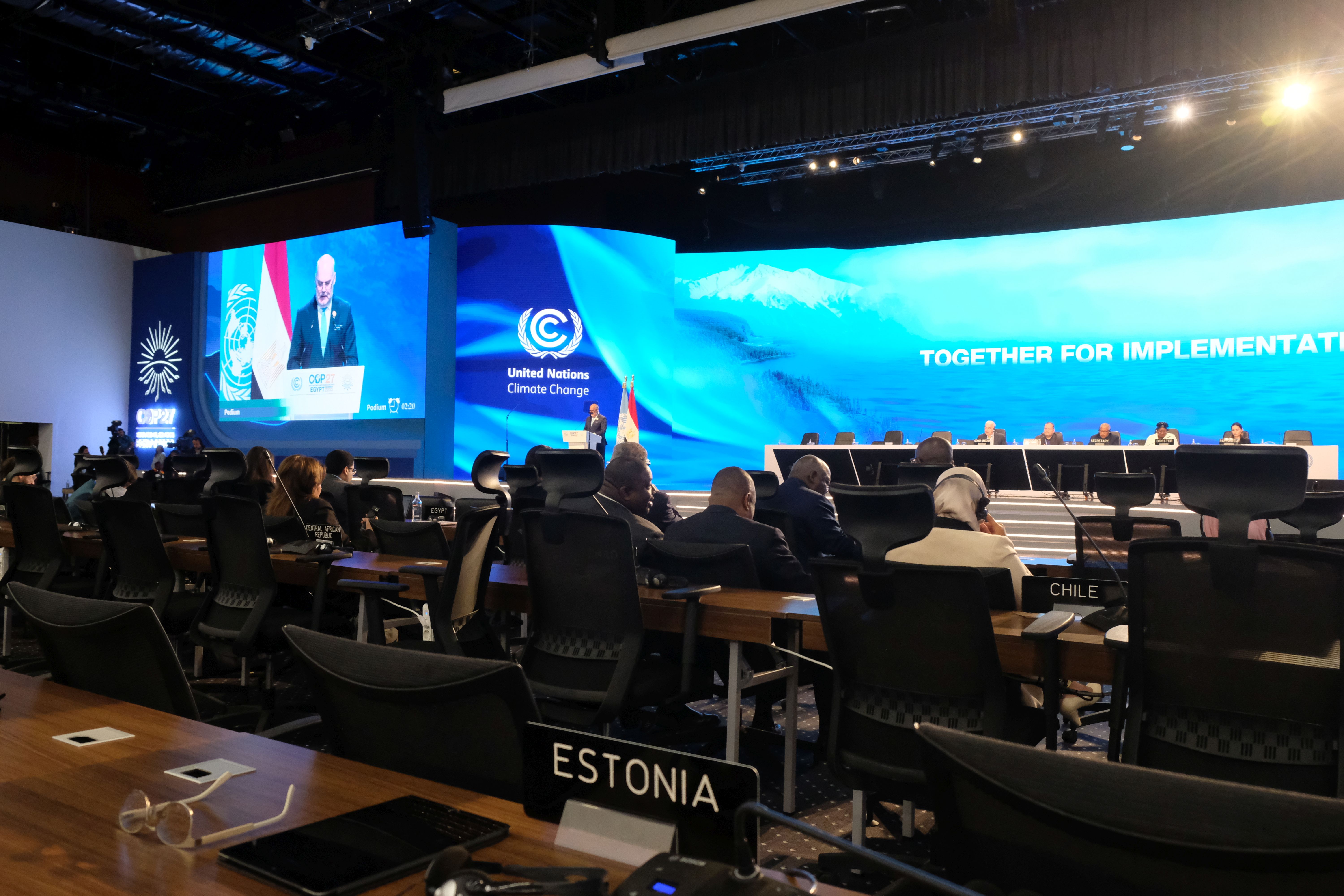
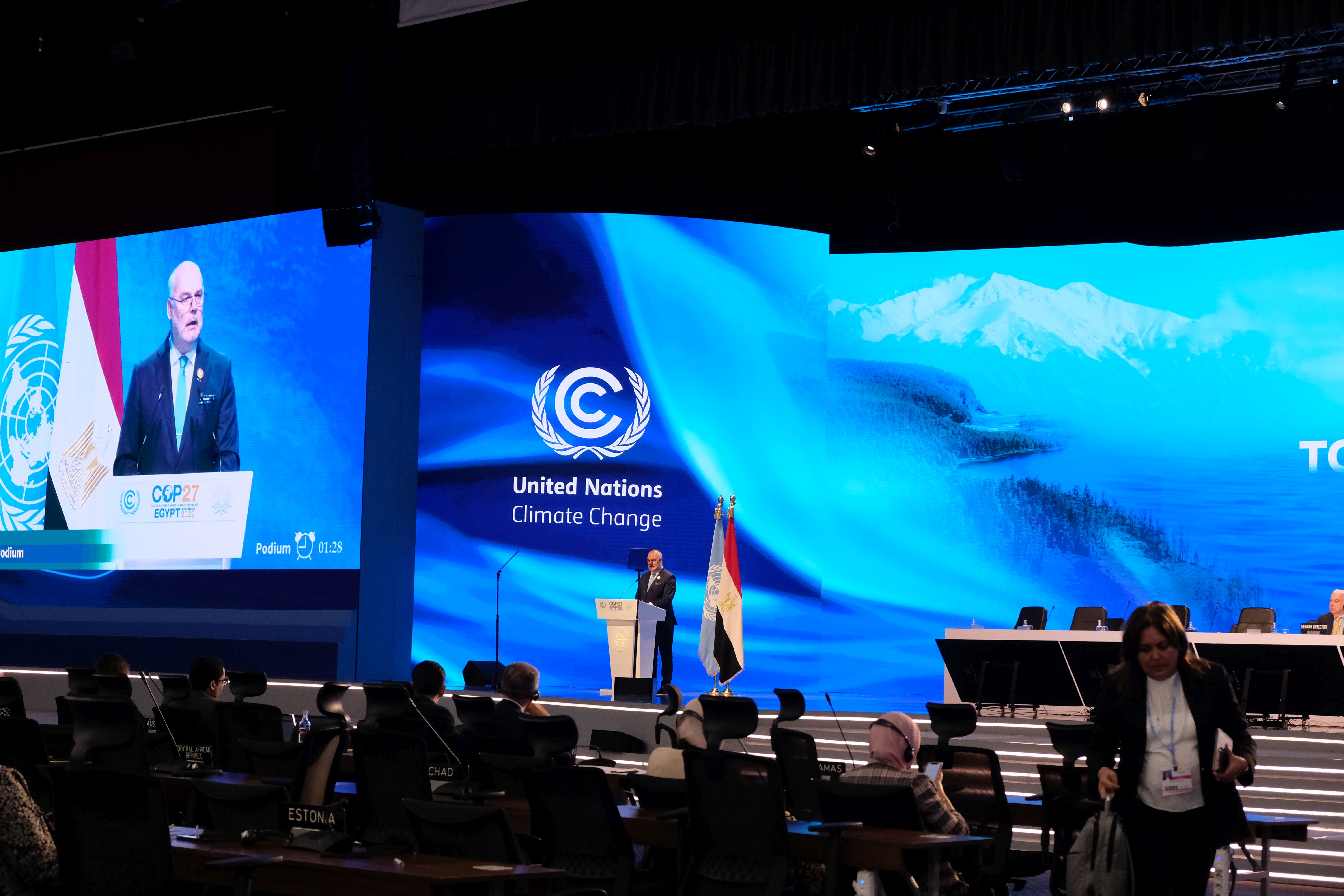
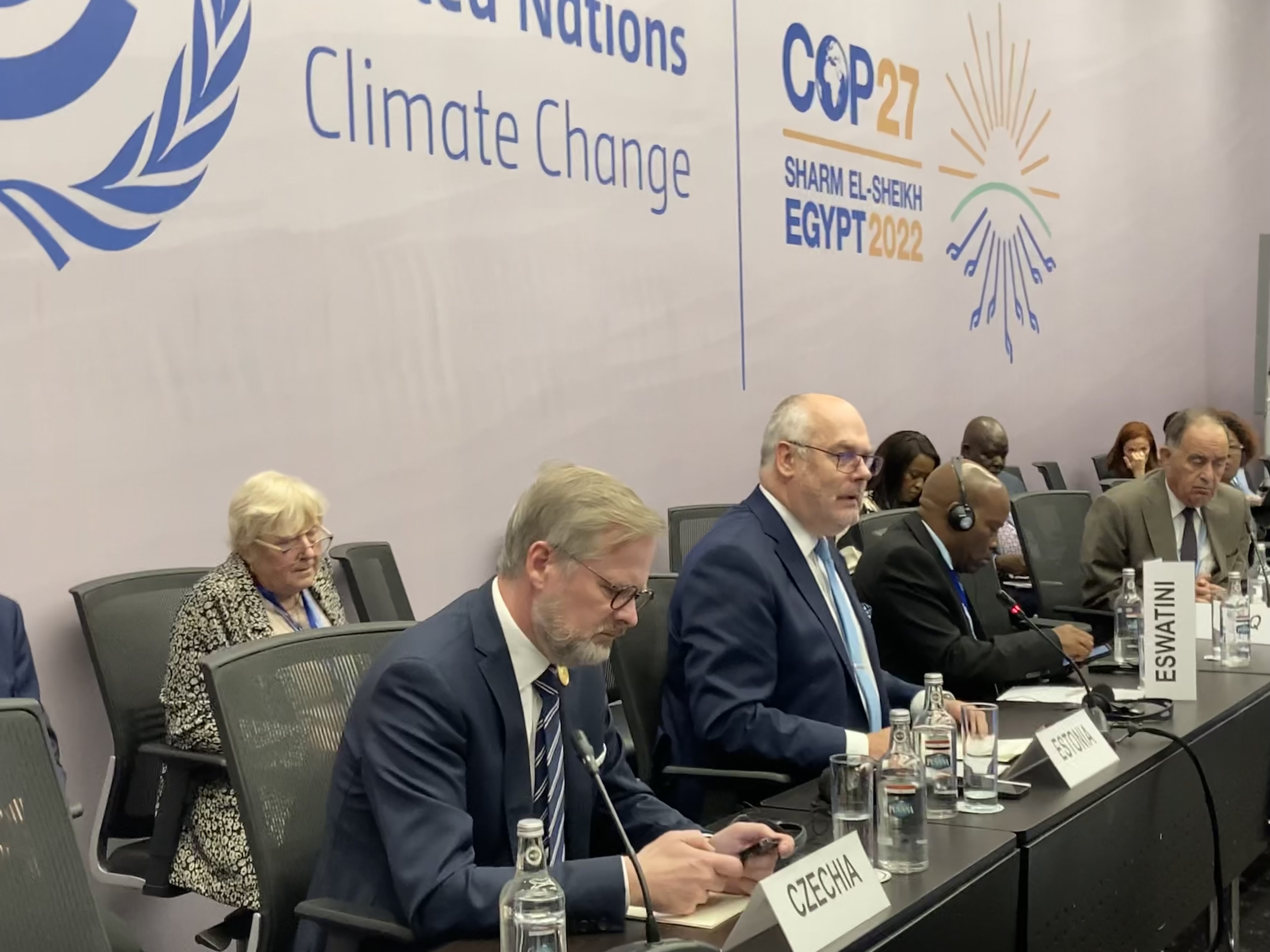
The head of state said that the health and livelihoods of billions of people depend on access to water. “We know that climate change is making an already difficult situation even more complicated,” he remarked. “If the current situation continues, there will be a 40% shortfall in the amount of water that is needed by 2030. That will inevitably lead to conflicts over access to water.”
President Karis noted that since 60% of the world’s surface water supplies are shared by two or more countries, cross-border sharing of water is of growing importance. “In such a situation it is vital that we have a legal framework enabling countries that share bodies of water to work together, share their supplies and adapt to climate change,” he said.
As an example, the head of state pointed out that the Water Convention recently played a part in agreements being entered into regarding the Senegalo-Mauritanian aquifer basin, the Chu and Talas river basin between Kazakhstan and Kyrgyzstan and the Dniester river basin, which is shared by Moldova and Ukraine.
President Karis called on all UN Member States sharing bodies of water with their neighbours to sign up to the Water Convention, which includes an international network of river basins providing an opportunity for the exchange of experience in coping with climate change. As part of the convention, support is also offered to countries for the development of independent or coordinated monitoring and data-sharing.