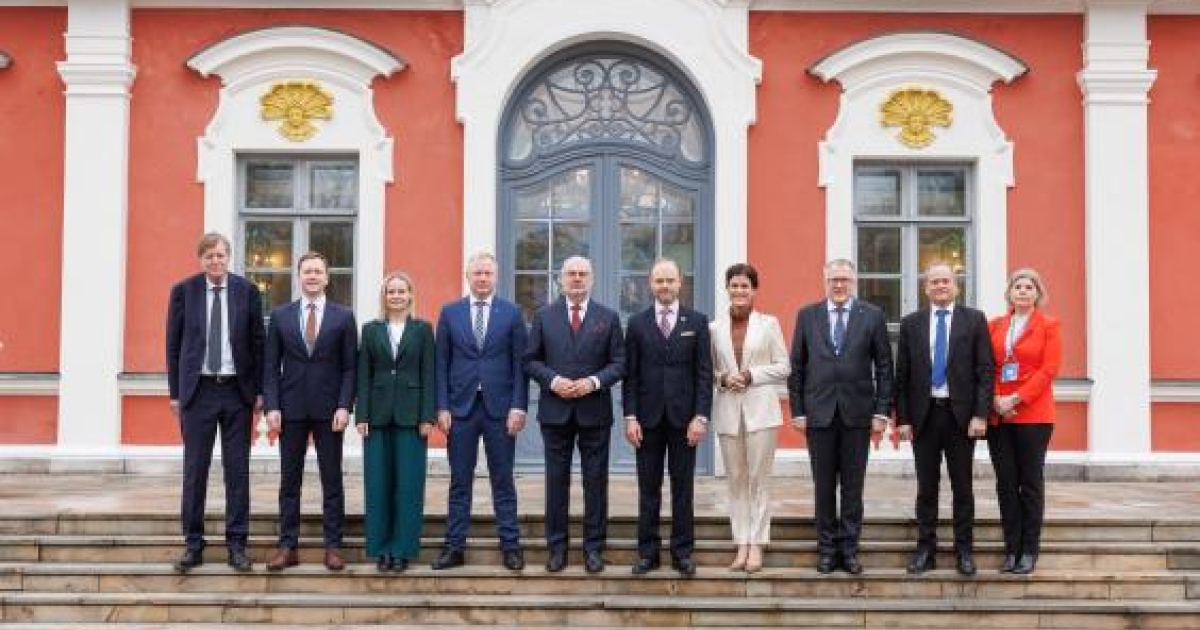
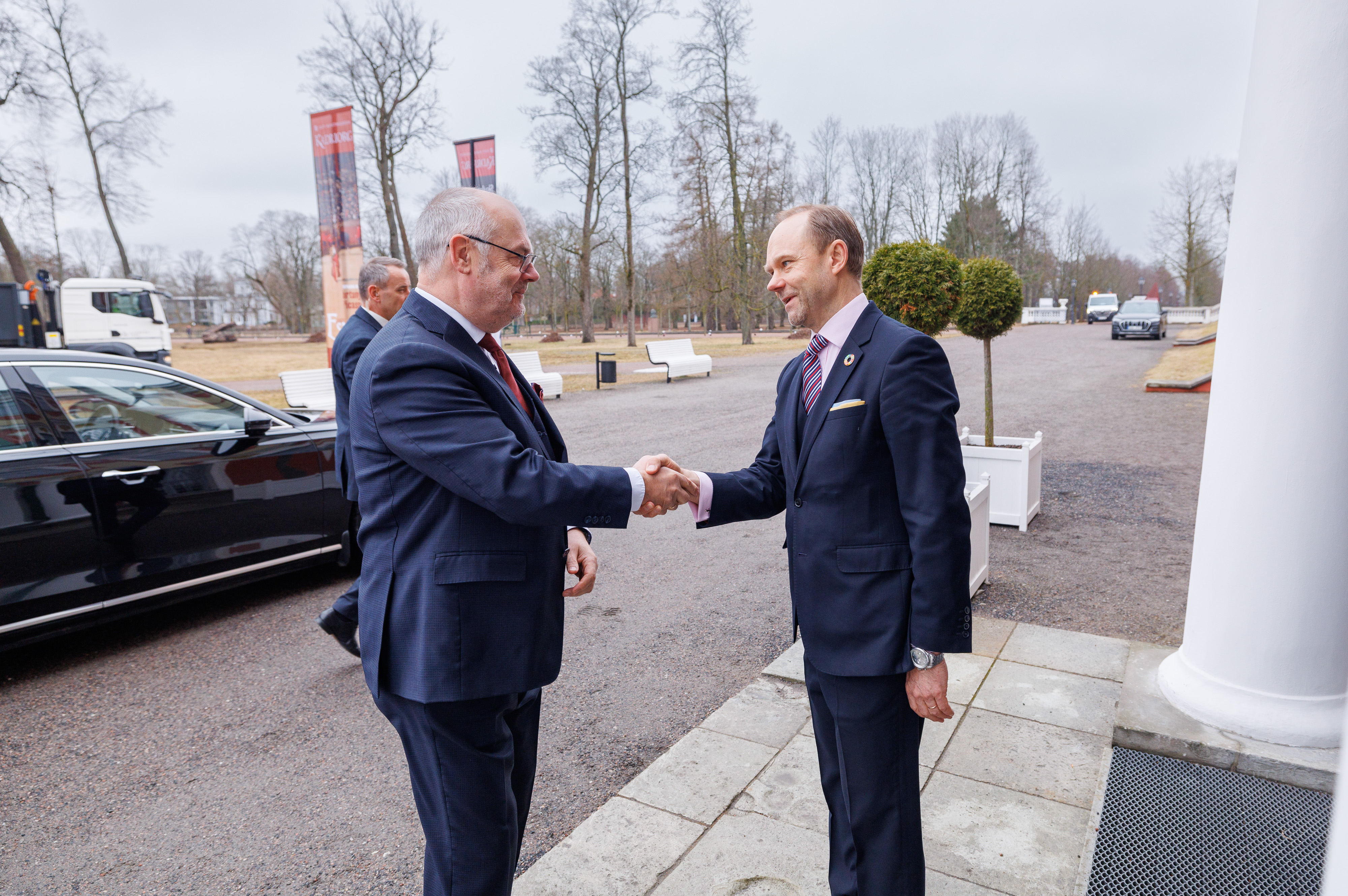
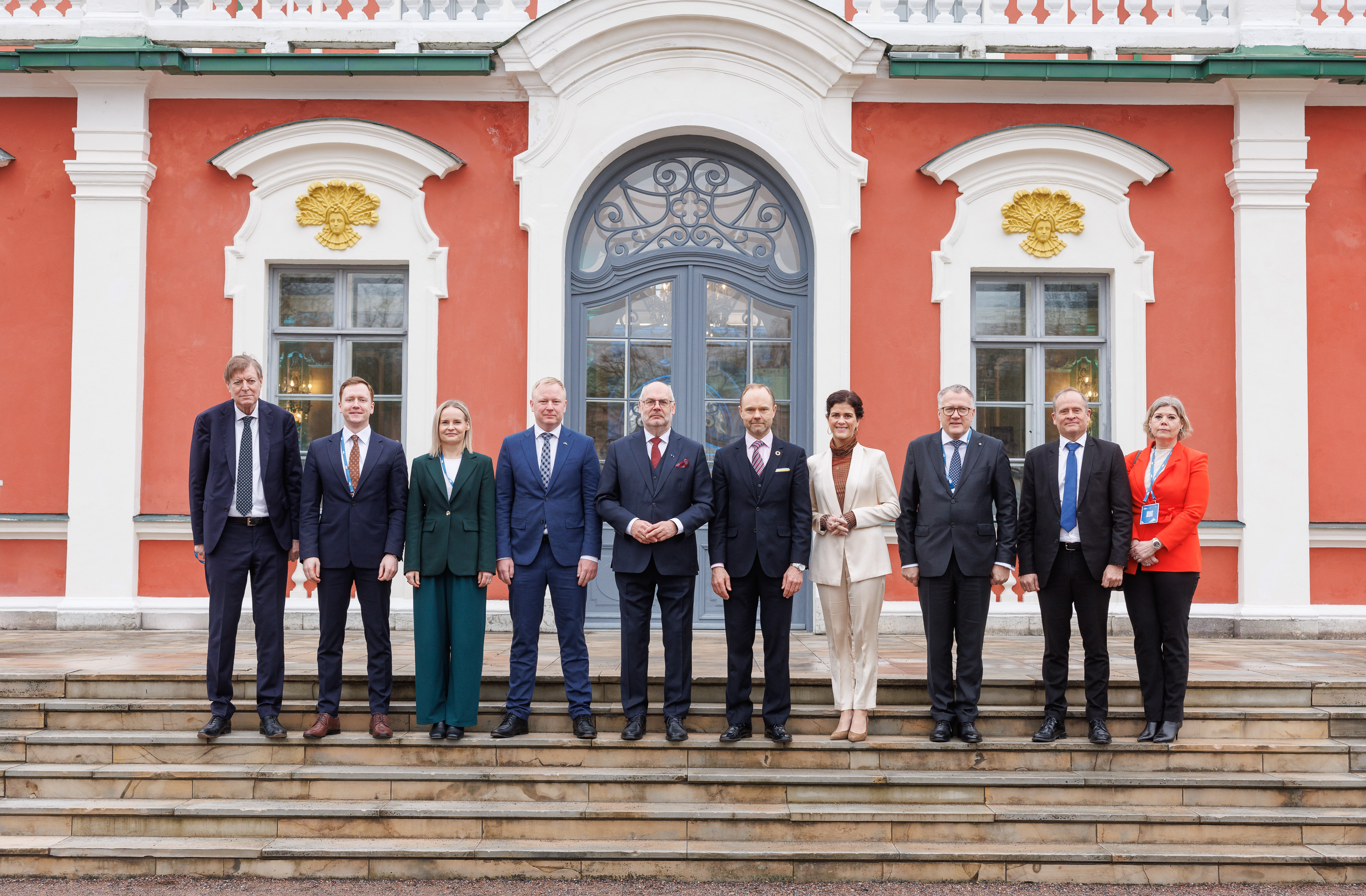
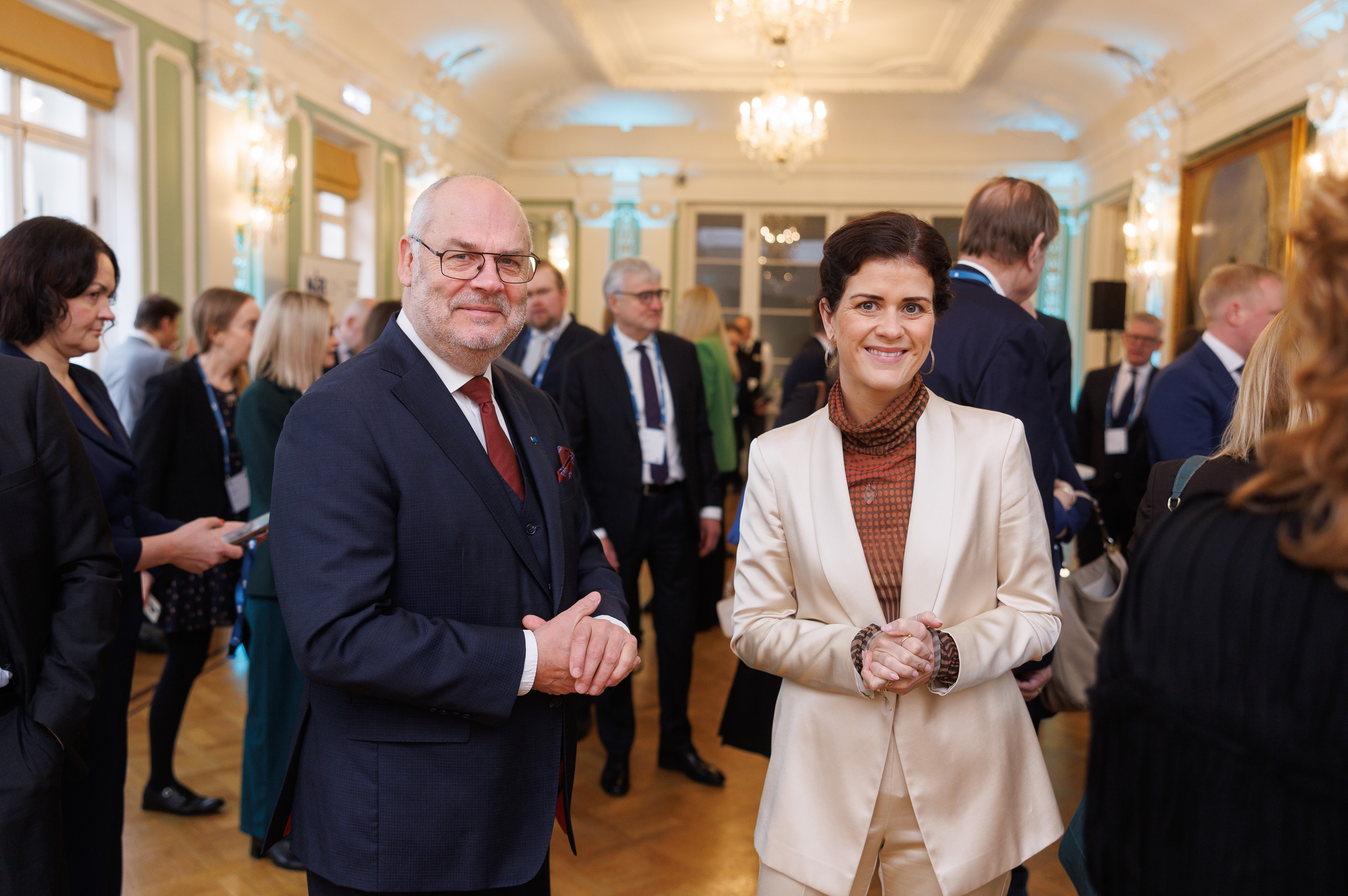
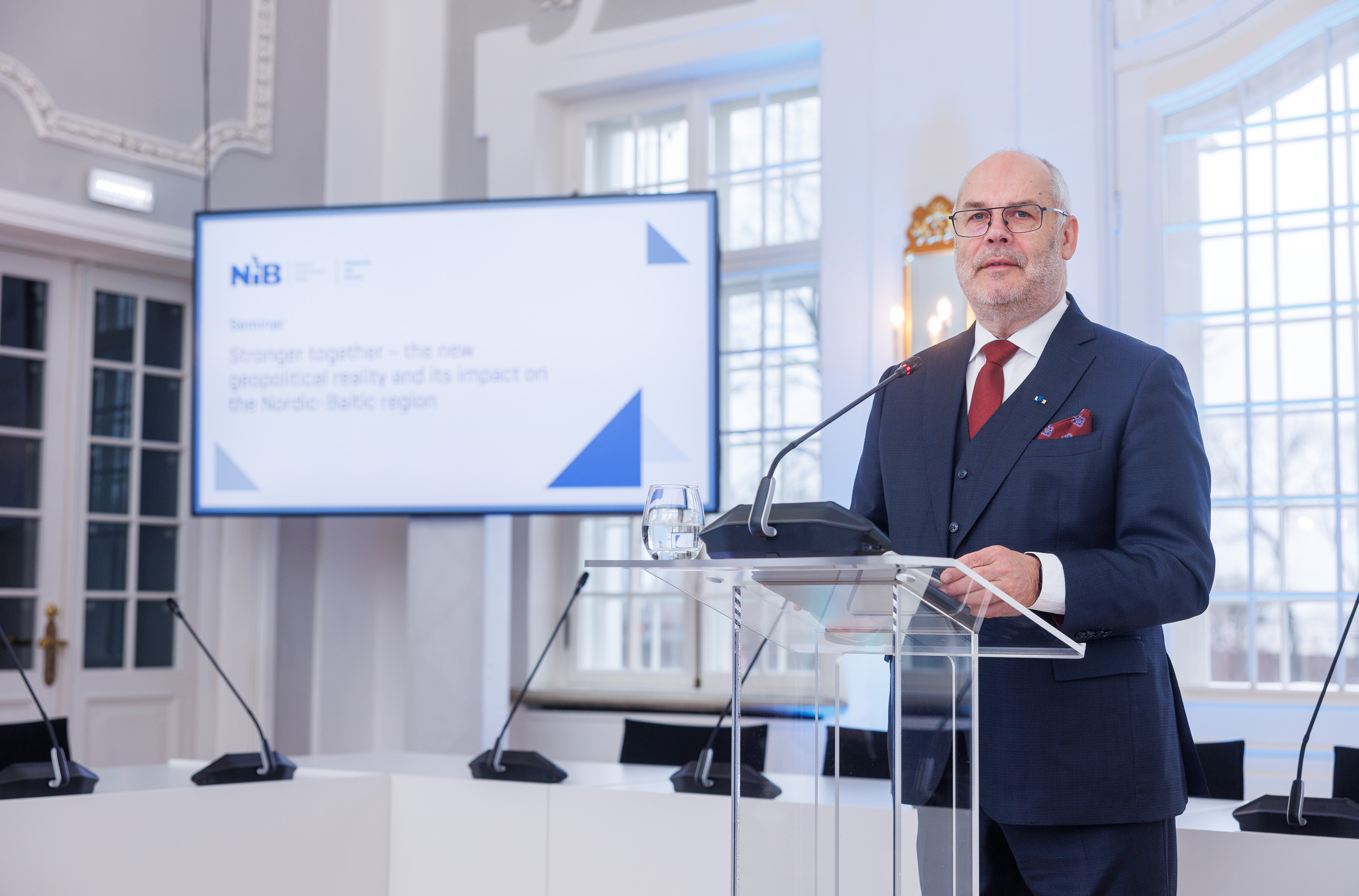
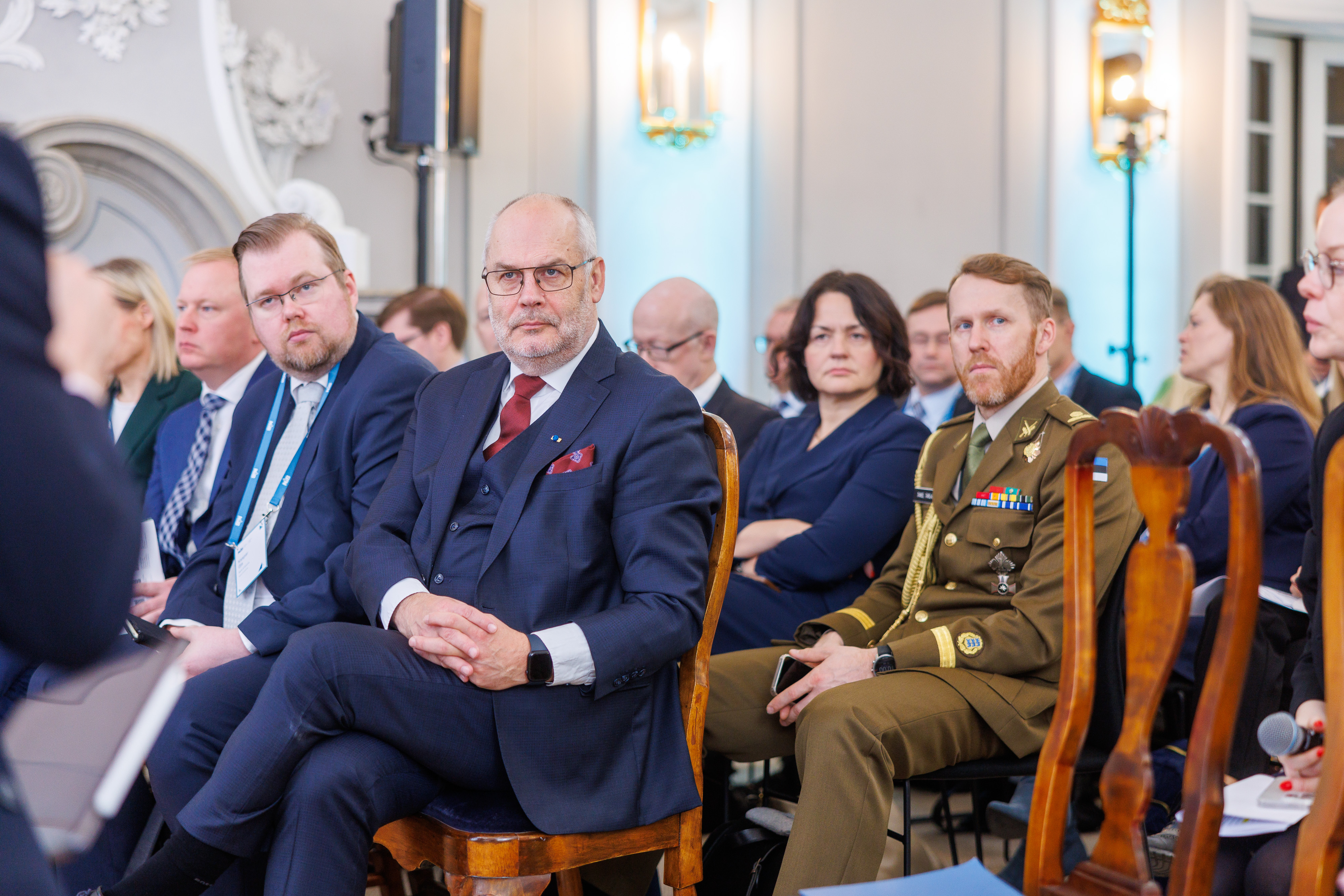
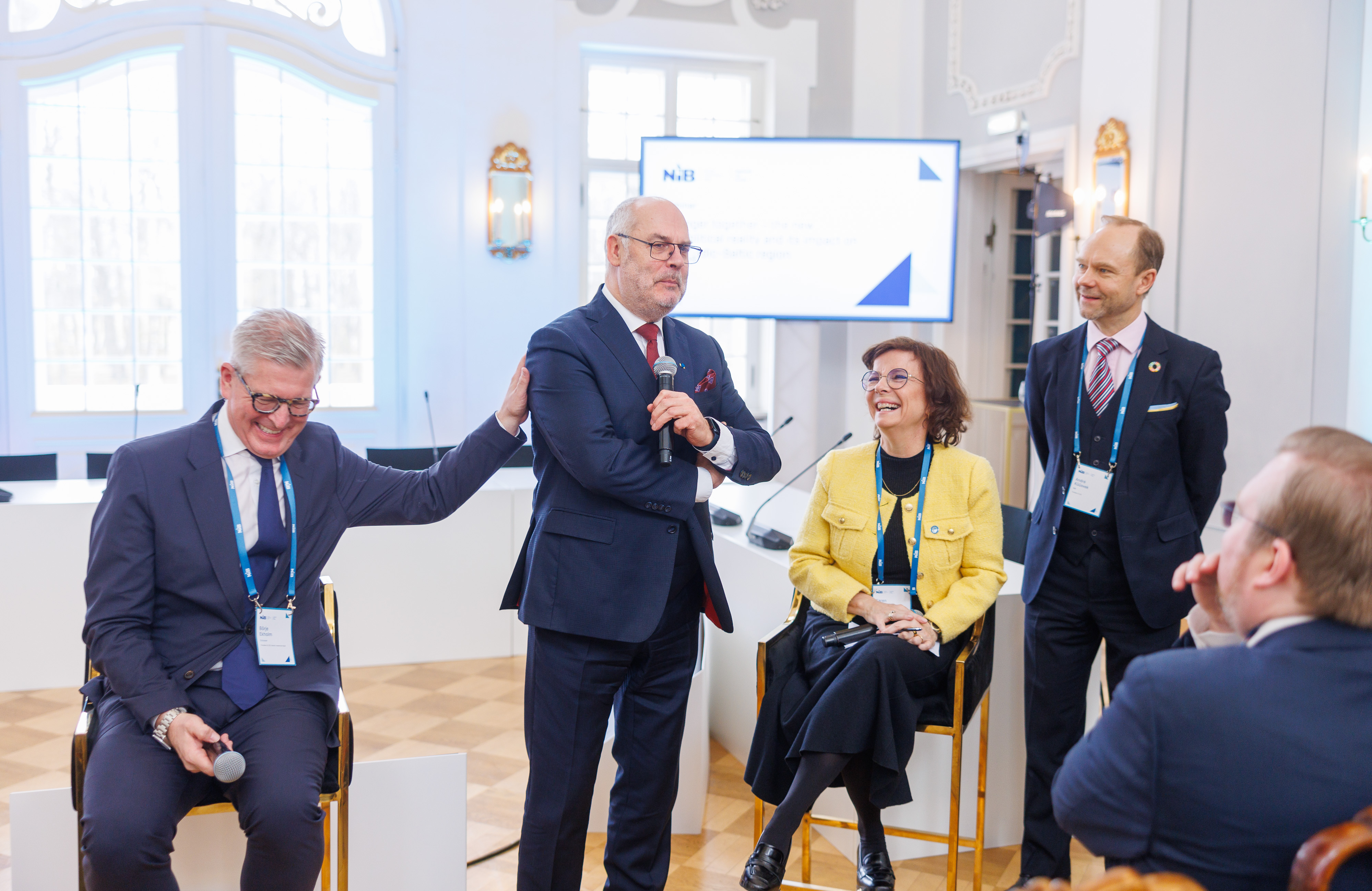
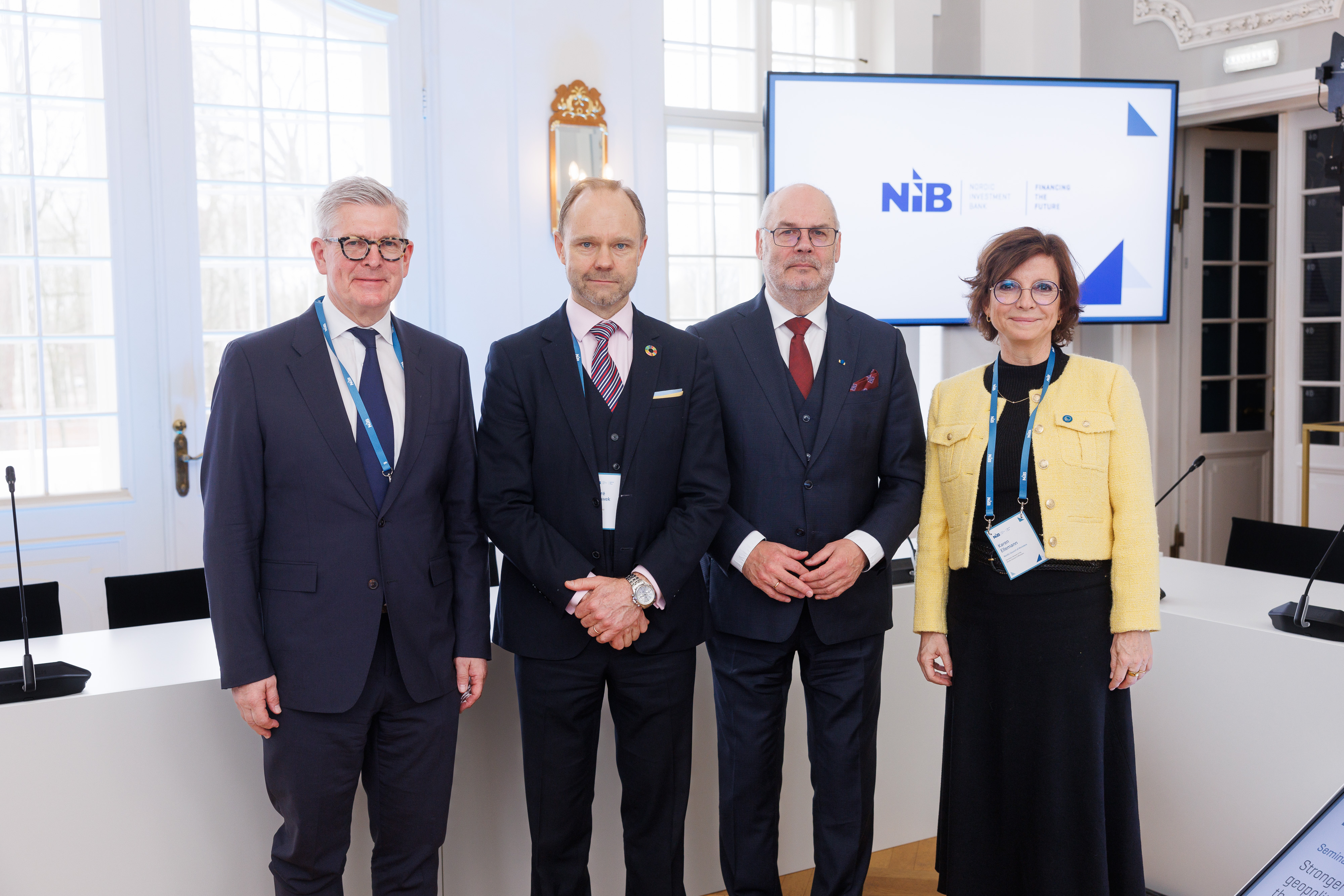
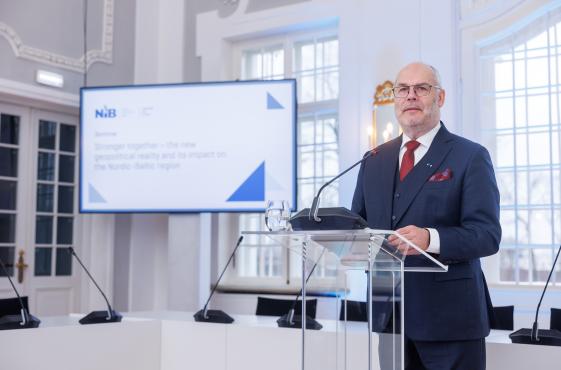
Addressing shareholders of the Nordic Investment Bank at a seminar held in Kadriorg this morning, President Alar Karis said that more thought must be given to long-term focus and the objectives that will shape the future and competitiveness of the Nordic-Baltic region. He highlighted the need for new production capacities, reduced dependence on imported energy and raw materials, further development of research-intensive entrepreneurship and the preservation of the region as an open and flexible business environment.
“We must work together to grow our companies and export to those outside our region,” he urged. “We must also recognise how closely connected we are and prioritise our shared goals. That way we can build a more prosperous and resilient future for the coming generations.”
The Estonian head of state says the Nordic-Baltic region must be attractive to the world’s brightest investors and entrepreneurs for them to found their companies here. “In that regard we have much to learn from one another, namely how to implement smart investments in infrastructure in practice so as to raise productivity and establish technology-heavy companies,” he said, noting the importance of improving the funding for tech companies to market their products. Otherwise, he said, these companies would set up their production facilities in other regions where funding is more readily available.
“And yet alongside everything we should change, there is much that is good and that we should not change, but develop further,” President Karis added. “In terms of the economy, one such aspect in our region is the openness and flexibility of the business environment, in which the state interferes very little. We enjoy a great deal of economic freedom. This tends to go underappreciated in difficult times, but history has shown us that it is remarkably beneficial to long-term economic development.”
The head of state says it is important to acknowledge that Russia’s imperialist intentions are the same today as they have been for centuries. This is reflected in the country’s attack on Ukraine, which has had a significant impact on the economic environment. “Our task is to help the Ukrainians win the war and to establish a convincing deterrent of our own,” he advised. “Bolstering defence also presents a challenge to the business sector: on the one hand, money itself requires a defence policy, which presupposes a strong economy; but on the other, we need an industry that is capable of providing the products the defence sector requires.”
President Karis acknowledged that this results in the need for both the expansion of existing industrial companies and the development of new production. “Additional production capacities becoming a necessity could turn the challenges that lie ahead of us into opportunities which in turn generate potential for growth in research-intensive entrepreneurship and for the development of industry,” he said.
The head of state also noted that Europe has long been dependent on imported energy and raw materials. “Reducing that dependence is important for the green transition, too,” he said. “The circular economy and new technologies will enable us to manufacture products with a smaller environmental footprint than our competitors. Mining, the energy sector and industry generally will require major investments in the coming decades.”