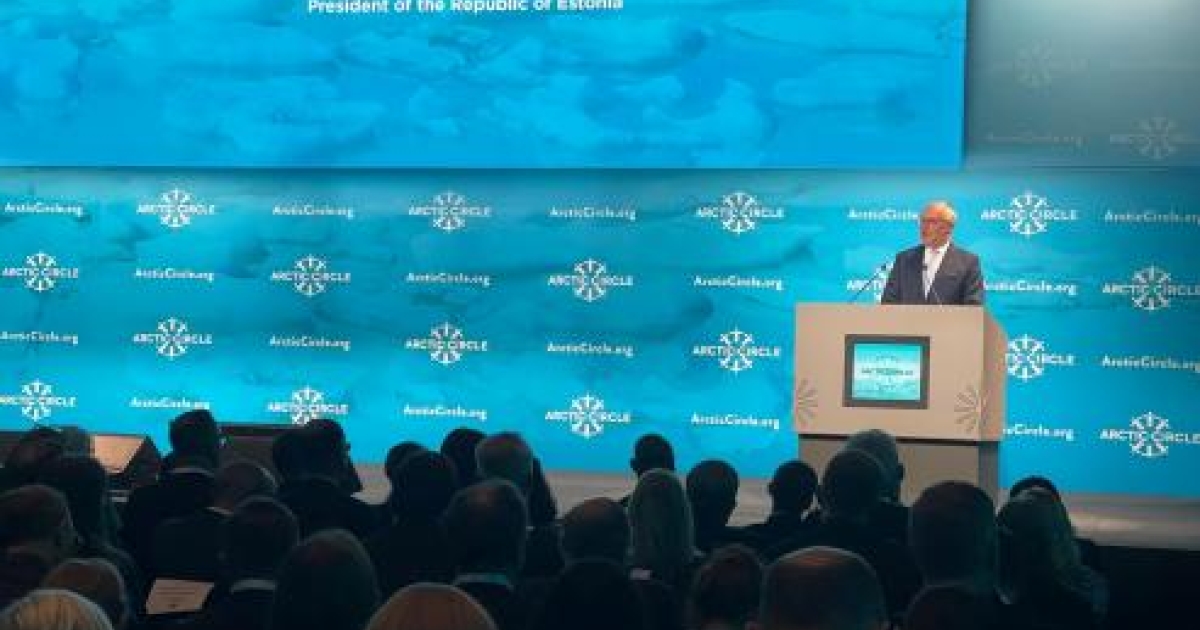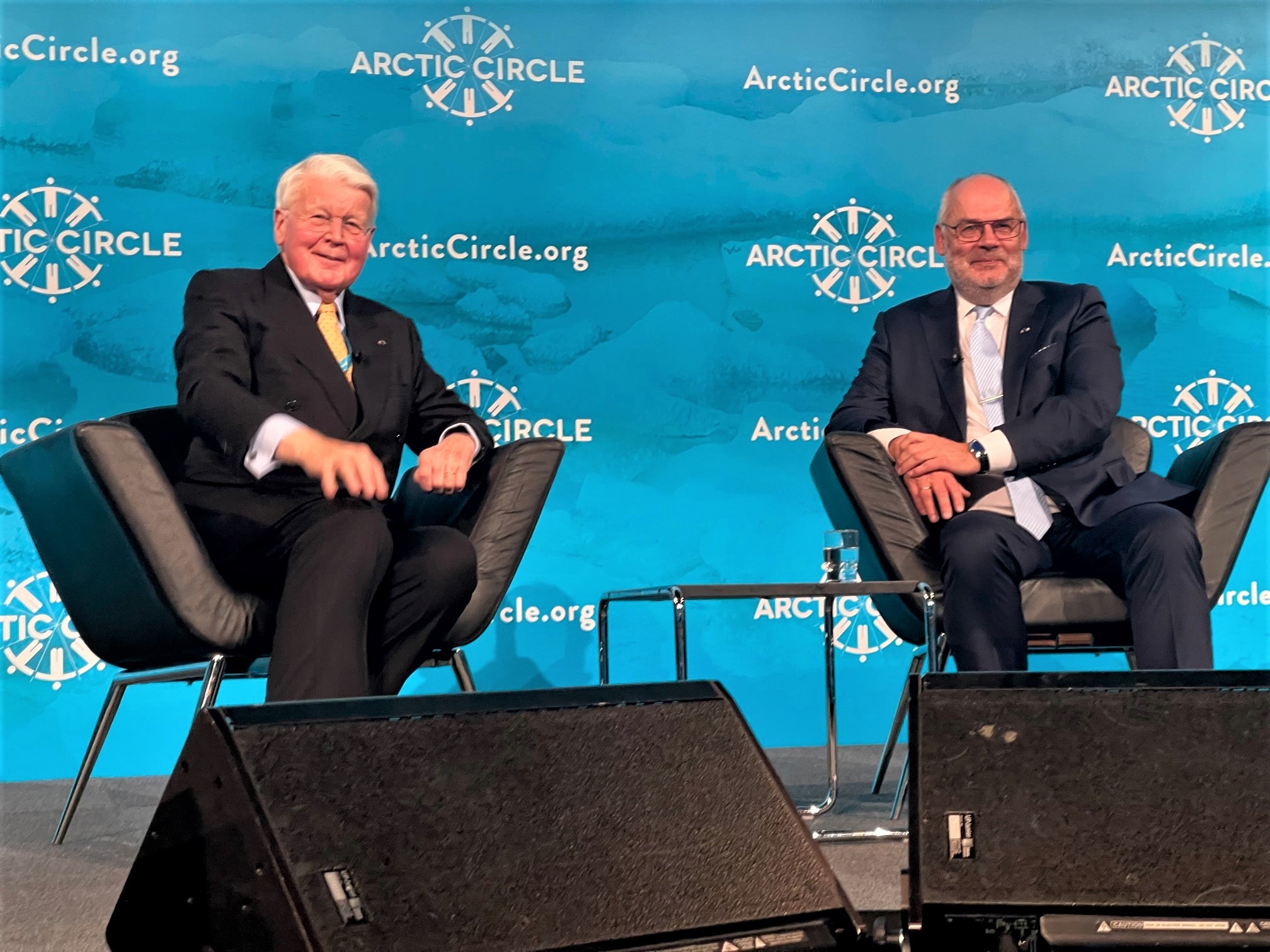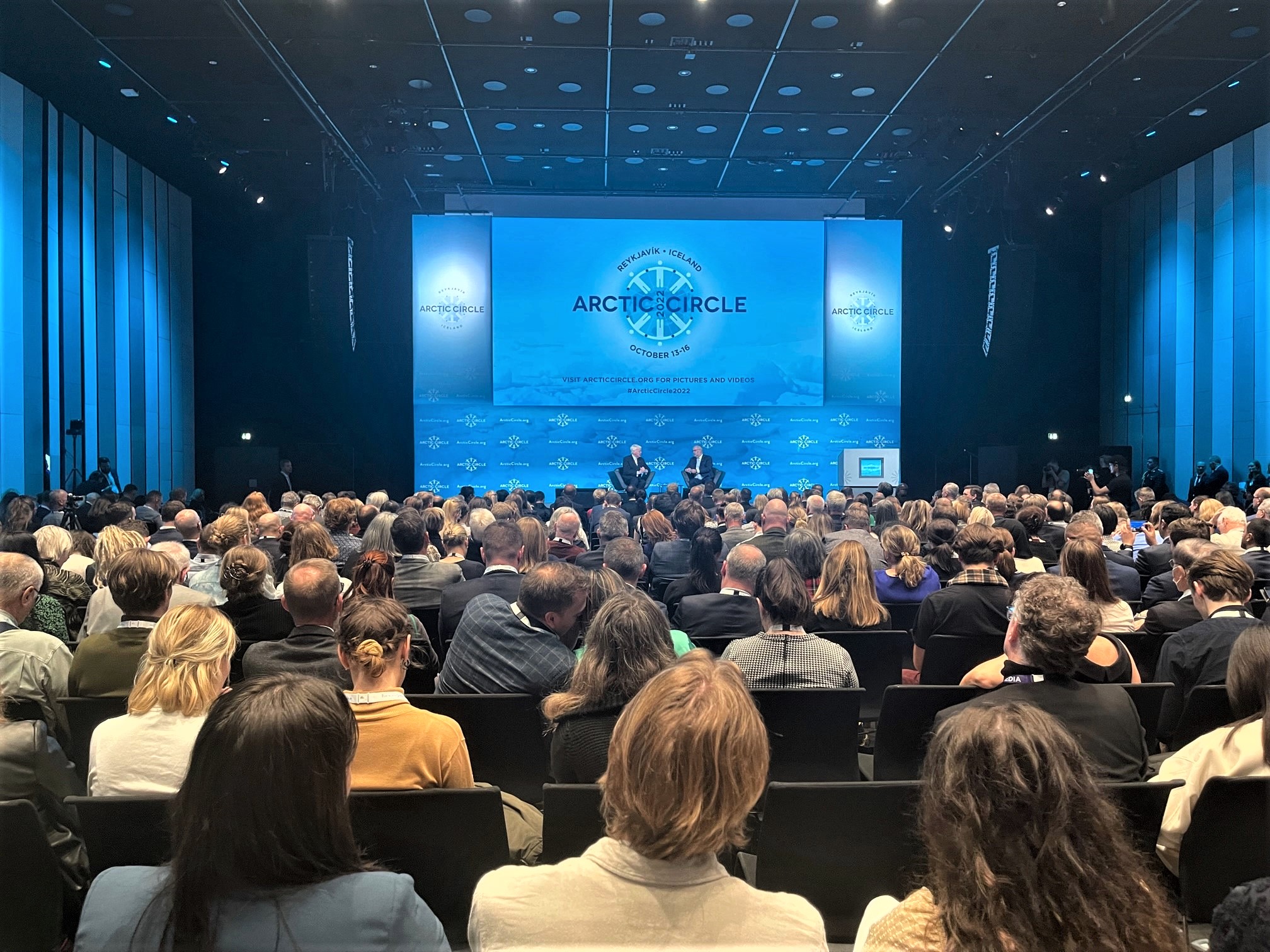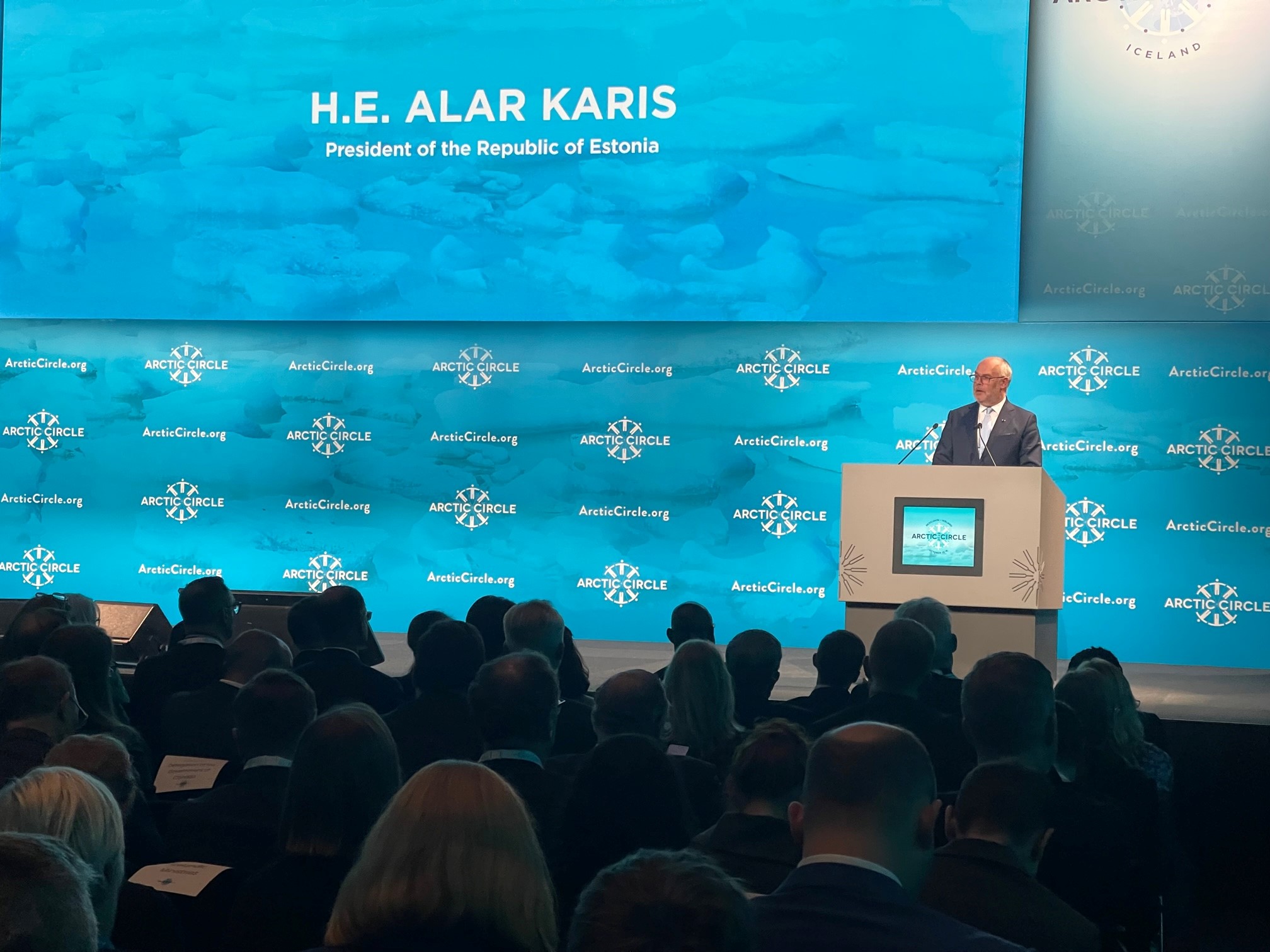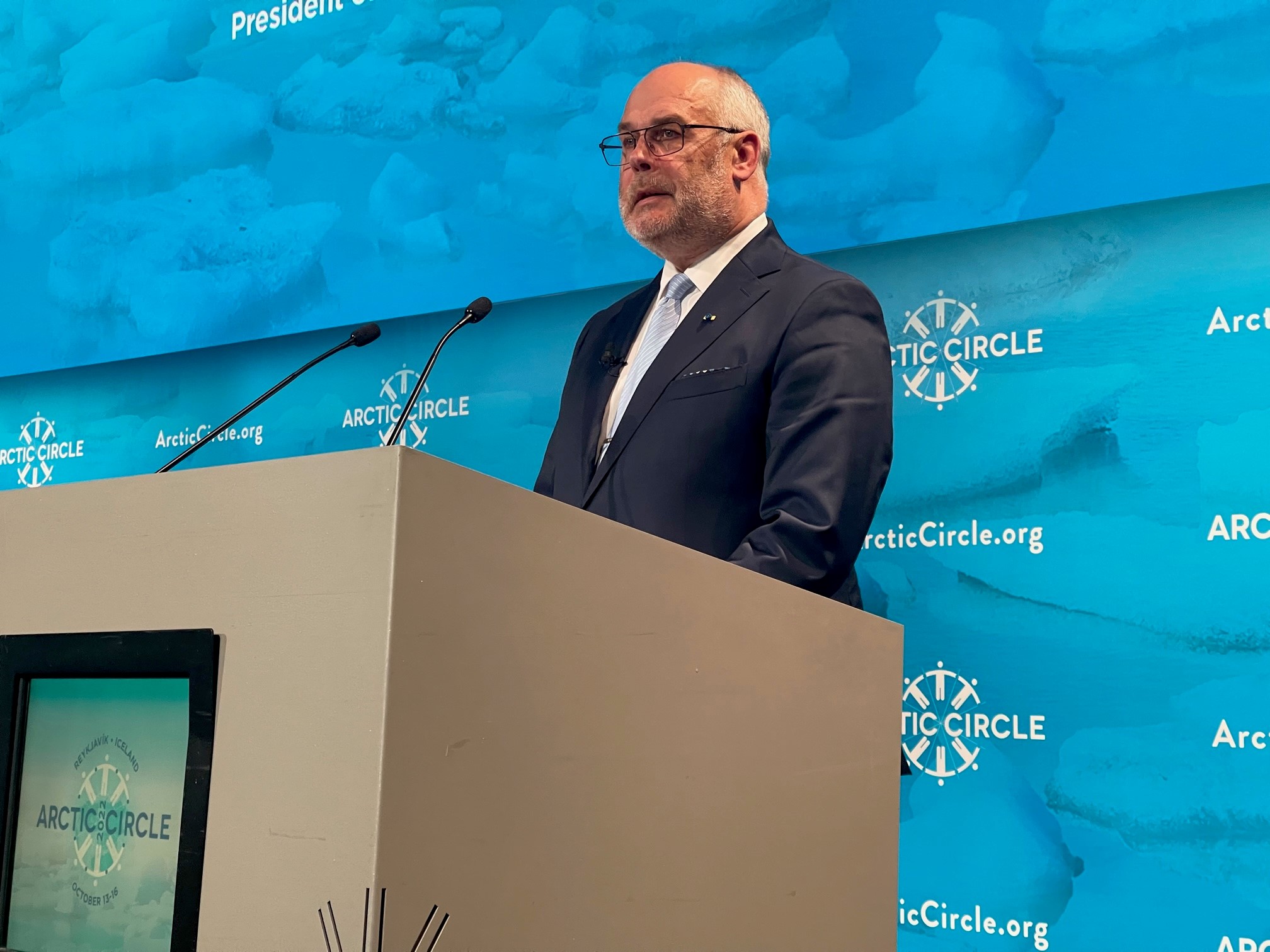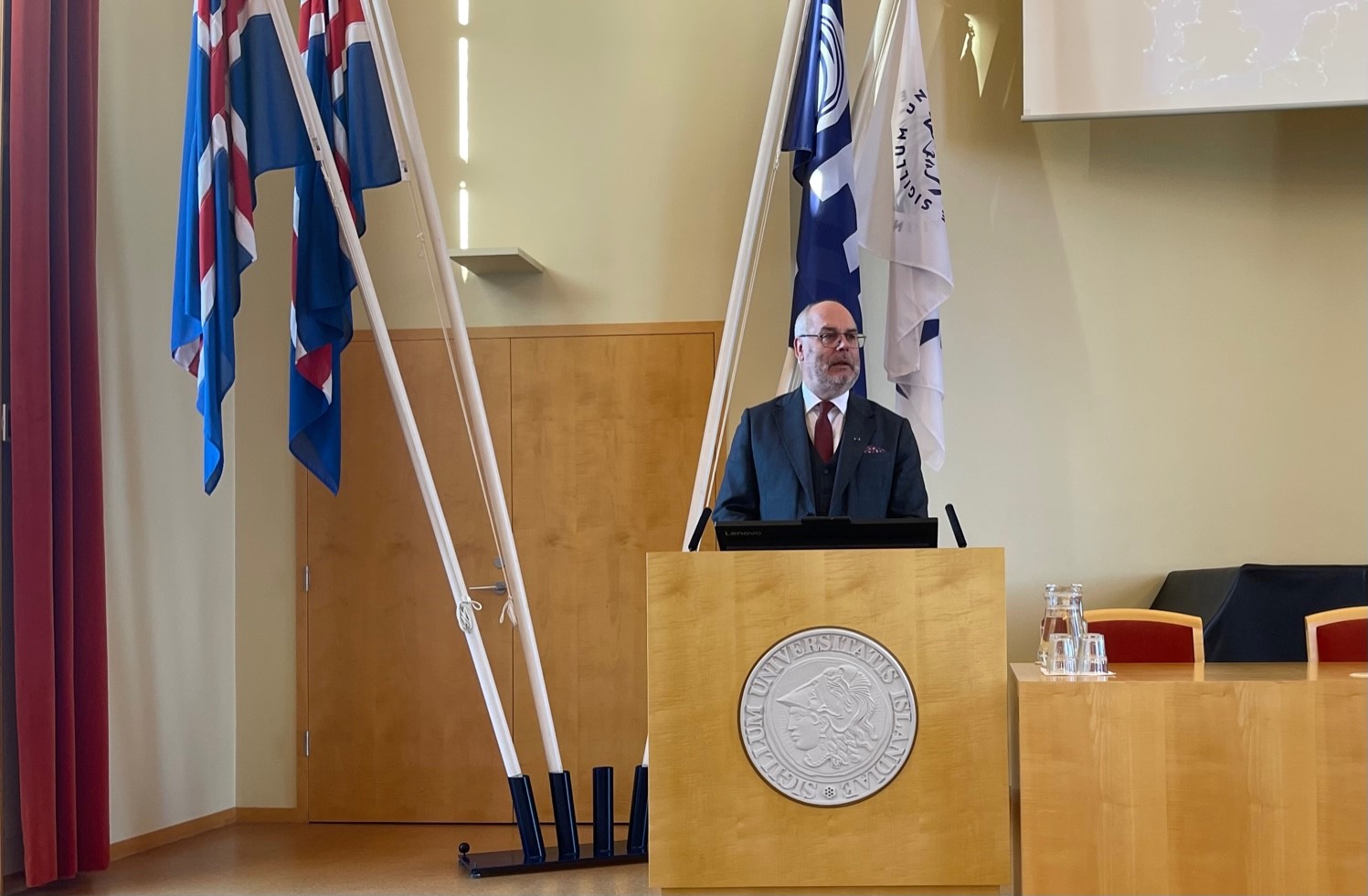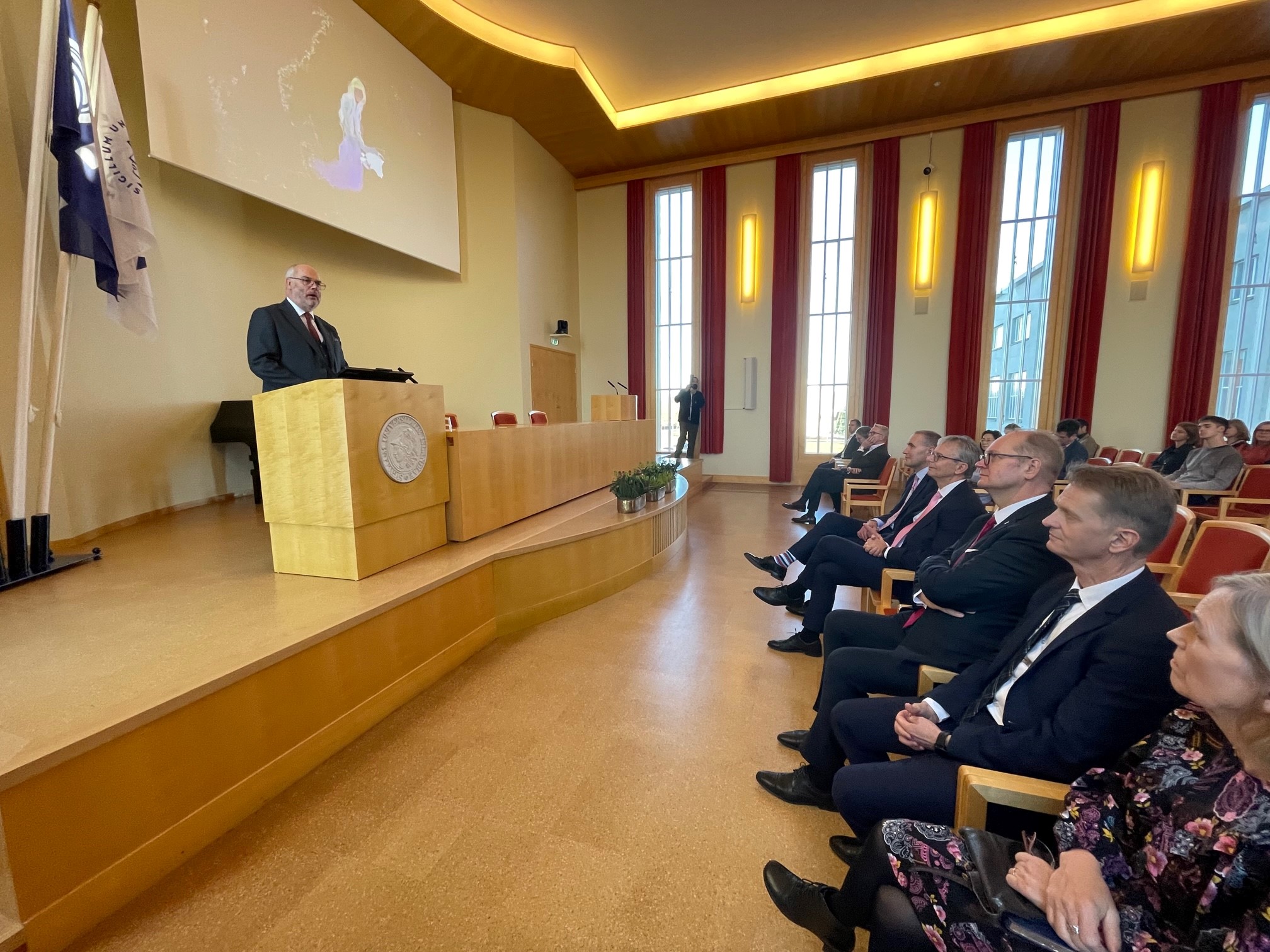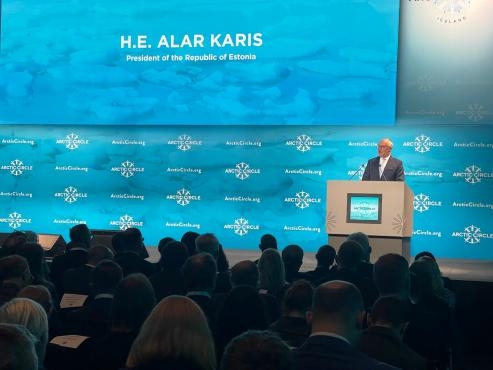
The Estonian head of state stressed that indigenous peoples should have much more of a voice in the shaping of the future of the Arctic region and that Estonia has the means to help contribute to this. “We don’t link the fate of the Arctic with the economic interests or geopolitics of a large country,” he said. “The Arctic is in our genes, and our Finno-Ugric roots connect us to the indigenous people of the Arctic region.”
President Karis explained that Estonian scientists have been researching the languages, cultures and lives of Northern peoples for several generations, adding that in more recent times these studies have included genetics – to the extent that Estonia is now home to the world’s biggest gene bank of indigenous Siberian peoples.
Addressing the worrying environmental changes which are being seen in the Arctic and which are accelerating climate change globally, President Karis highlighted the role of international scientific cooperation, in which Estonia has its own part to play. “To champion the Arctic we must gather significantly more data about the changes that are affecting the region,” he advised. “That way we will be able to deal with the causes, not just the spiralling consequences that these changes in the natural environment are having on the international community.”
Speaking of Russia’s war in Ukraine, the head of state remarked that it was in everyone’s interests to ensure that the Arctic remained a region that is unaffected by tensions, where there is the utmost respect for international law and where development is based on a peaceful scientific perspective. As part of its war, he added, Russia was proclaiming its right to achieve total control over existing transport connections in the Arctic as well as new ones arising due to climate change. “Its attempts to monopolise northern shipping routes reflect the same ideology to which we are bearing witness in Ukraine,” he cautioned. “These are signs of Russia’s desire to dominate, to expand and to control, and they are indicative of the country’s flagrant breaches of internationally agreed principles.”
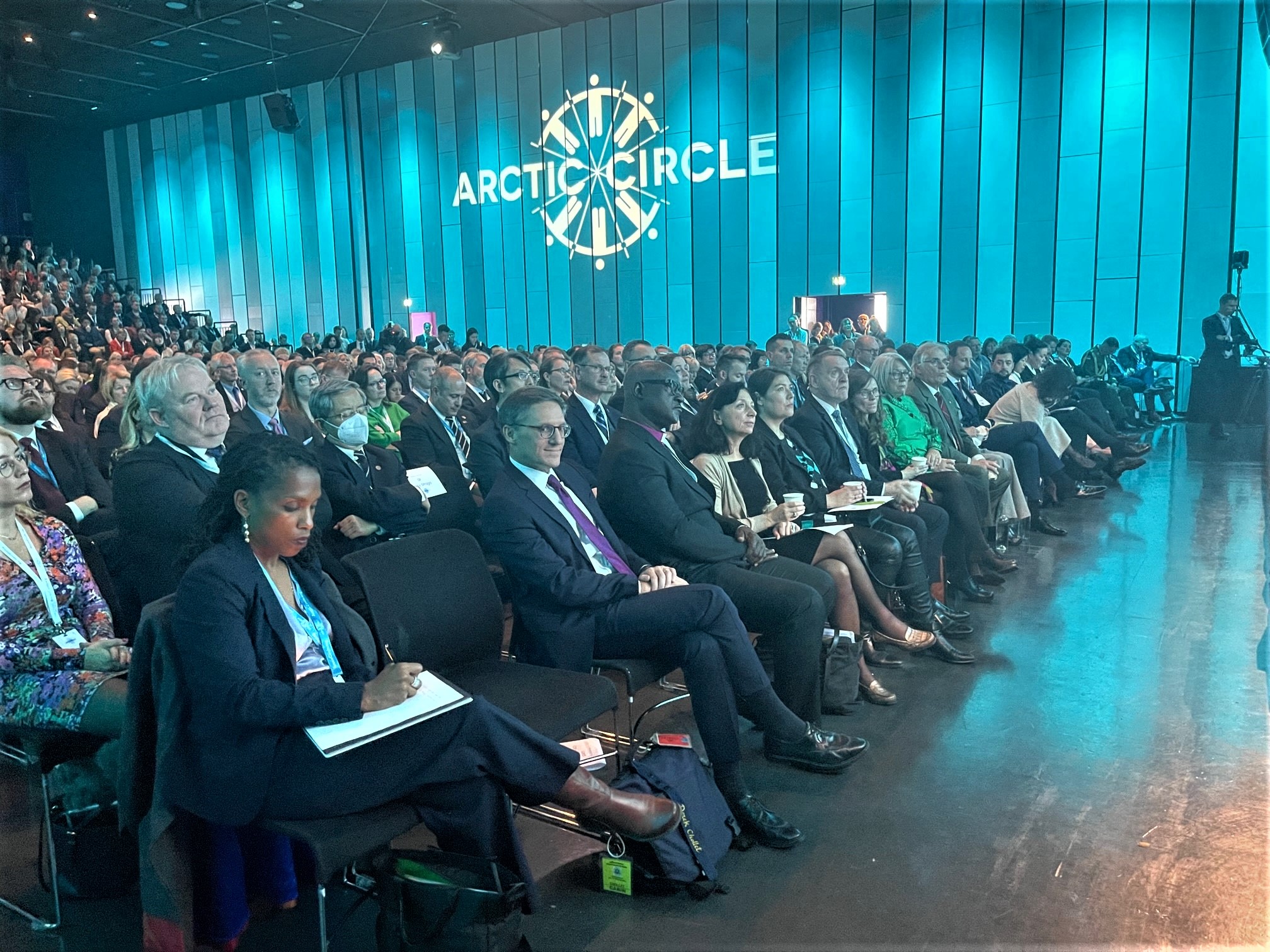
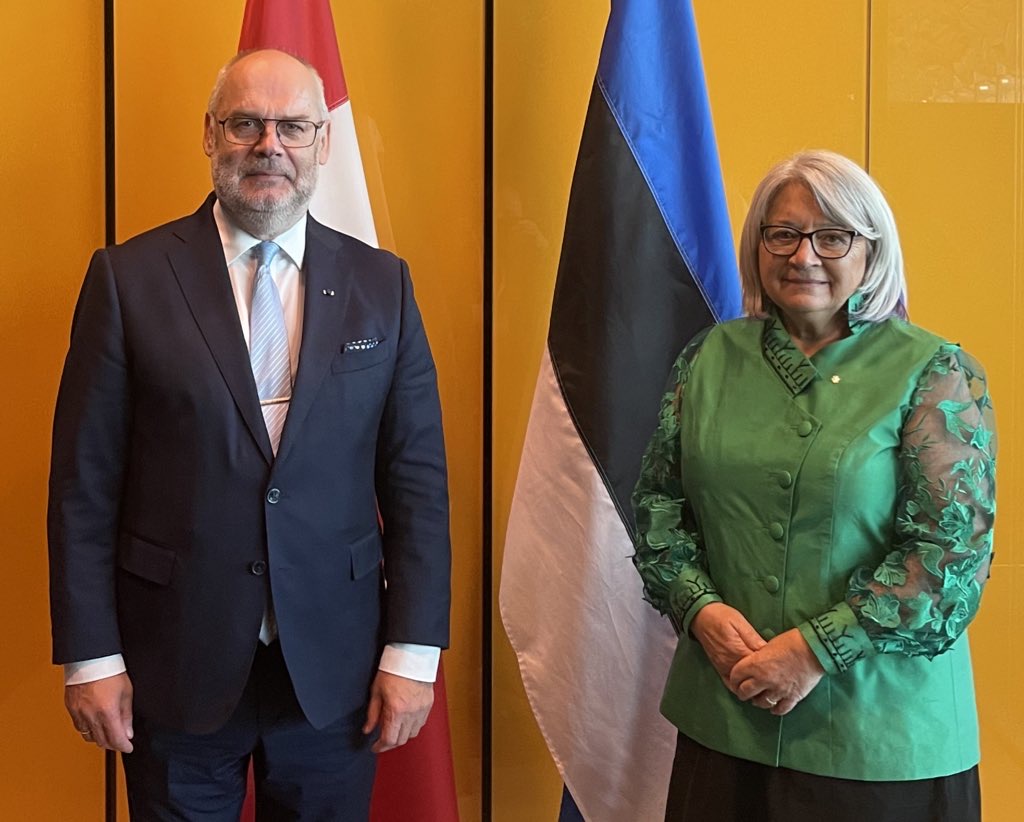
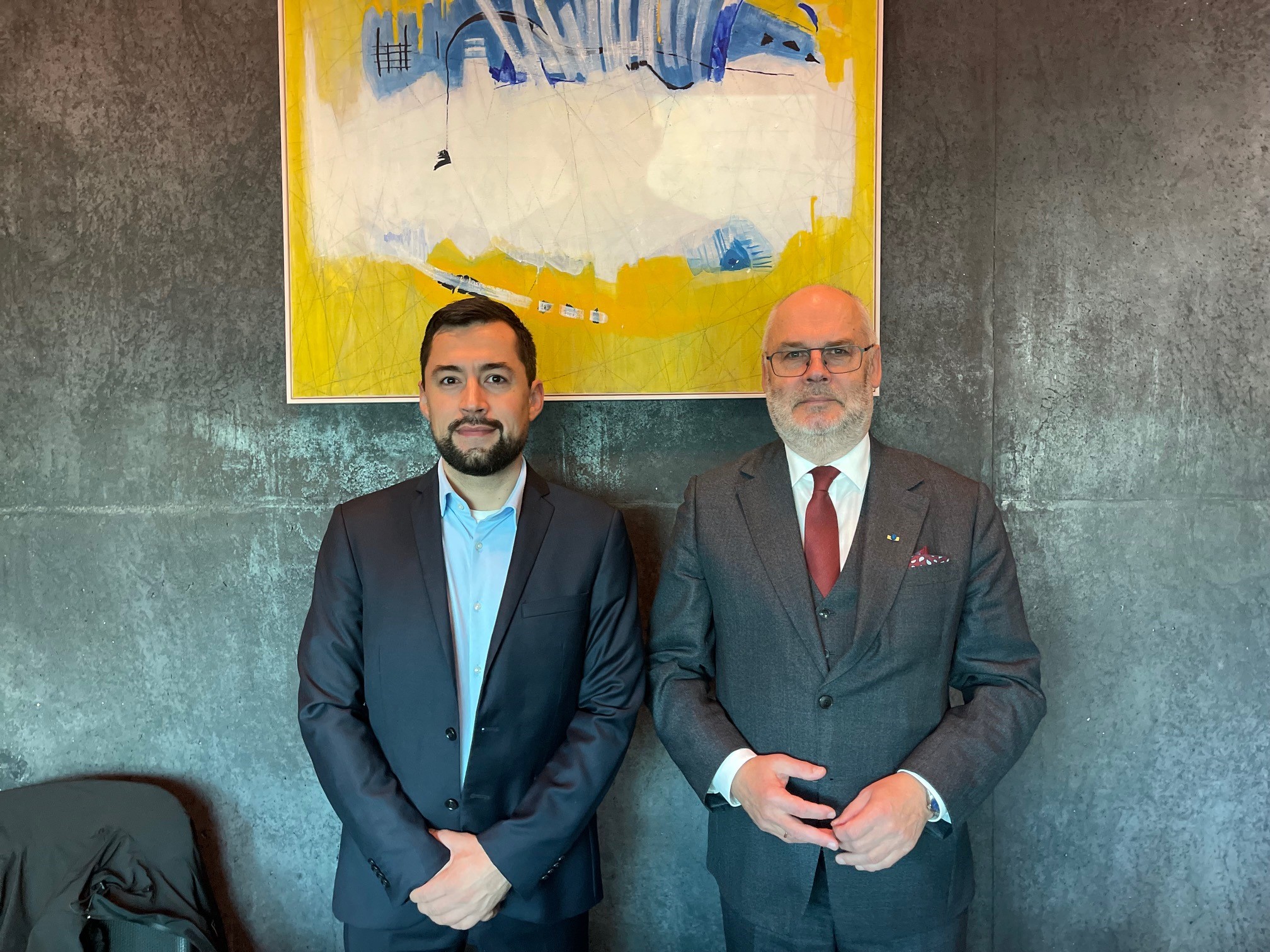
Also participating in the Arctic Circle panel were Prime Minister Katrin Jakobsdóttir of Iceland, Canadian Governor General Mary Simon, Crown Prince Haakon of Norway and Prime Minister Múte B. Egede of Greenland.