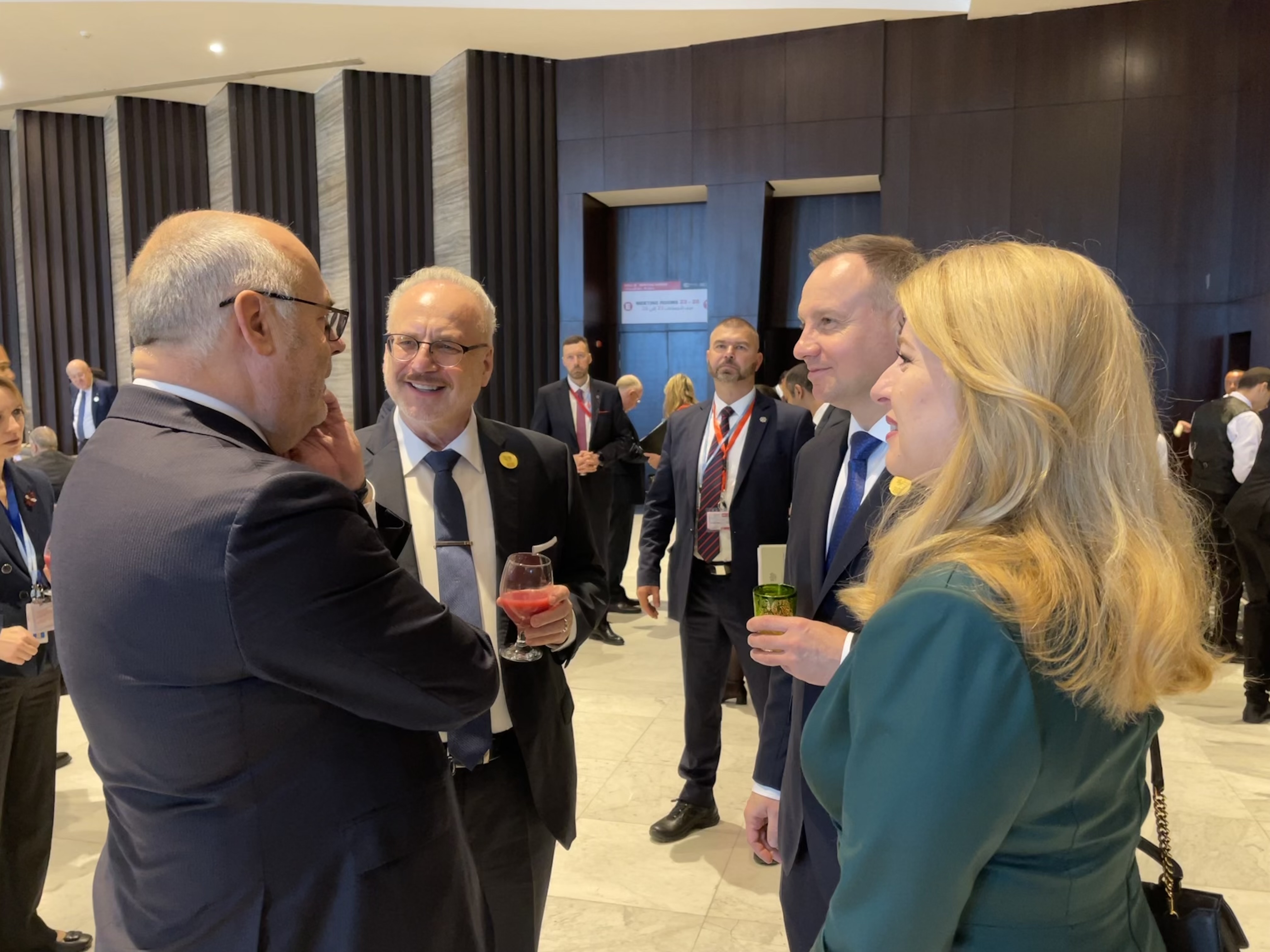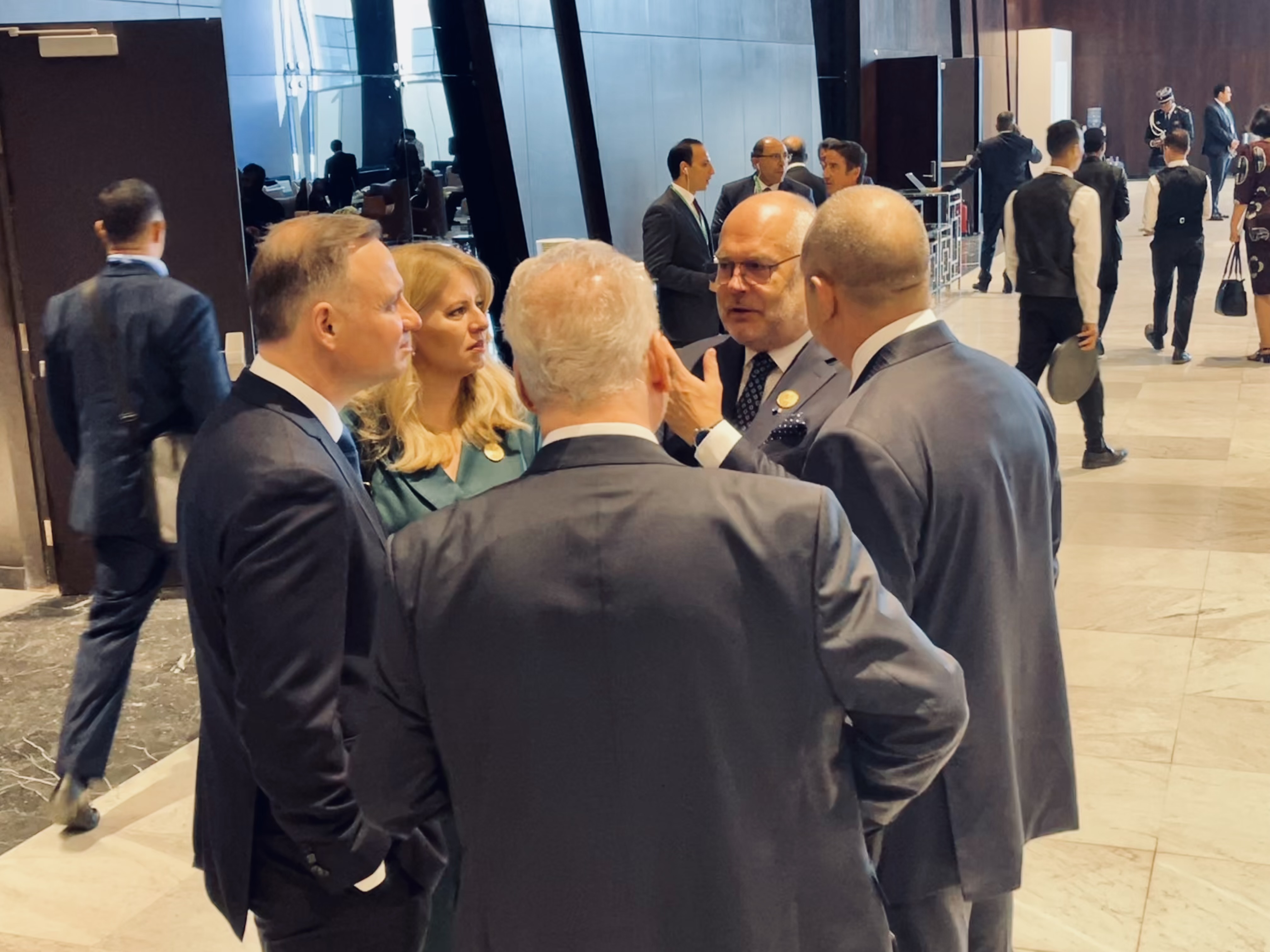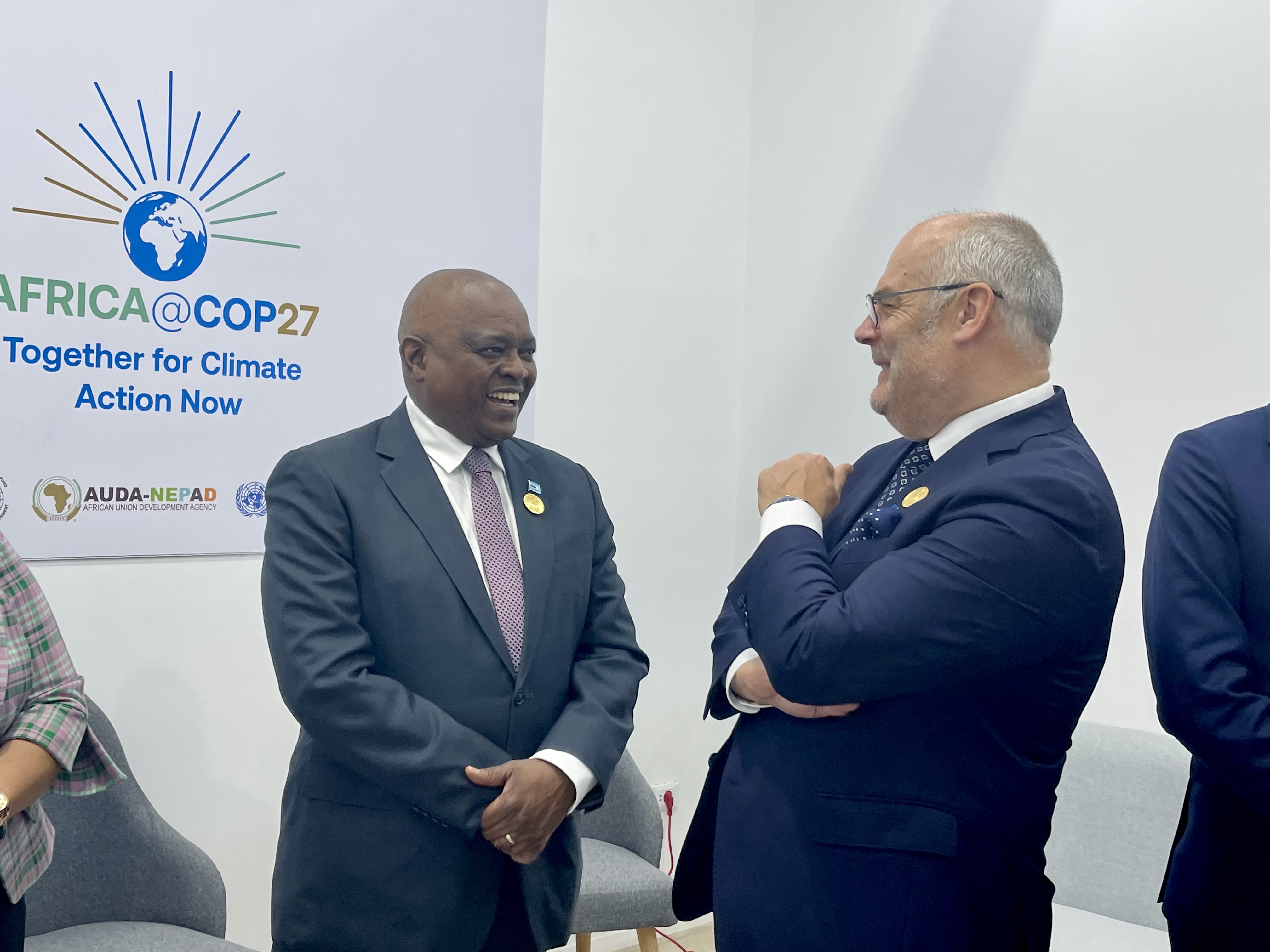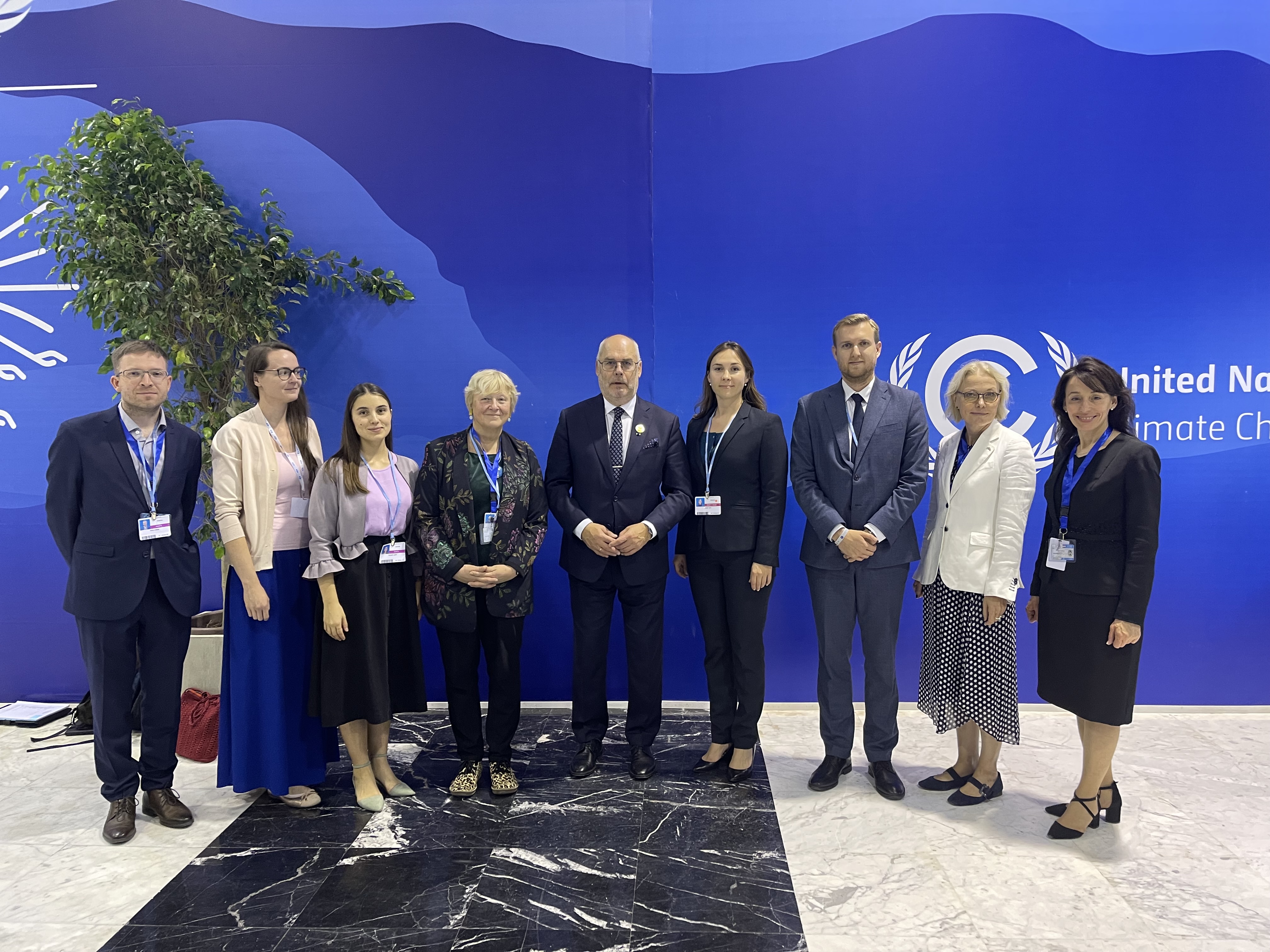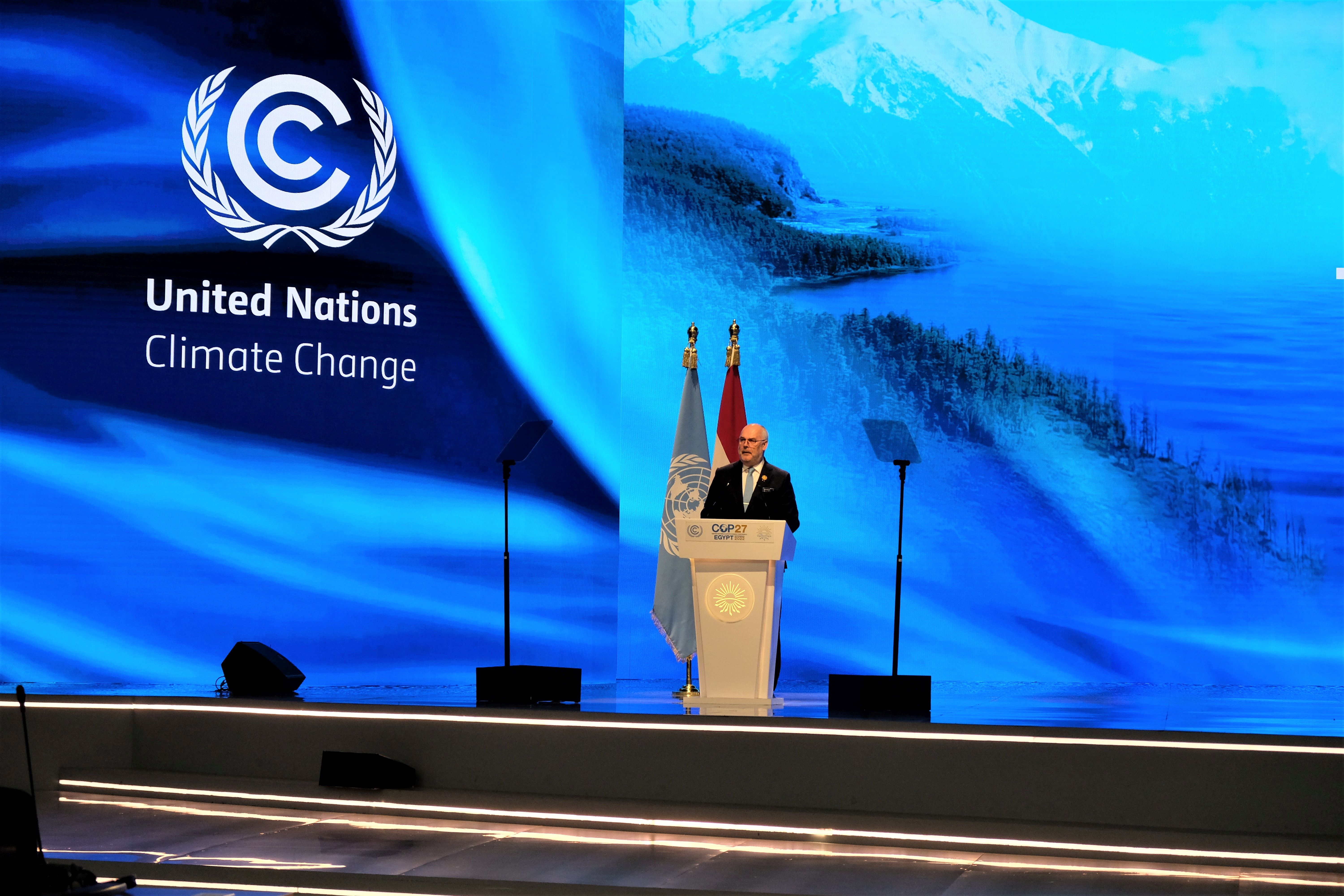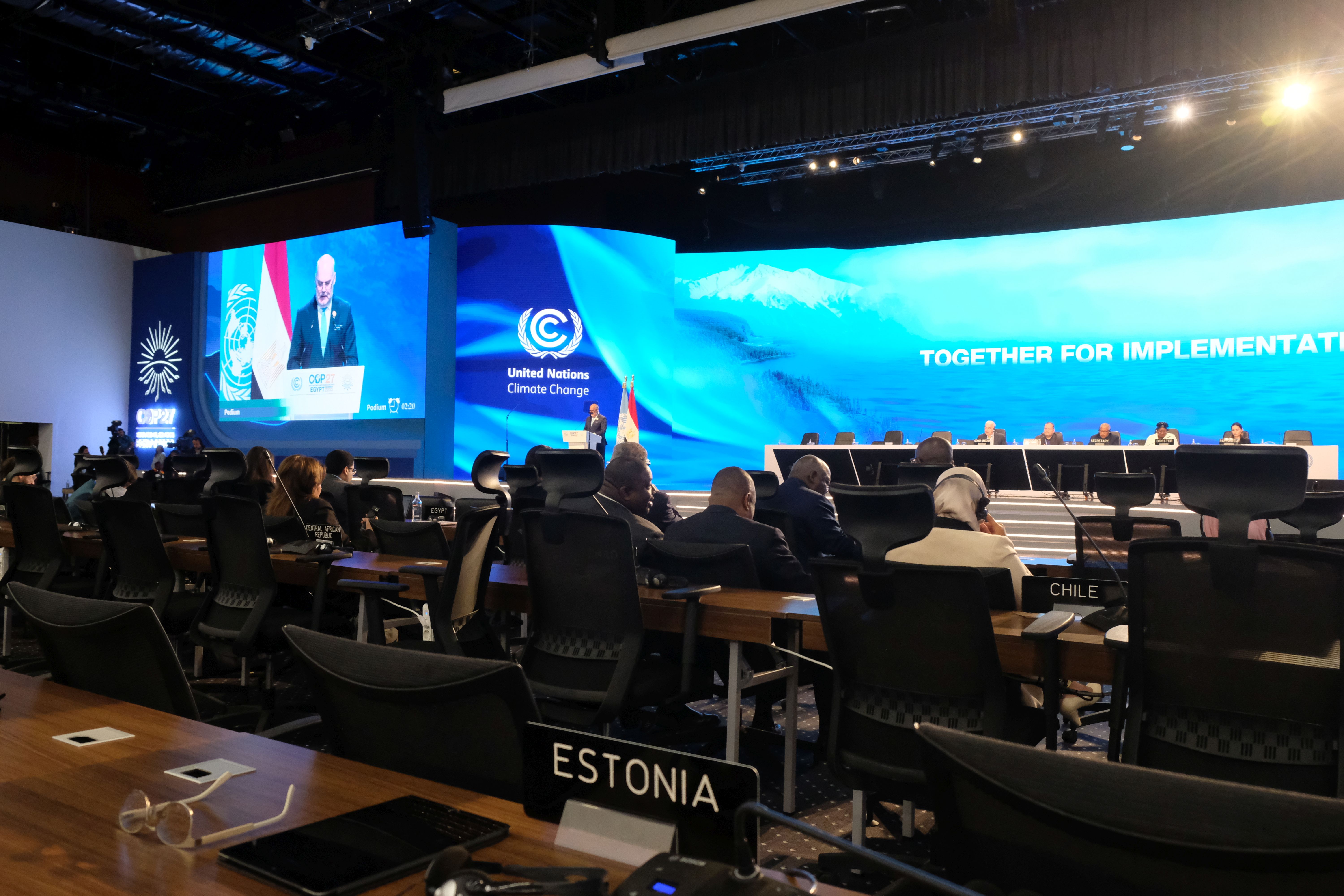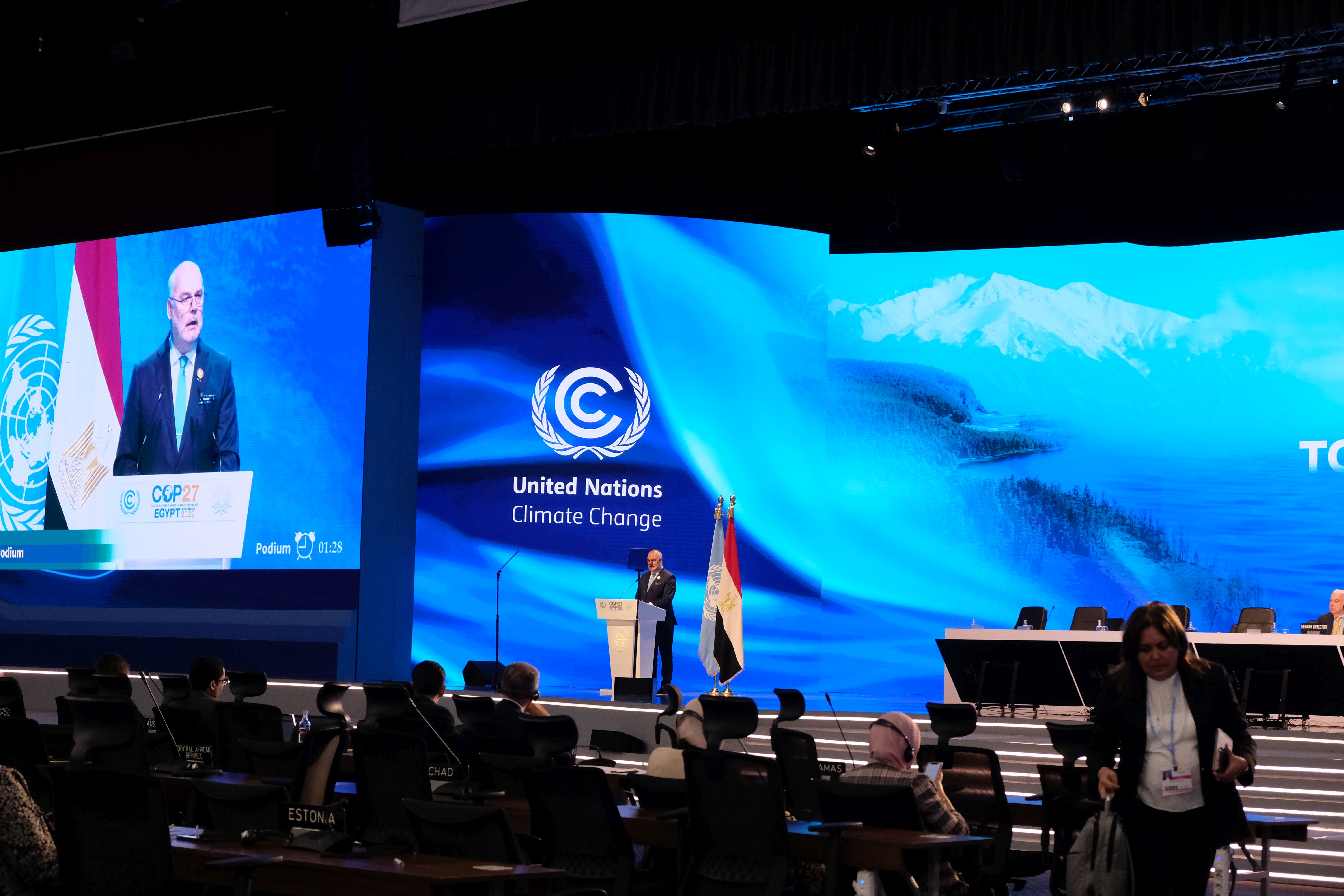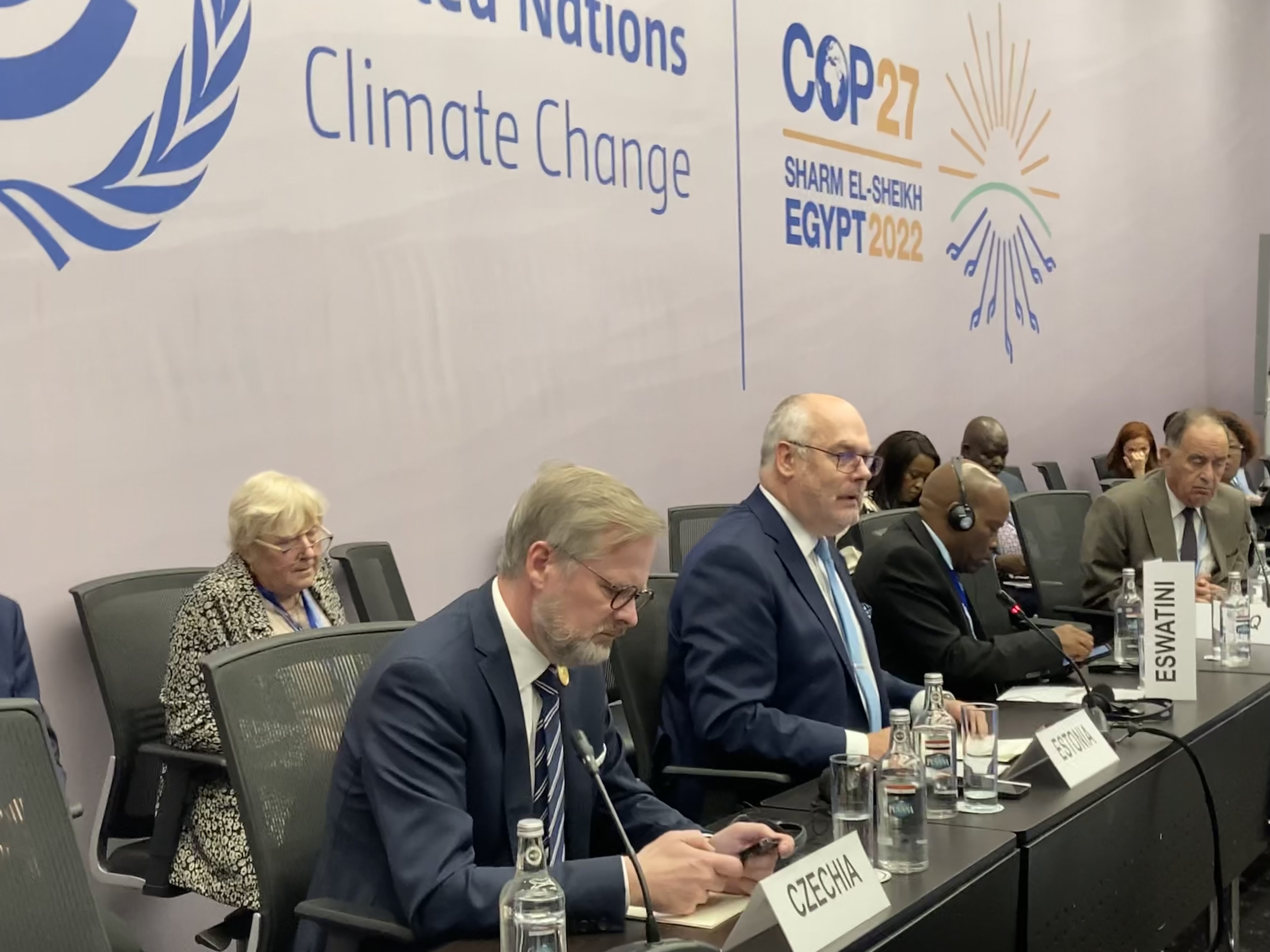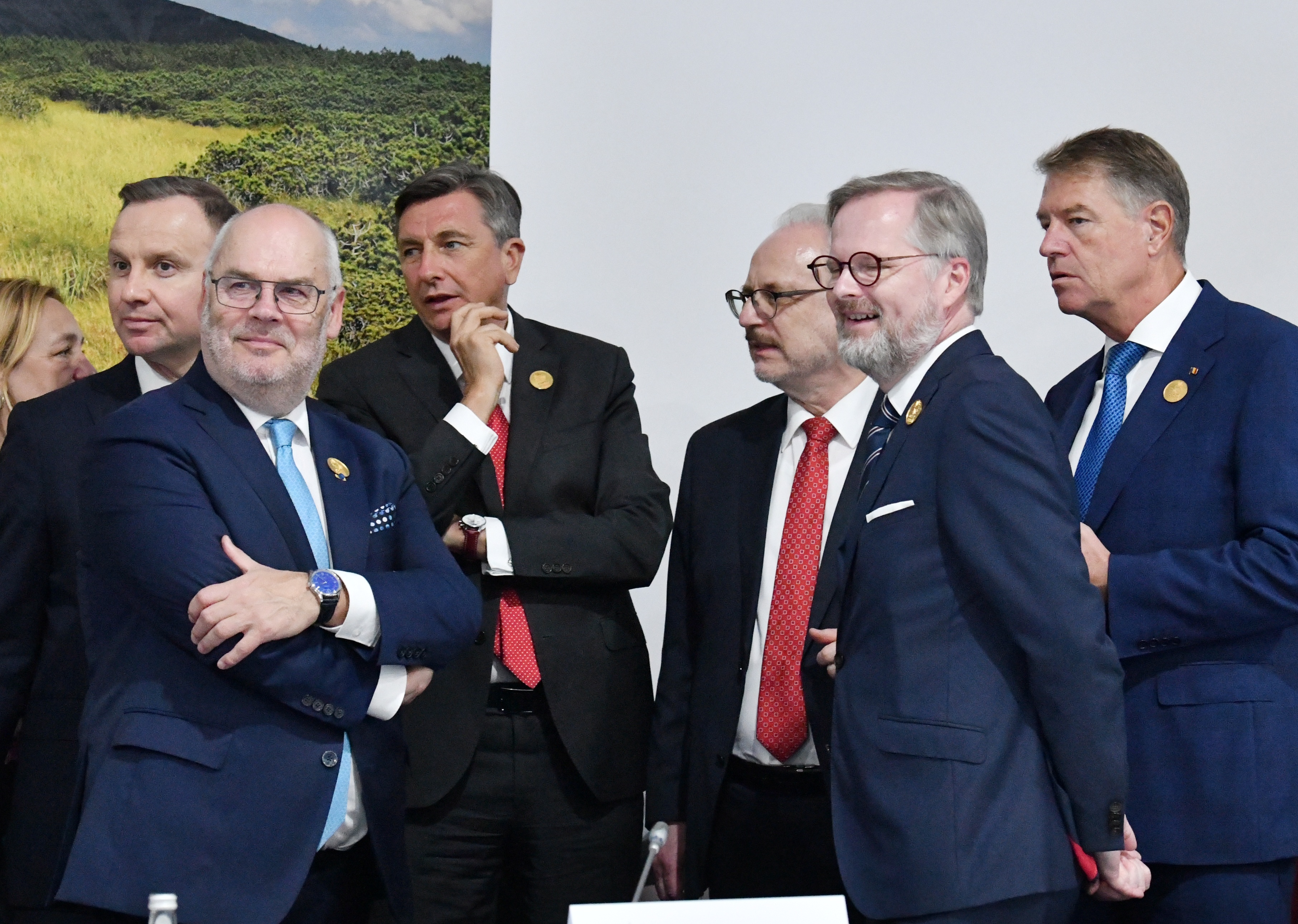
President Karis added that climate change is not the only pressing environmental issue. “Biodiversity is declining, and the state of our soils and water is also worsening,” he cautioned. “Climate change is exacerbating those problems, but is one of only a number of causes of them, all of which are the result of human activity. That is why education should be designed to help us understand the root causes and impact of environmental issues, and potential ways of dealing with and adapting to them.”
According to the head of state, Estonia has introduced sustainable development into its school curriculum horizontally. “We have a national network of environmental education centres,” he said. “They also offer non-formal education. And as members of the global Green School movement, 20% of schools and kindergartens in our country follow sustainability principles in their activities. Teachers confirm that doing so creates a positive connection between the students and nature. That is an important first step towards environmentally friendly behaviour. At the same time, we still have a lot to learn in terms of how we can break people’s habits.”
President Karis stressed that attention should be turned to educating adults as well as children. “On the one hand, we need to ensure that public discourse on climate change is based on scientific fact and the best available knowledge,” he advised. “Fostering critical thinking and literacy in the natural sciences is a lifelong undertaking. And on the other hand, we must also devise experiences for adults that make the impact of human activity on the environment visible to them. A good example is the “Let’s Do it” world clean-up day, which has become one of the biggest environmental movements on the planet.”
The head of state said that the next step was to launch a similar campaign to clean up digital waste, drawing people’s attention to the footprint their online activities leave behind. “As one of the pioneers of digital public services, Estonia feels a certain responsibility for raising awareness of the environmental impact of digital life,” he said. “Every unnecessary e-mail, photo and document in the cloud expends energy. Since we know that reducing consumption is one of the most effective ways of reducing climate impact, why not start there?”
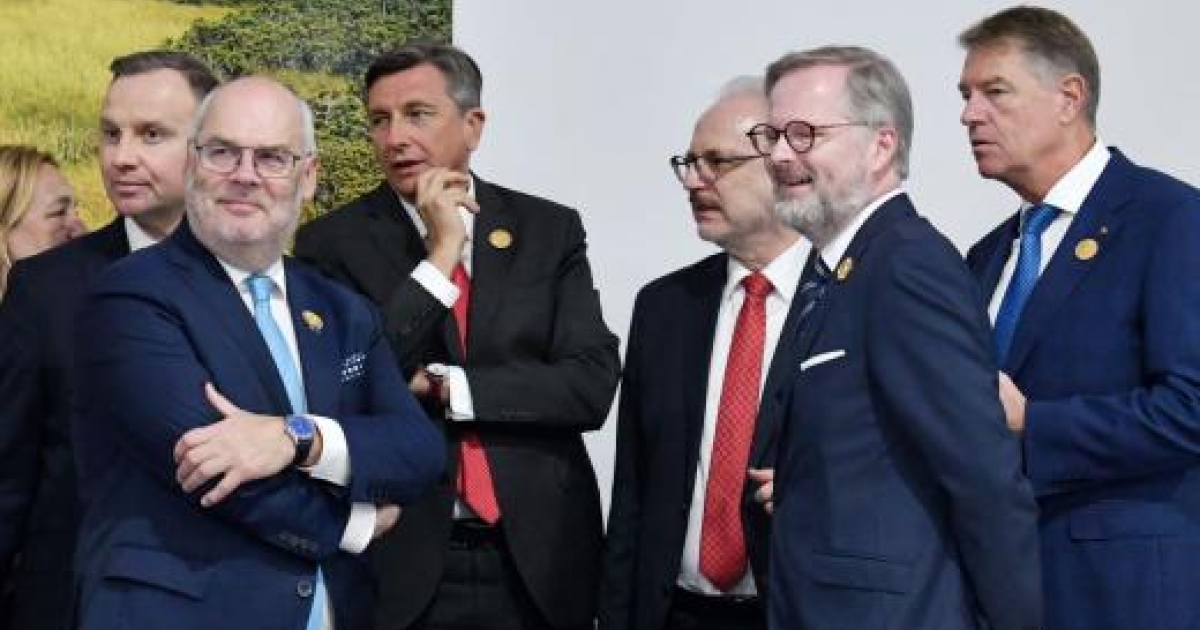
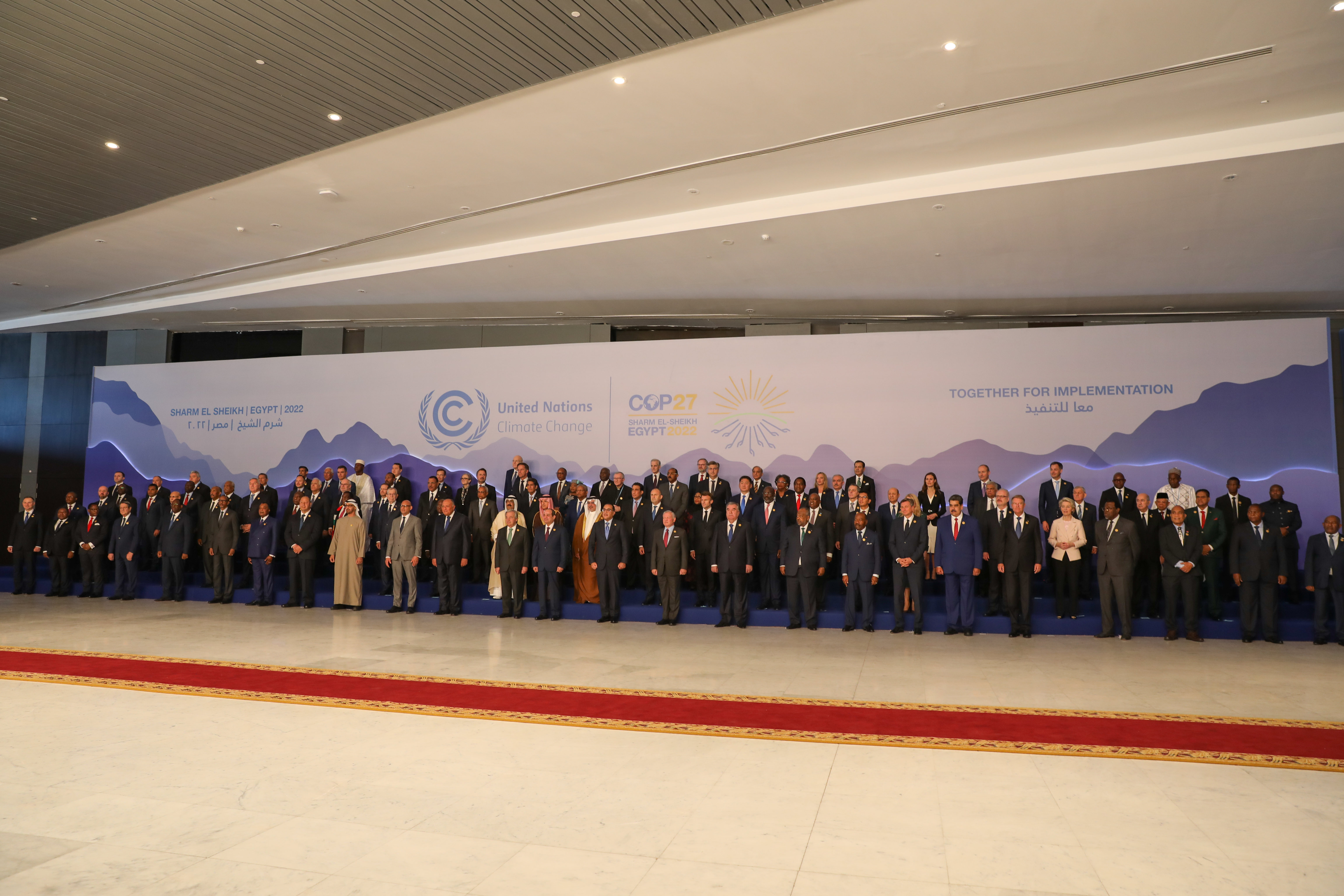
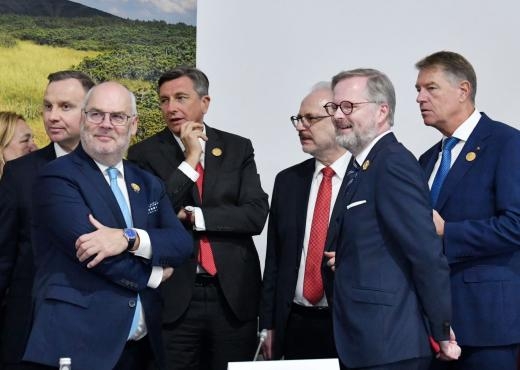
Others taking part in the debate included the heads of state of Bulgaria, Latvia, Poland, Rwanda, Slovakia and Slovenia and representatives of the European Investment Bank, the United Nations Environmental Programme (UNEP) and UNICEF.