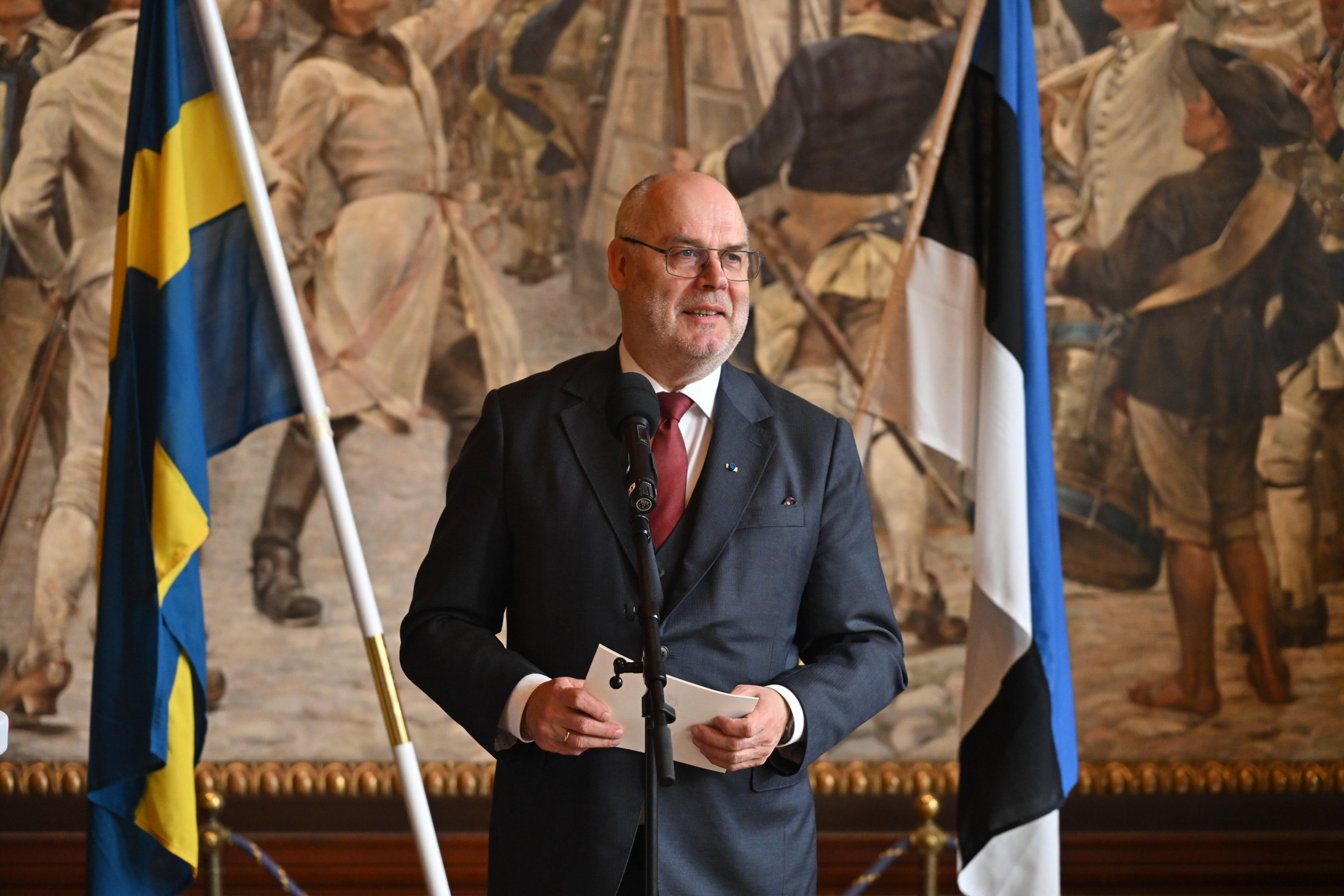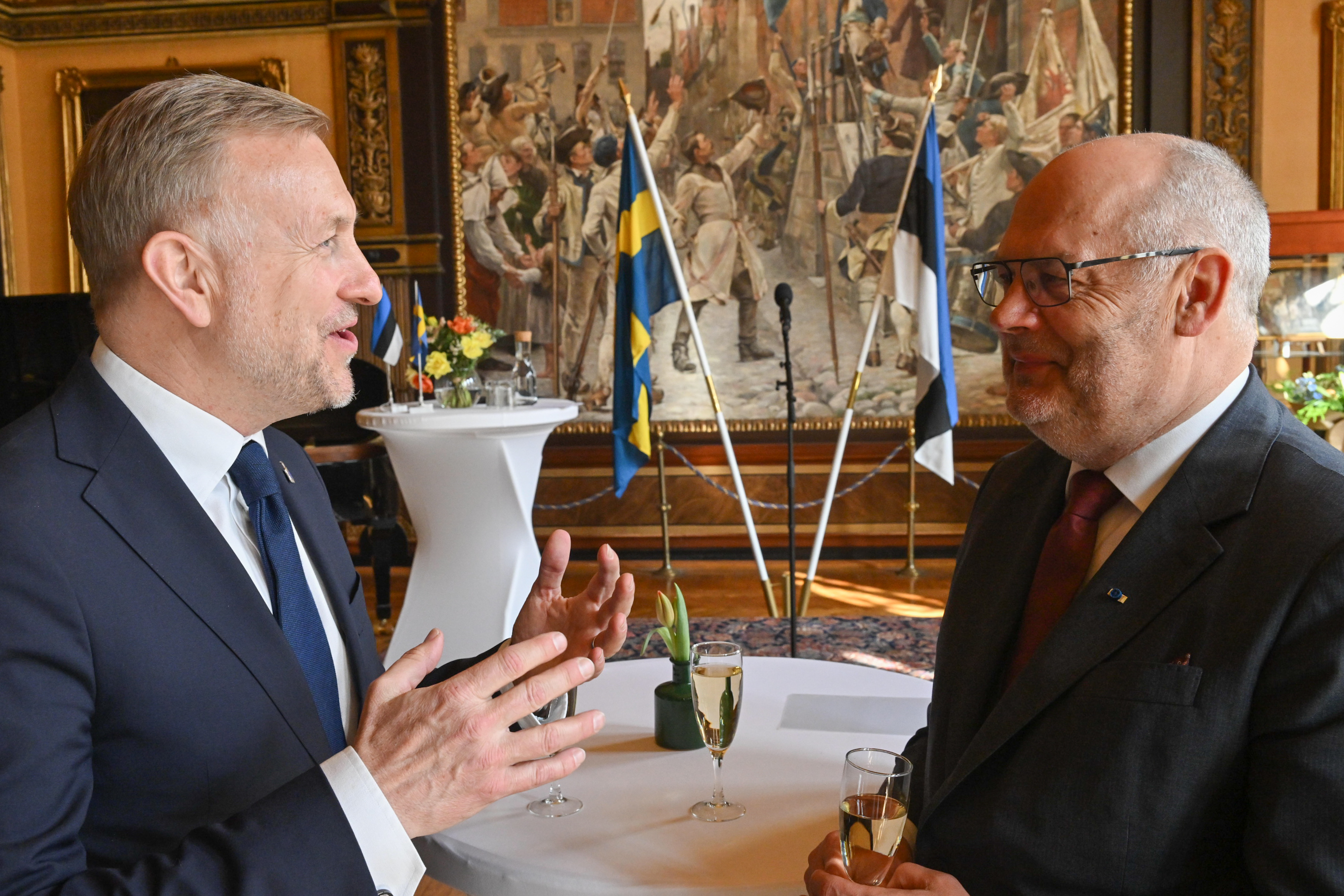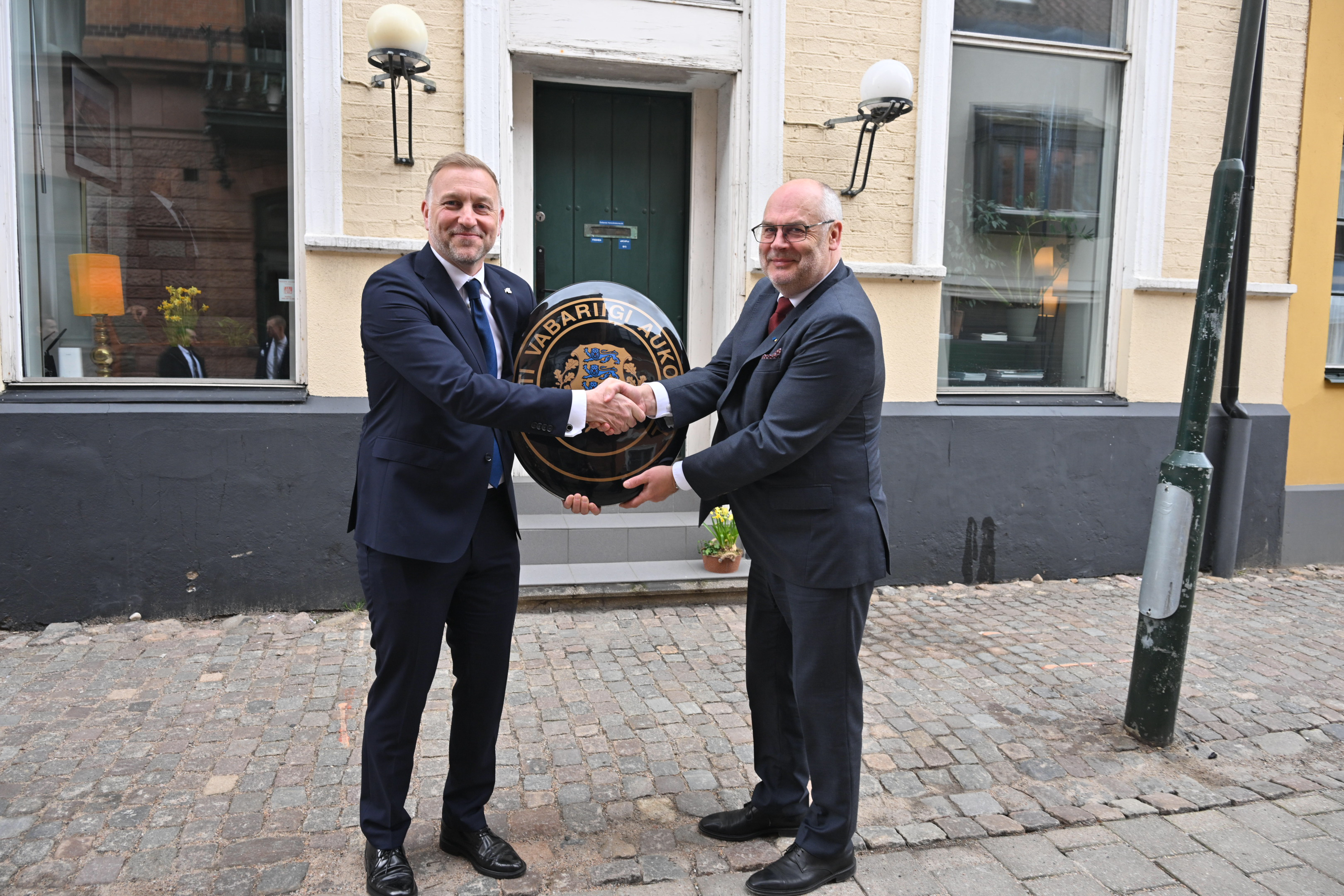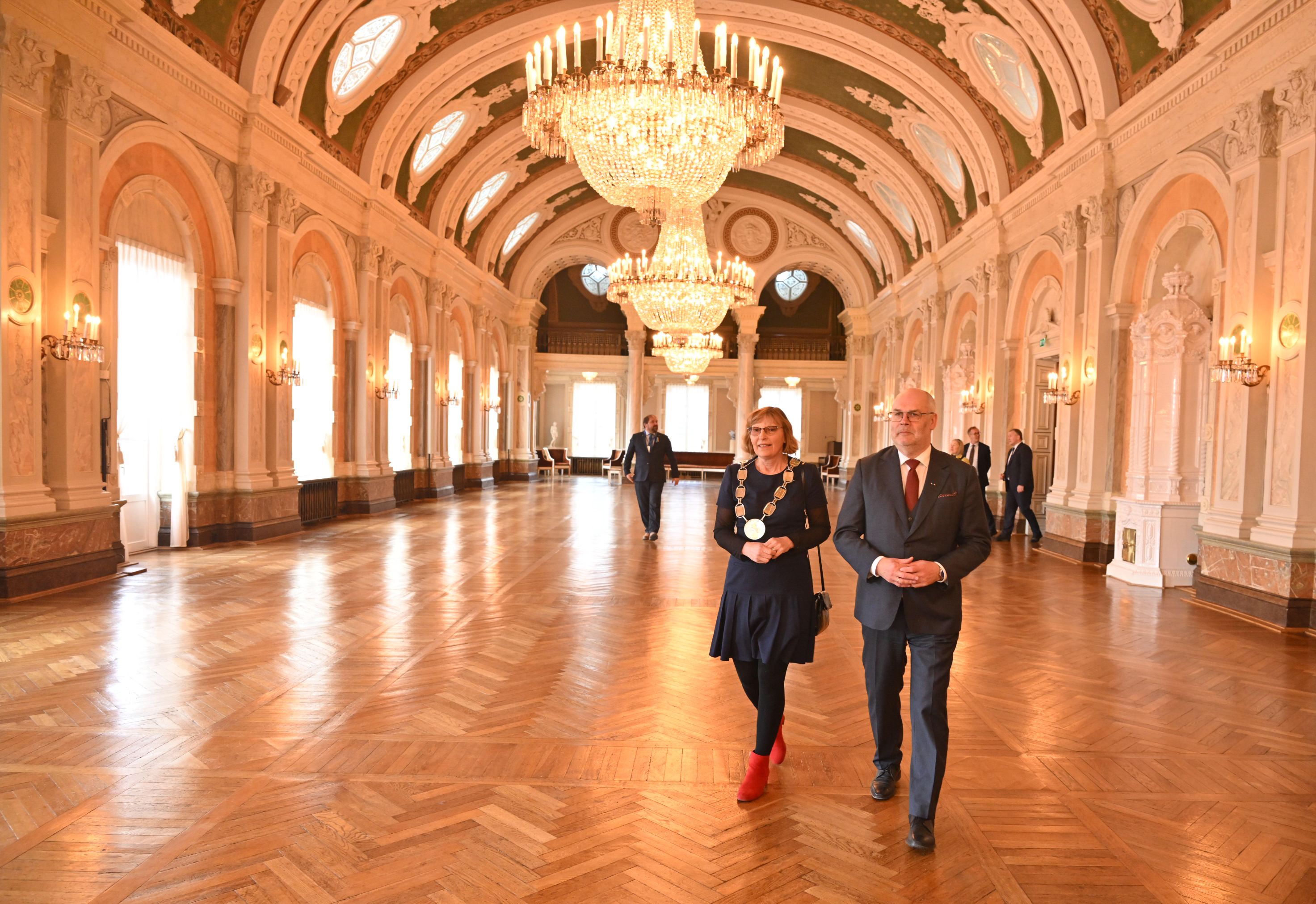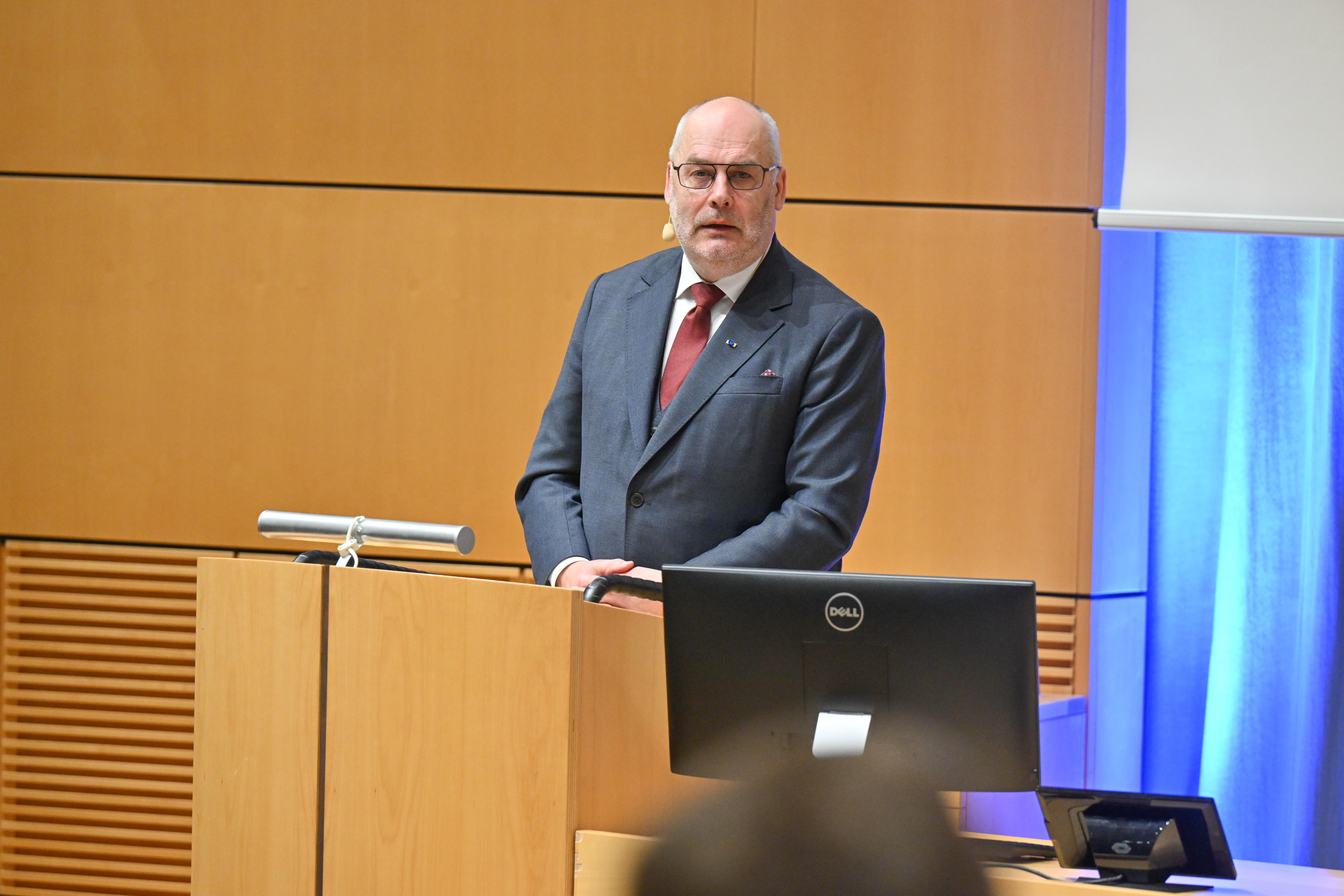
“Many of the methods used in contemporary science only become available when countries jointly invest their knowledge and funding,” he said. “Estonia’s contribution to these world-class laboratories enables our researchers to make new discoveries and advances in their work. This is the only way we can make ourselves more competitive in the fields of science and research.”
The head of state added that enhanced scientific cooperation with the Nordic countries would open the door to Estonia’s involvement in procurements pertaining to world-beating knowledge and technology. “It is much easier to do this if we have achievements to show in specific areas, such as molecular biology, genetics and materials sciences,” he said.
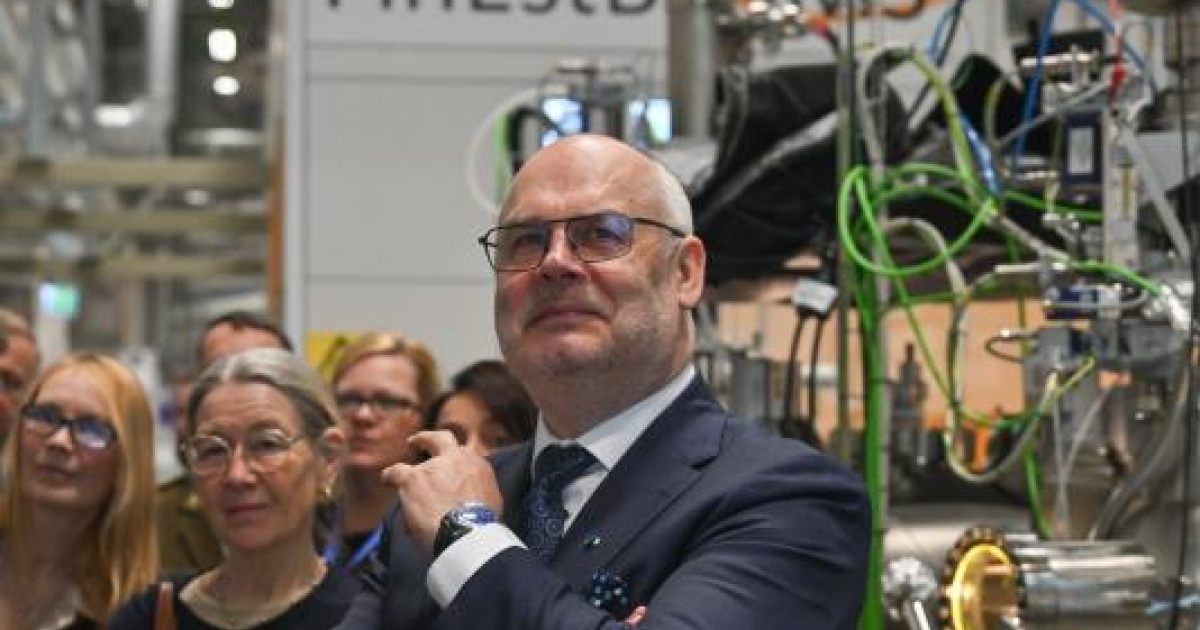
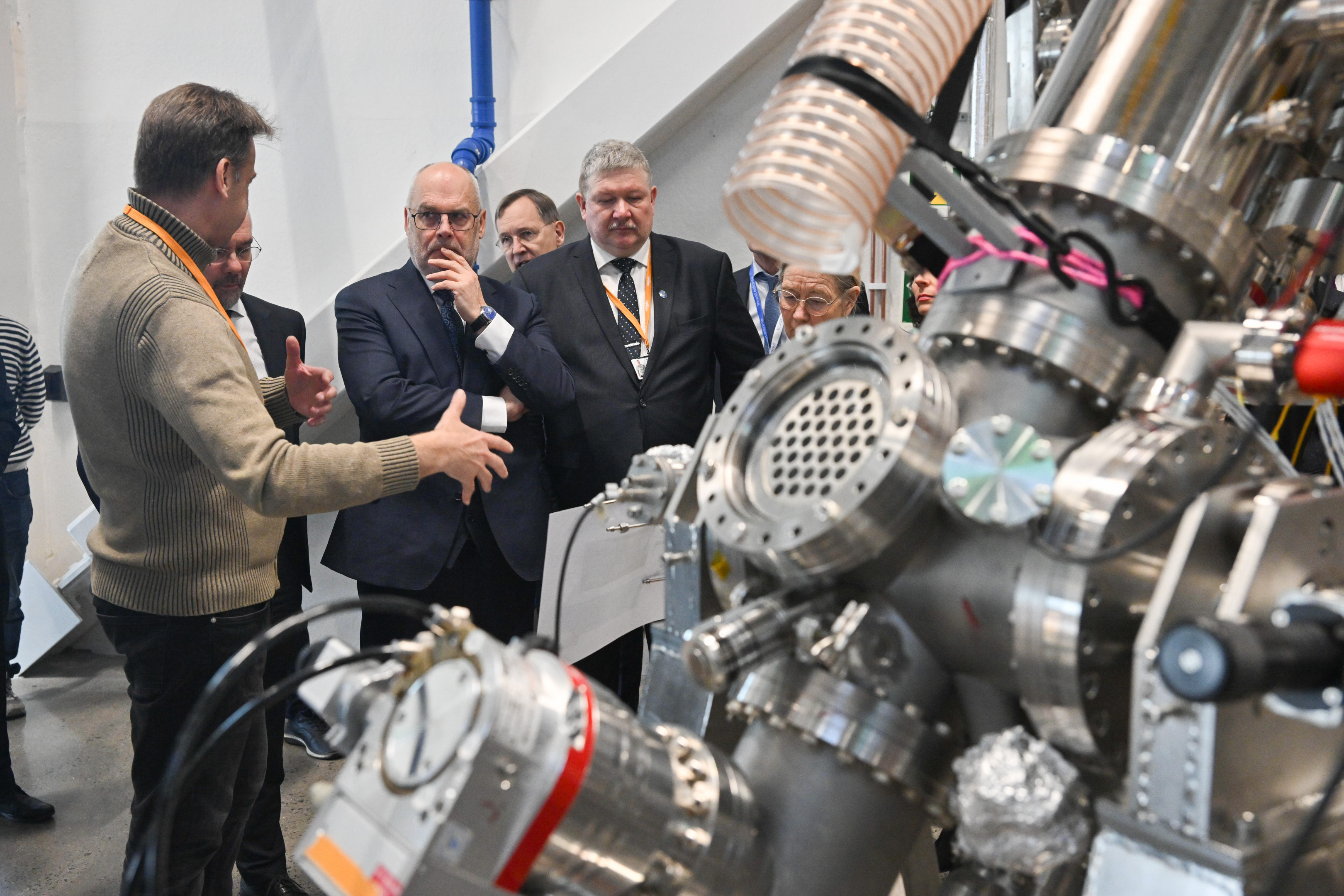
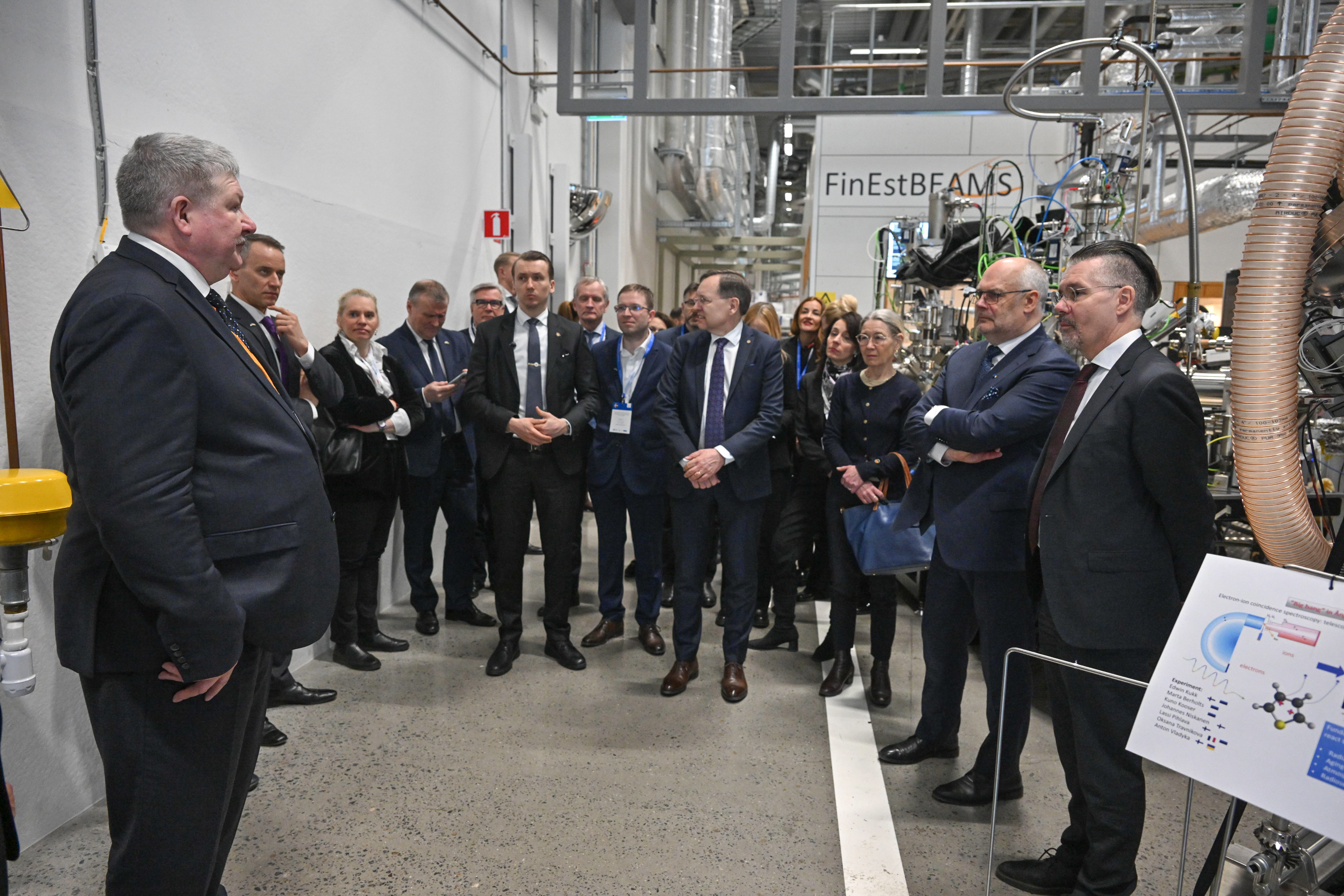
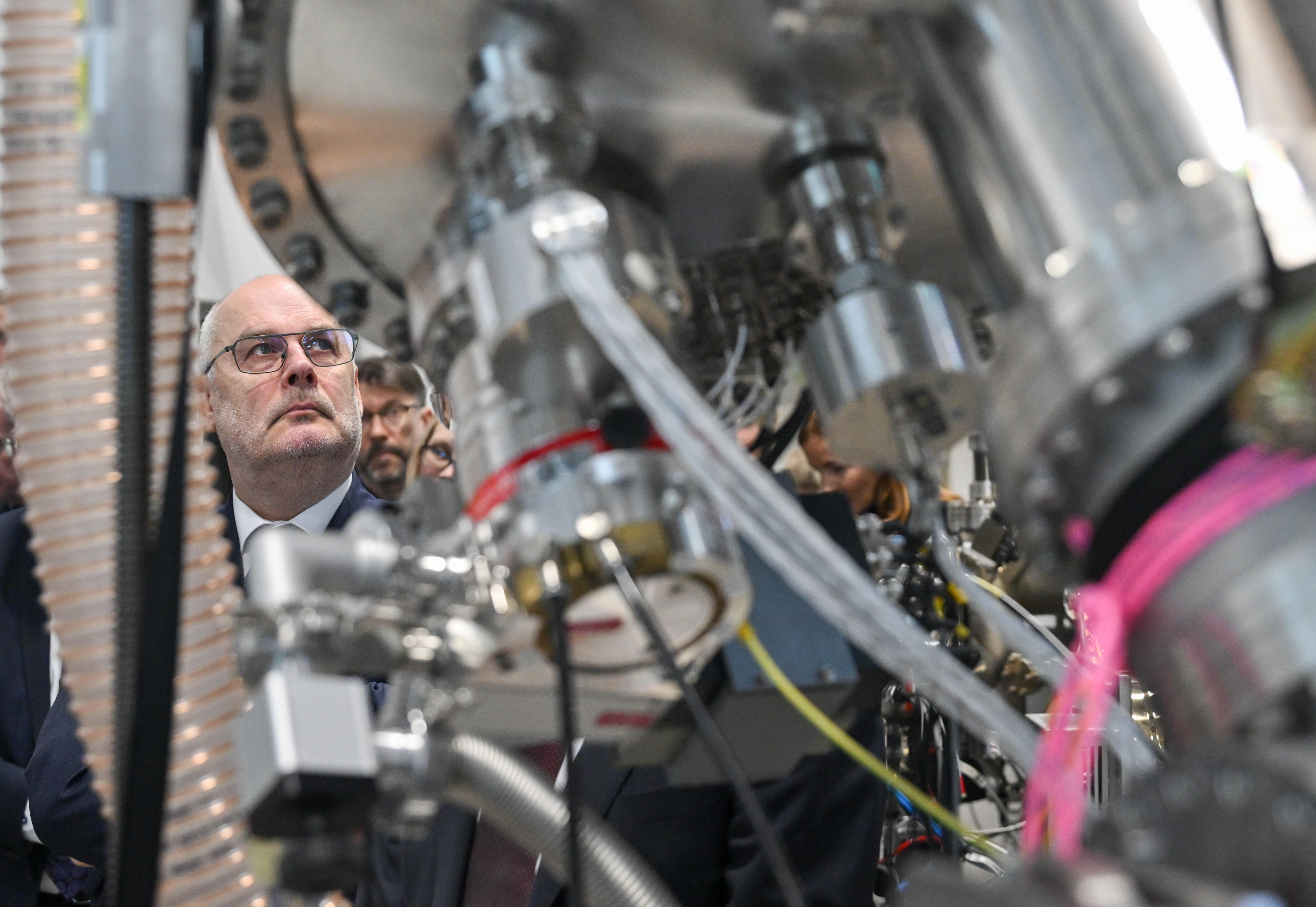
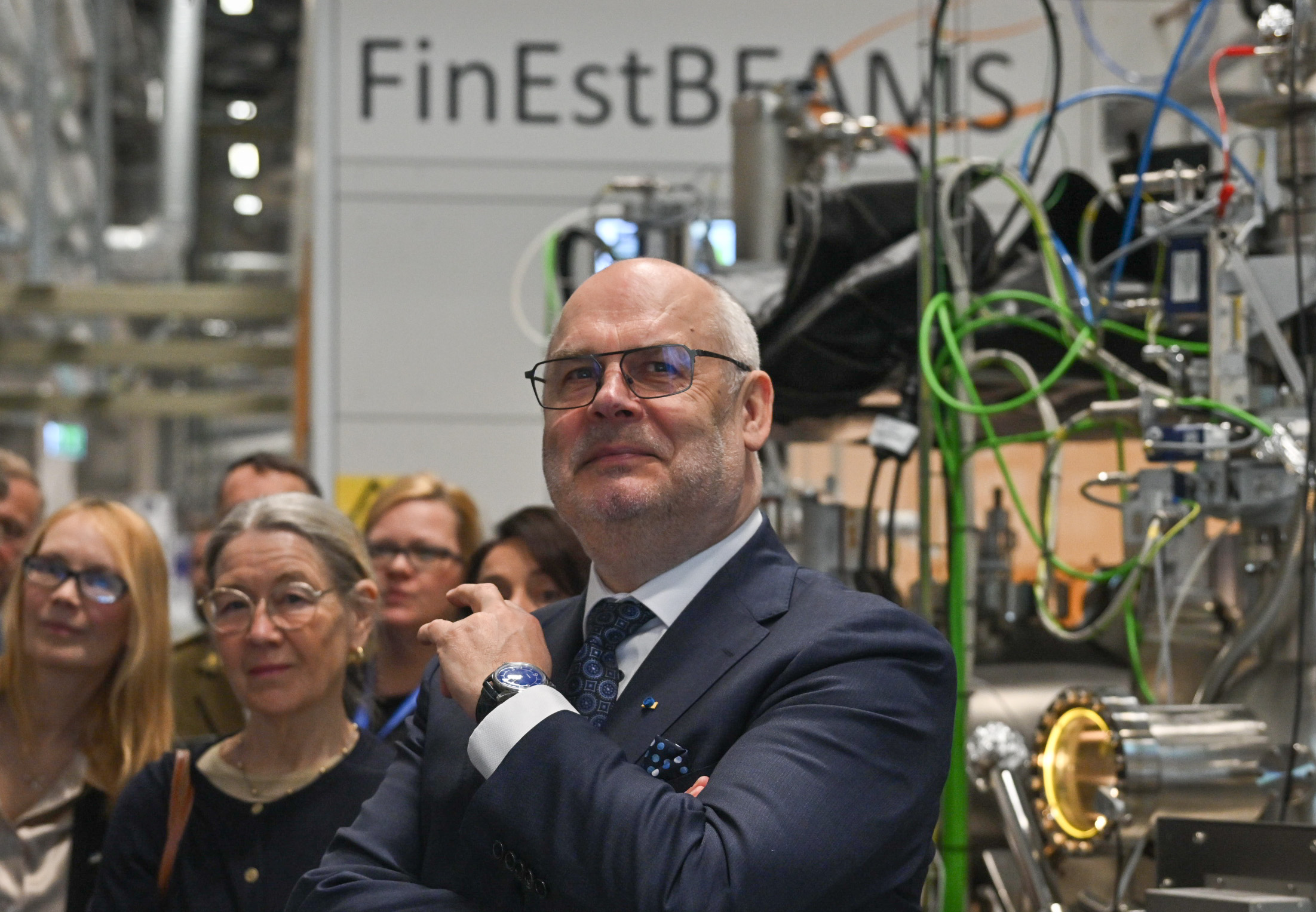
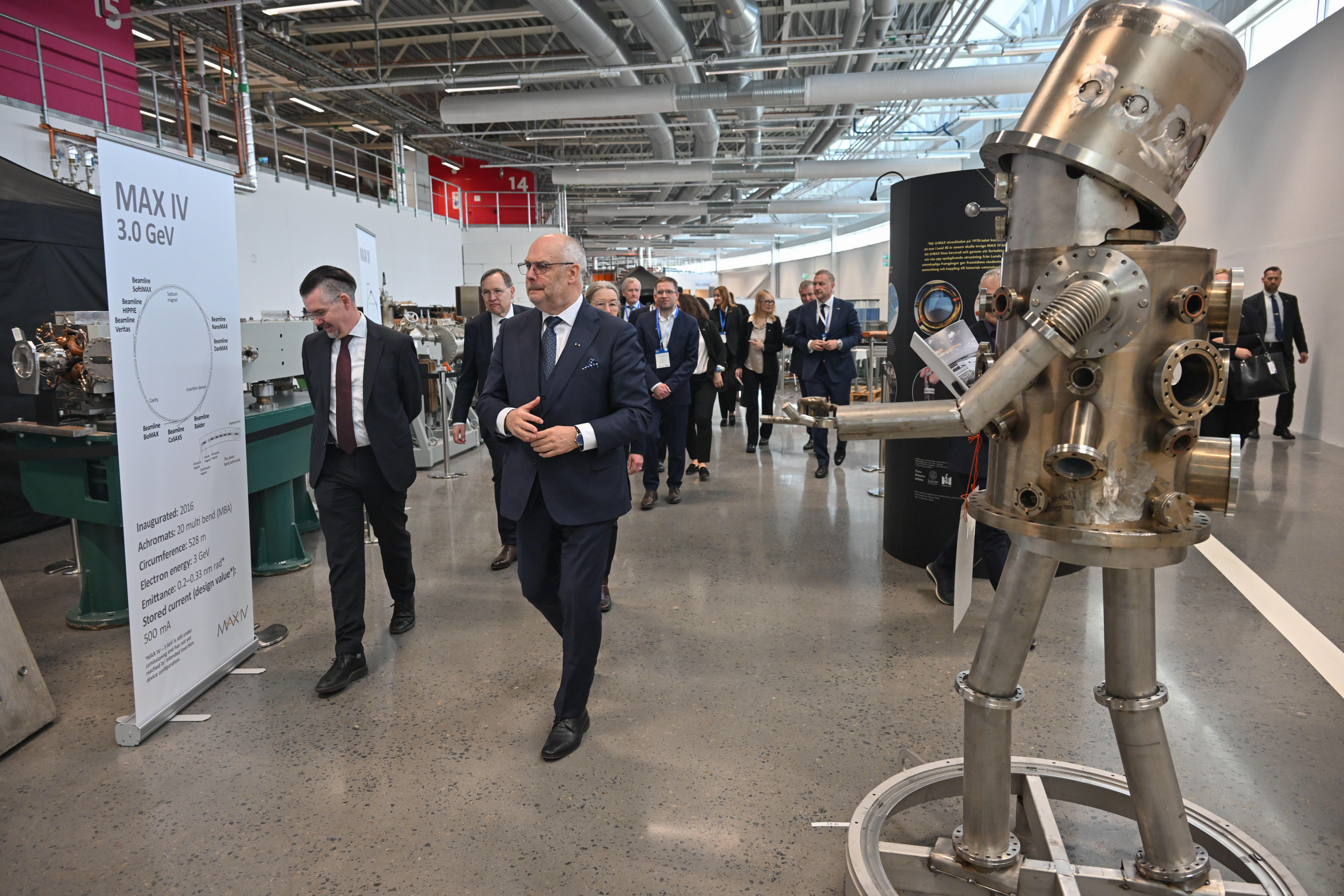
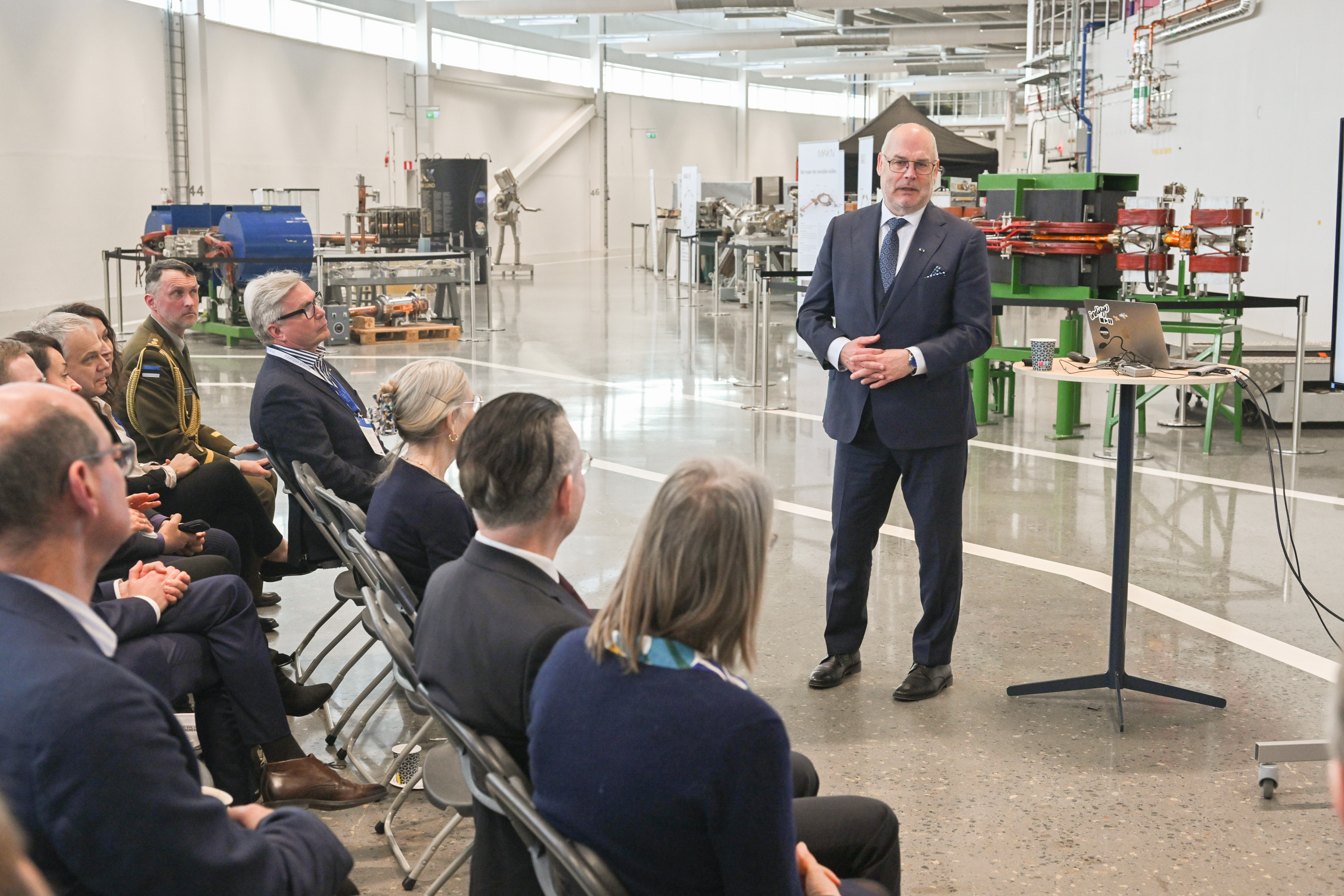
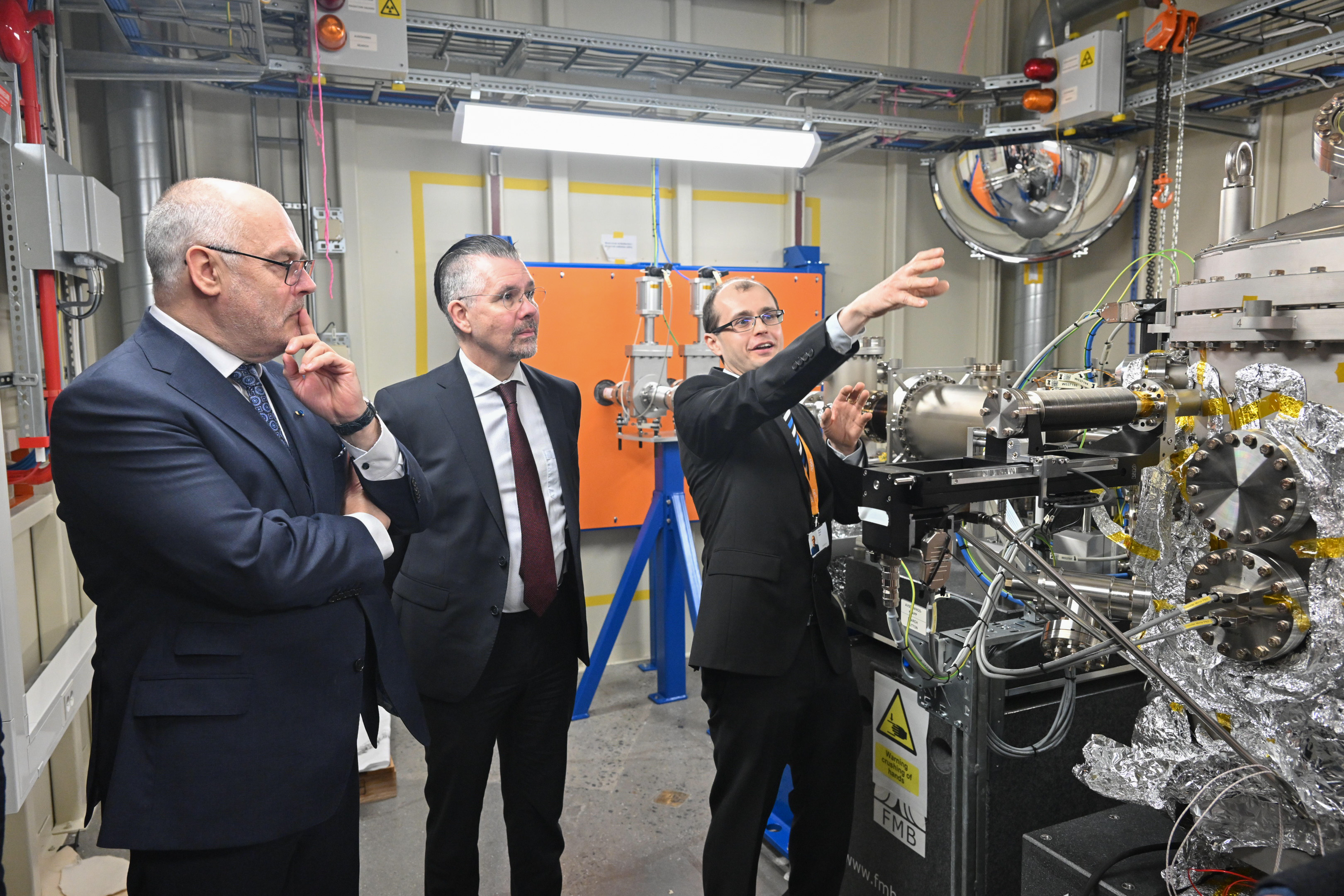
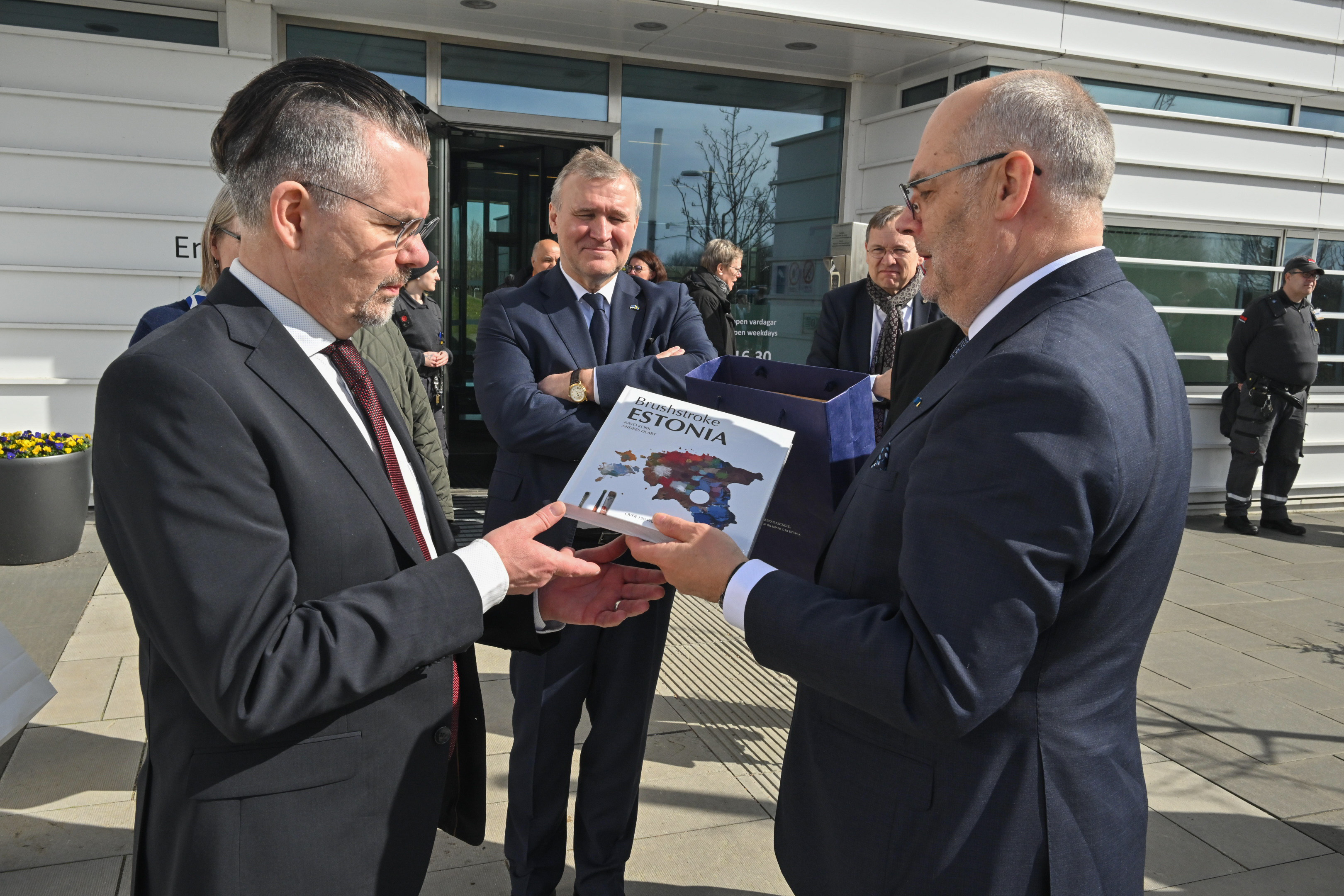
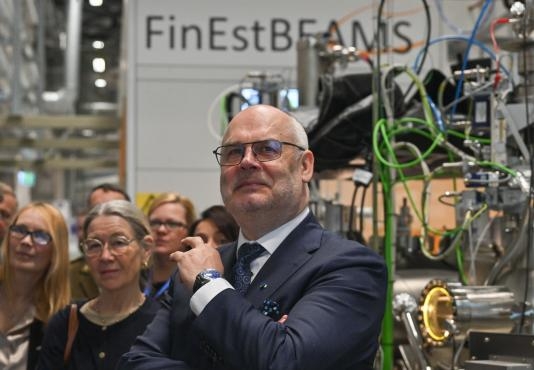
While in Lund, President Karis visited the MAX IV international research centre, which uses shortwave synchrotron radiation to study materials. There are 16 beamlines at the centre, one of which – FinEstBeam – was created through cooperation between Finnish and Estonian scientists. Taking the lead on the project on the Estonian side is the University of Tartu, partnered by TalTech and the National Institute of Chemical Physics and Biophysics. Estonia’s contribution to the construction of the beamline gives its scientists and engineers in all sectors the chance to use the centre’s beamlines in their research.
President Karis expressed his delight that the research undertaken using FinEstBeam had already significantly increased the number of high-level scientific publications coming out of Estonia. “I hope this leads to further innovation and enterprise in our country,” he said.
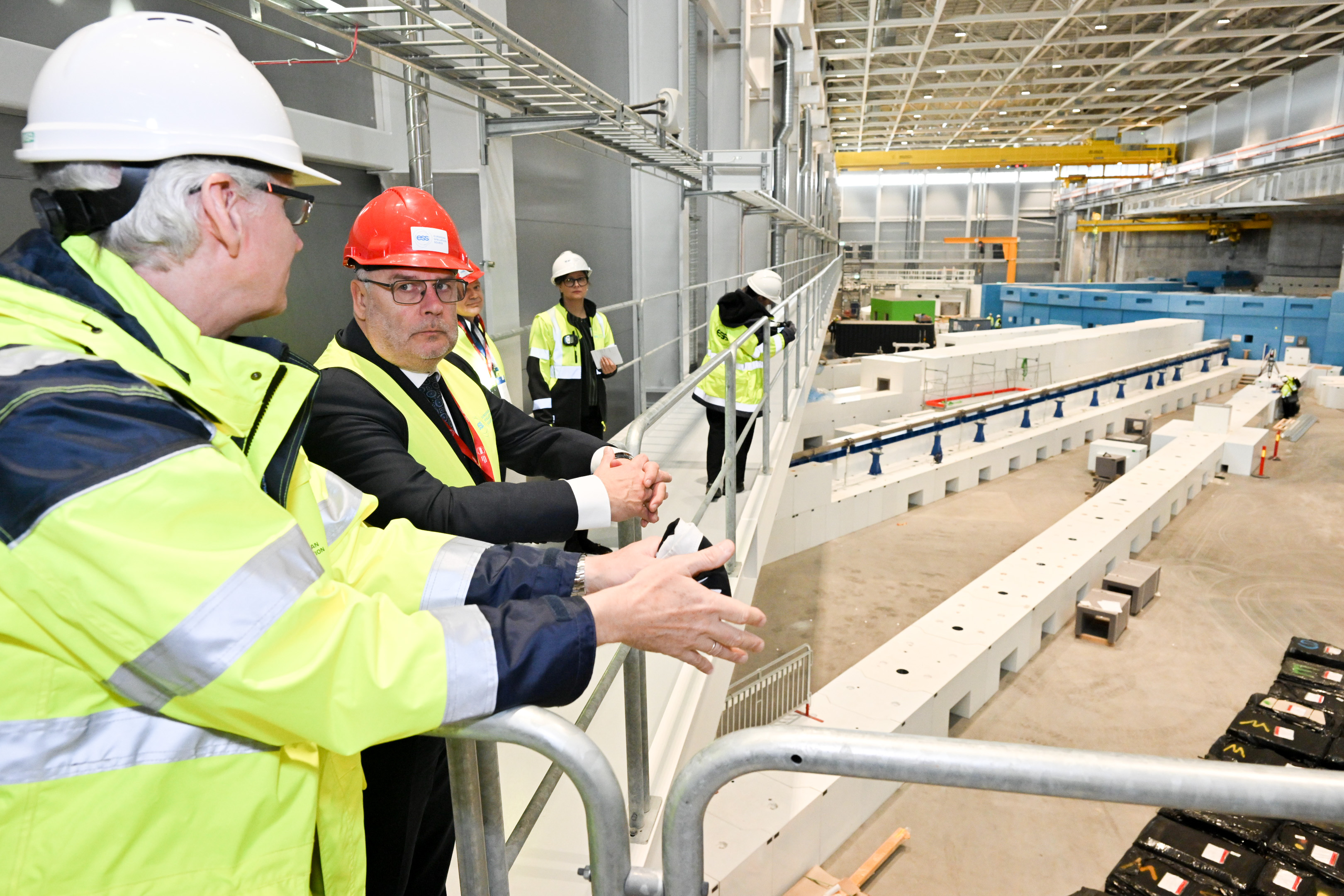
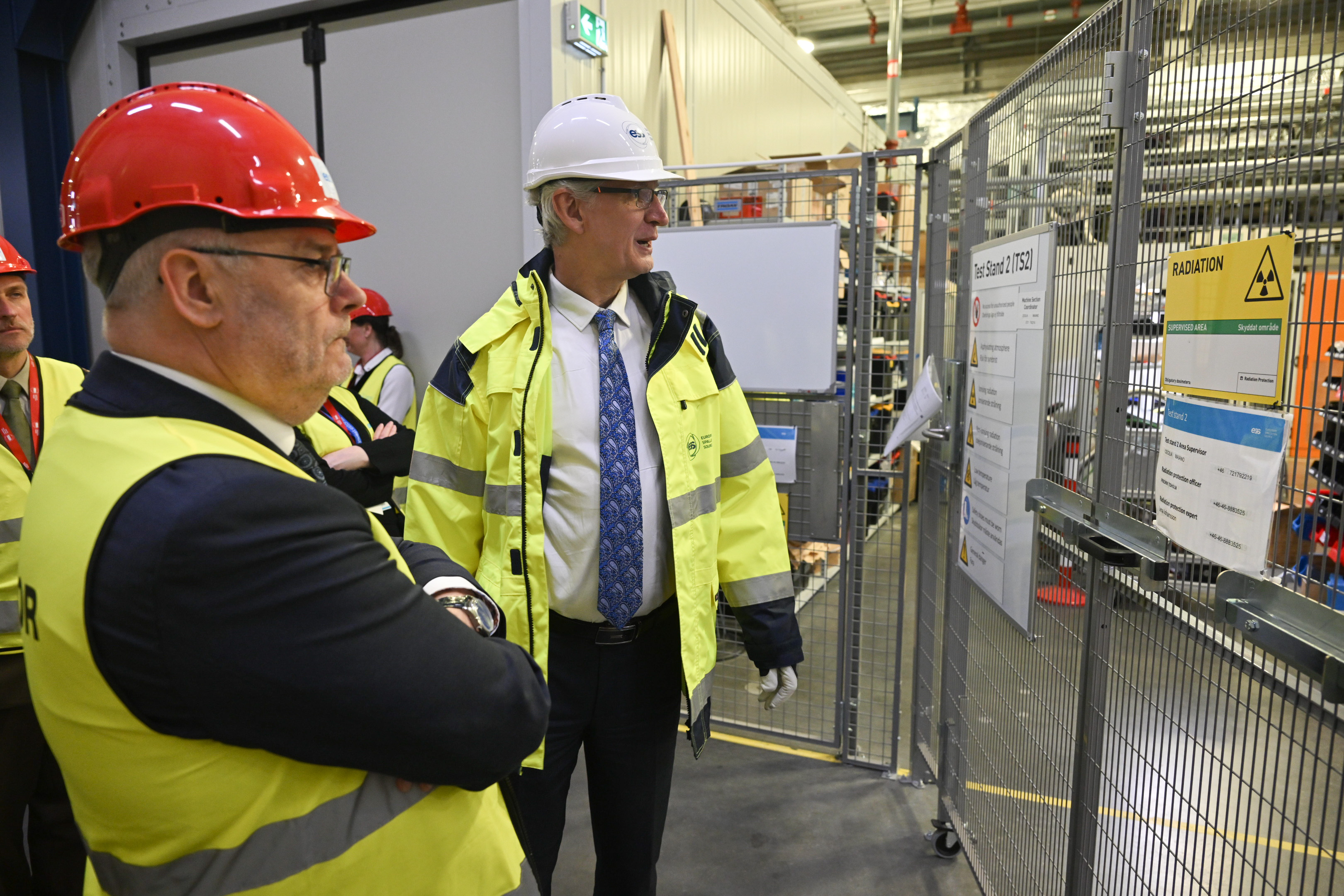
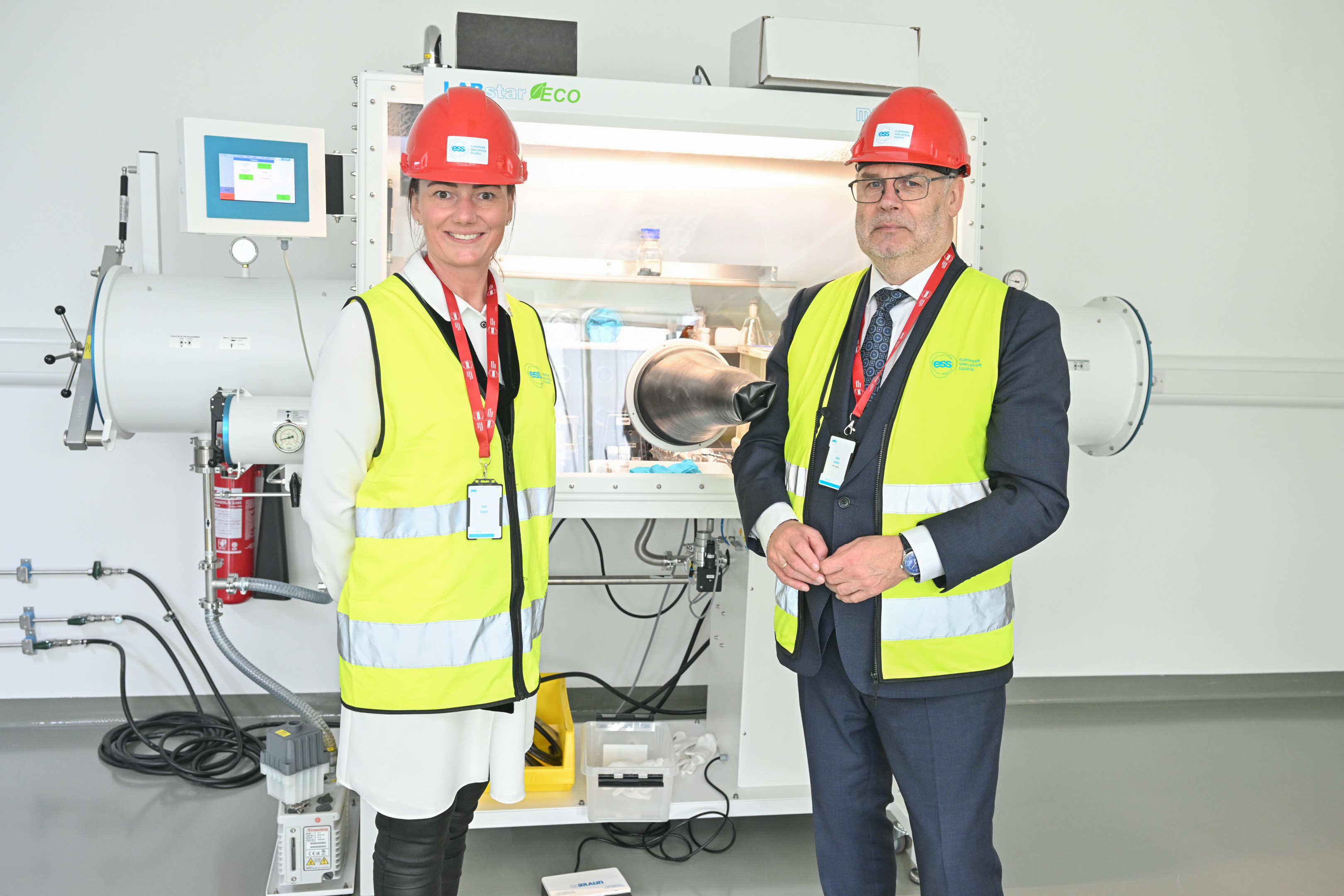
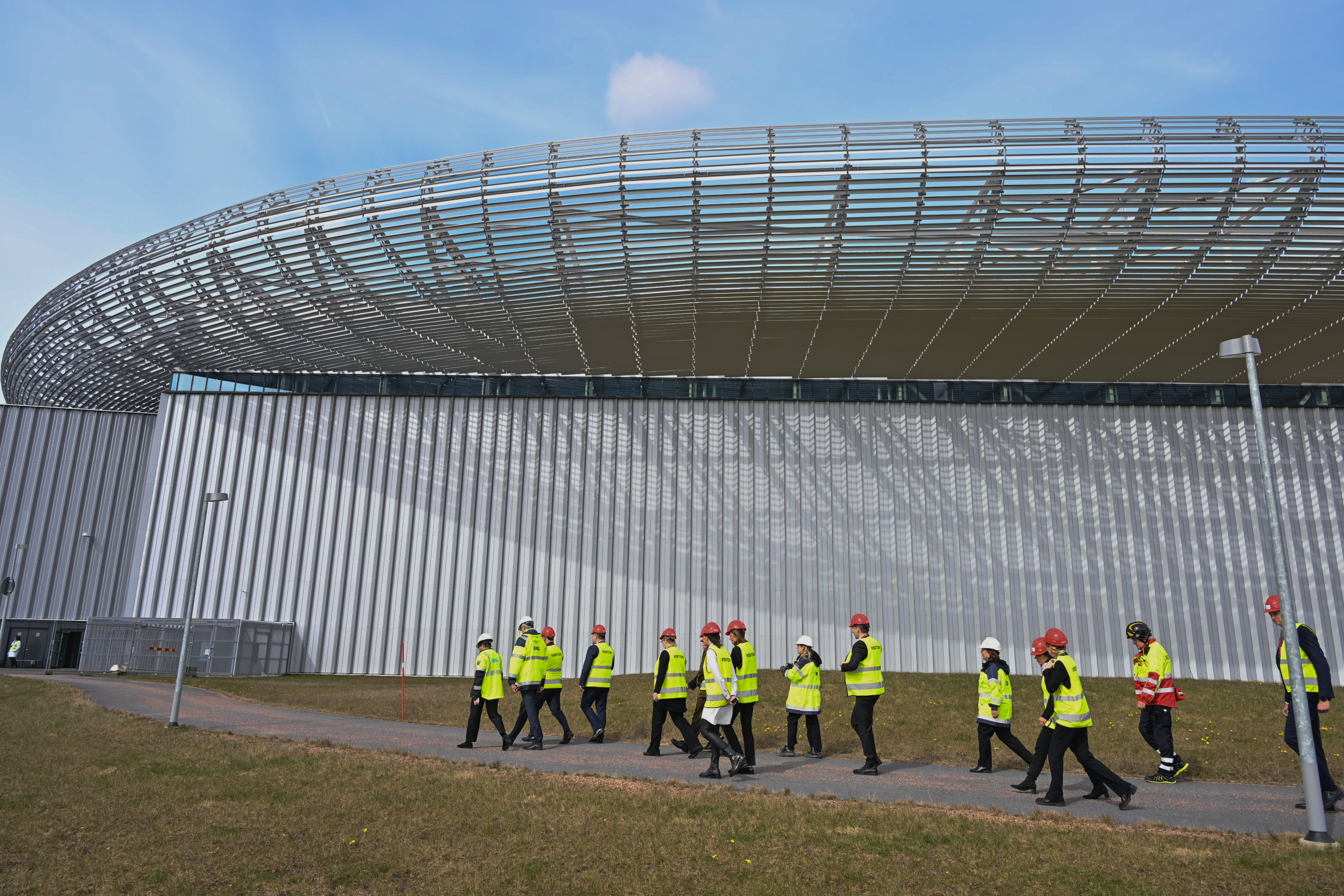
The head of state also visited the European Spallation Source, whose construction has reached the final stage. Estonia is one of 13 countries which has contributed to the building of the centre. At its core is the world’s most powerful 600-metre proton accelerator, which can be compared to a giant microscope: one in which protons provide researchers with an extraordinary opportunity to look inside existing materials and develop completely new ones. The protons enable the observation of lighter atomic cores such as those of nitrogen, which play a determining role in biological processes. This provides very effective support in studies in such fields as biology and medicine.
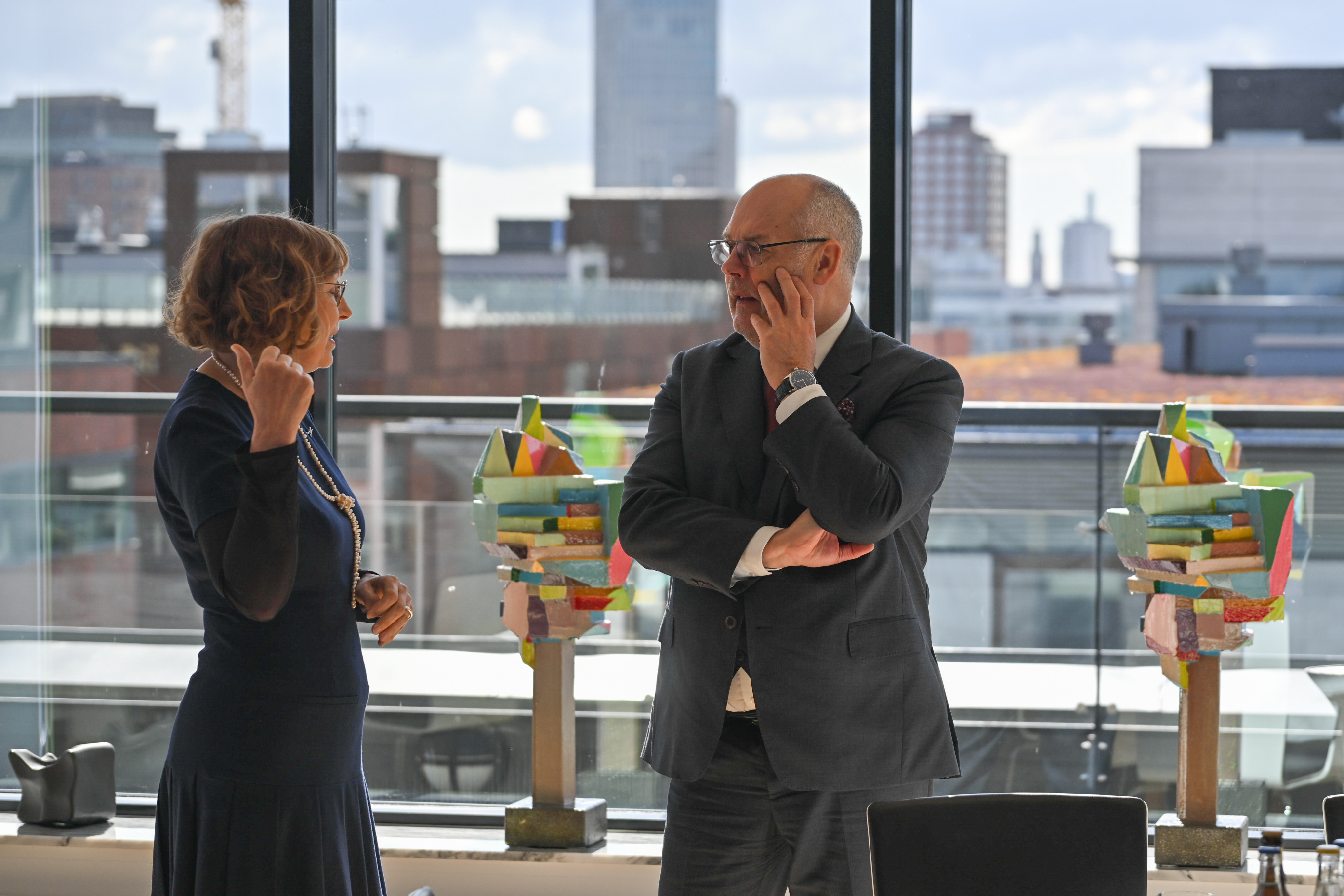
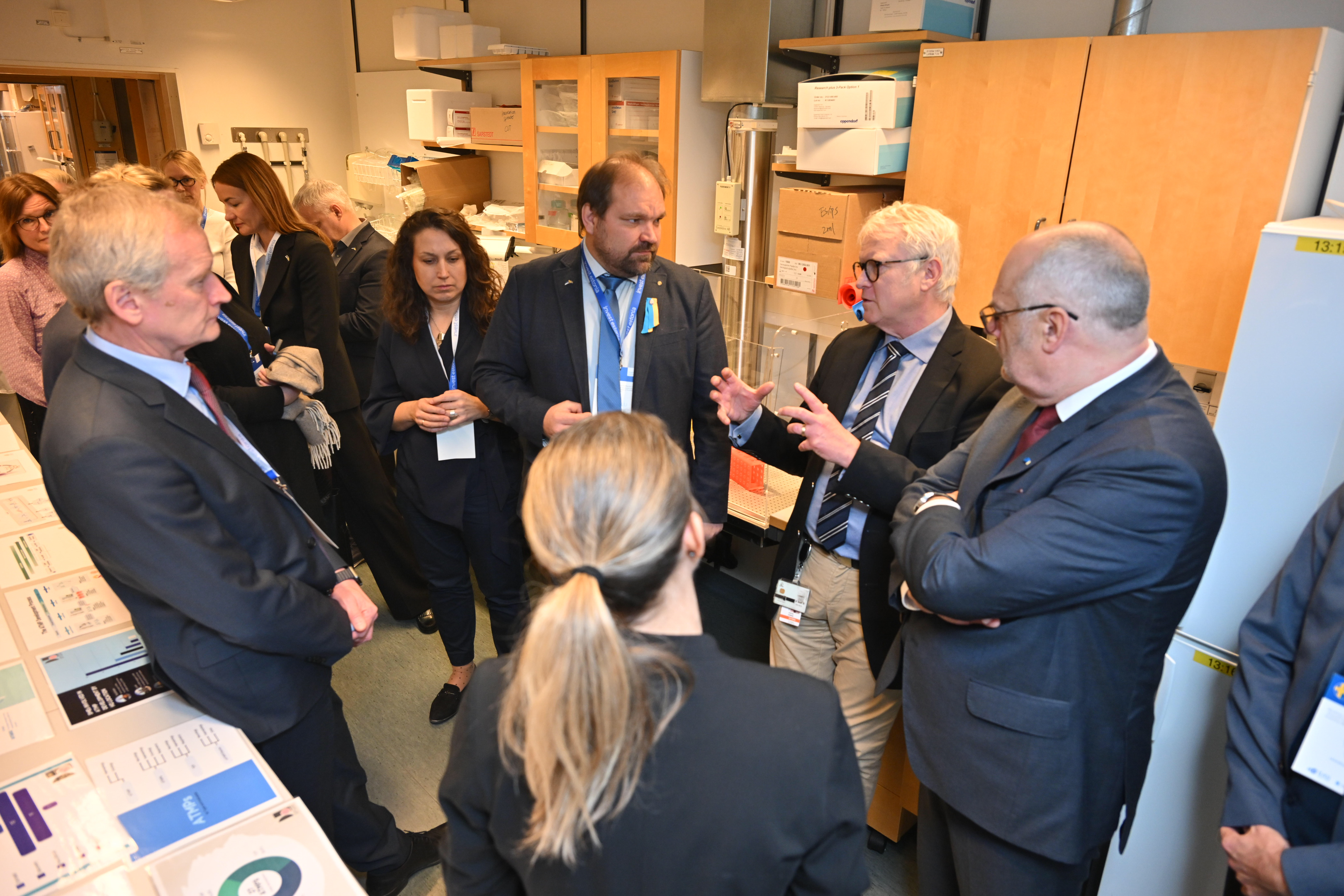
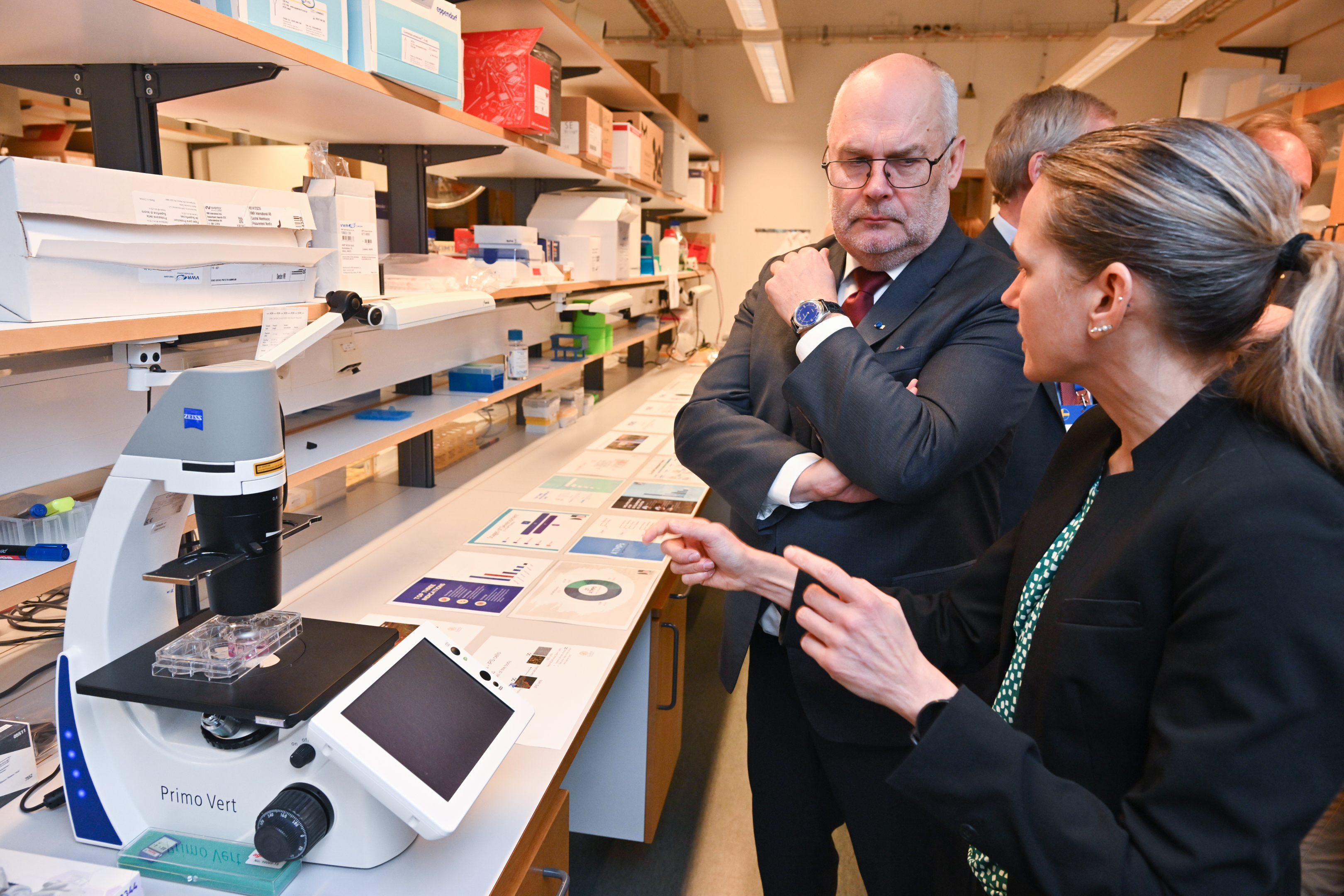
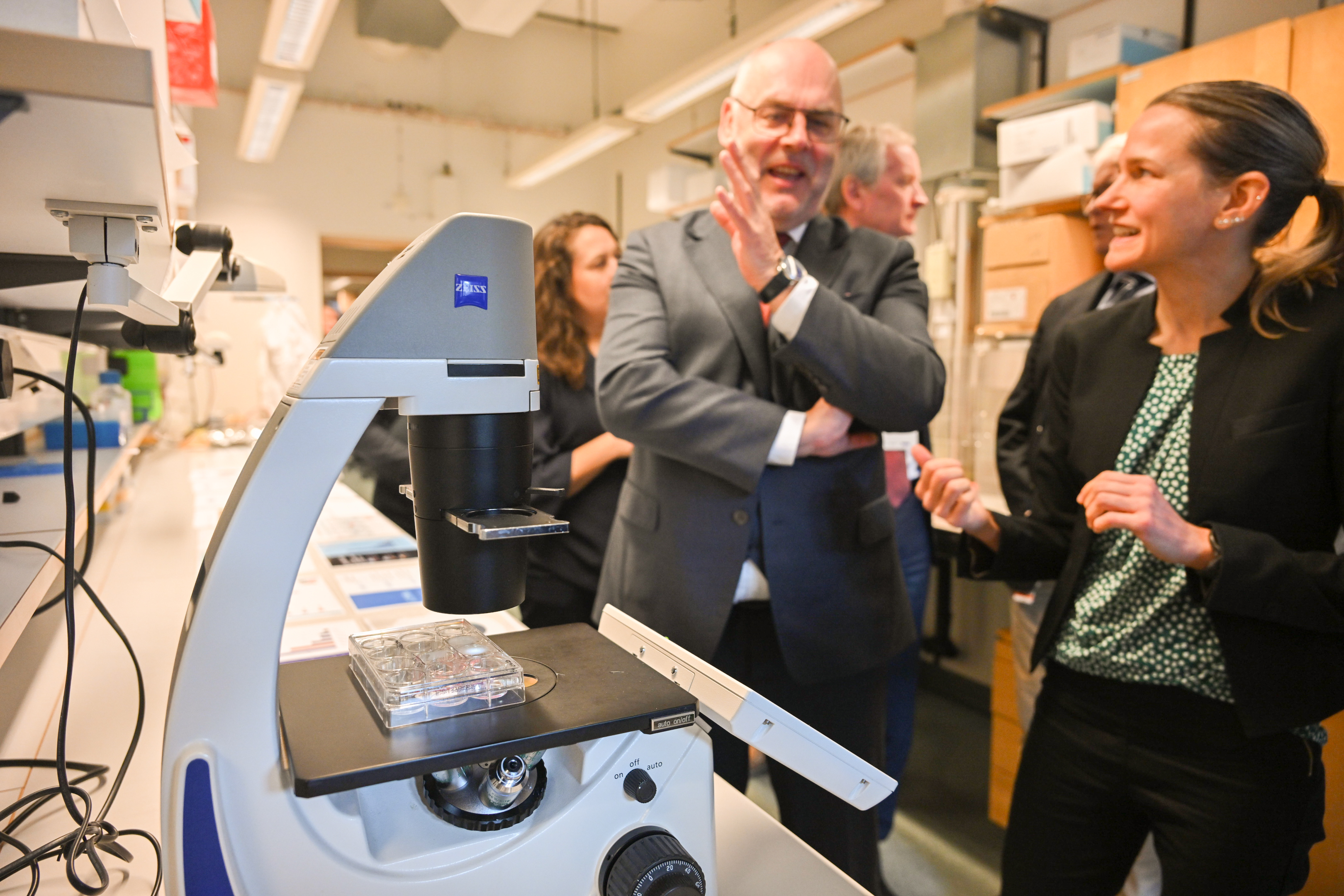
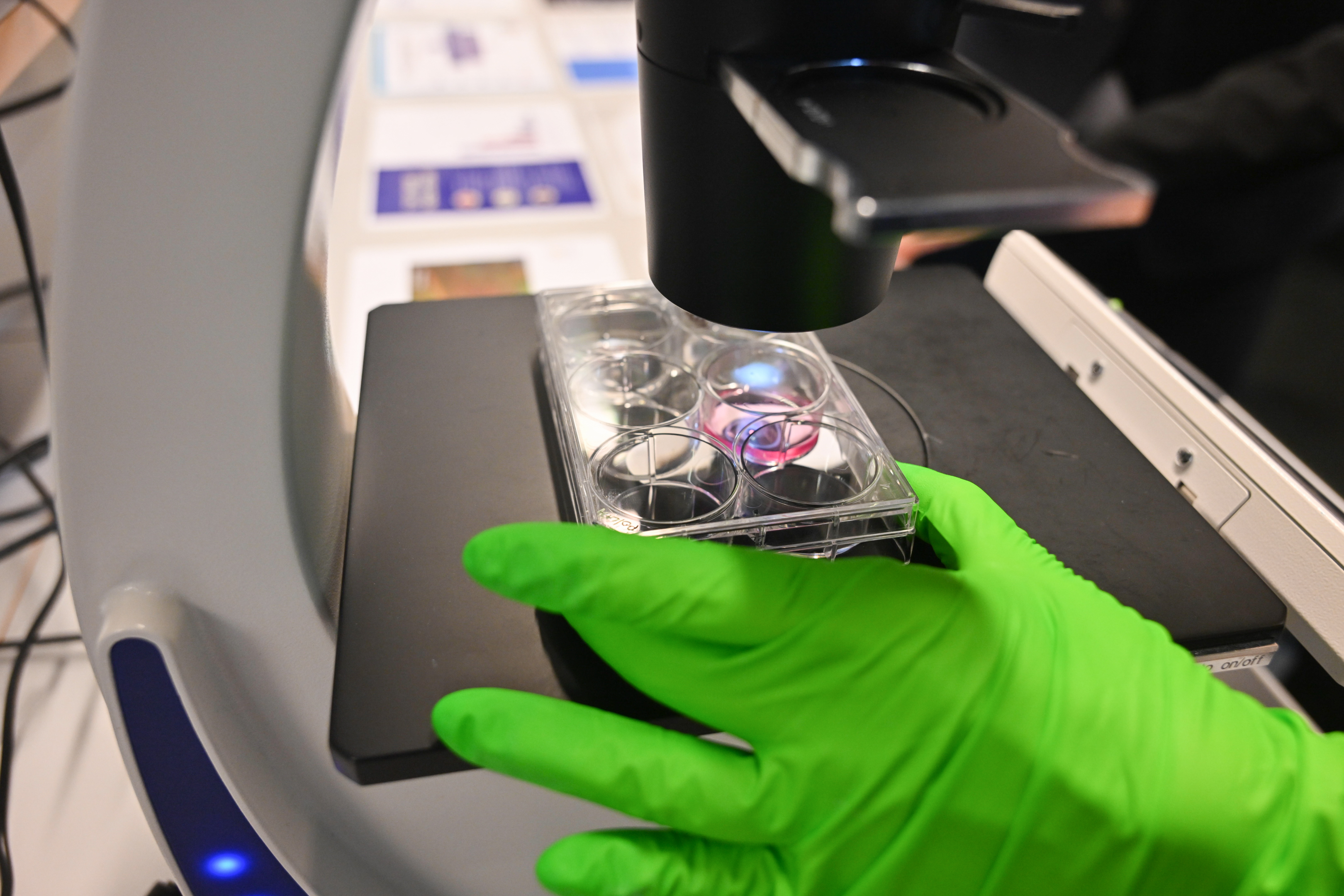
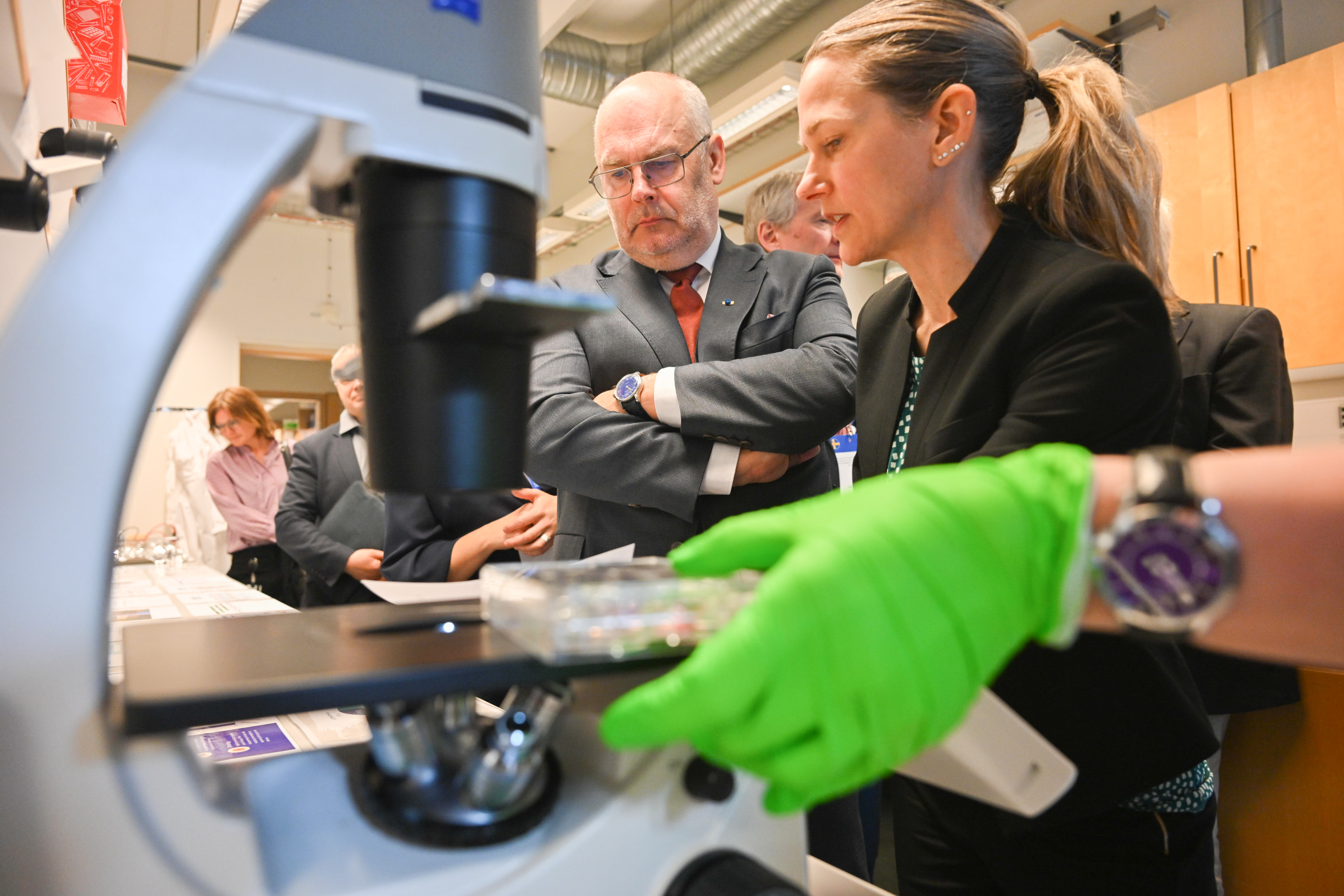
During his time in Southern Sweden, President Karis also visited NanoLund, the nanotechnology centre attached to Lund University. This evening he will be meeting at Lund’s Estonian House with members of the local Estonian community and with students from Lund University to talk about the security situation in Europe, scientific research cooperation between Estonia and Sweden and the cultural and historical ties that bind the two countries together.