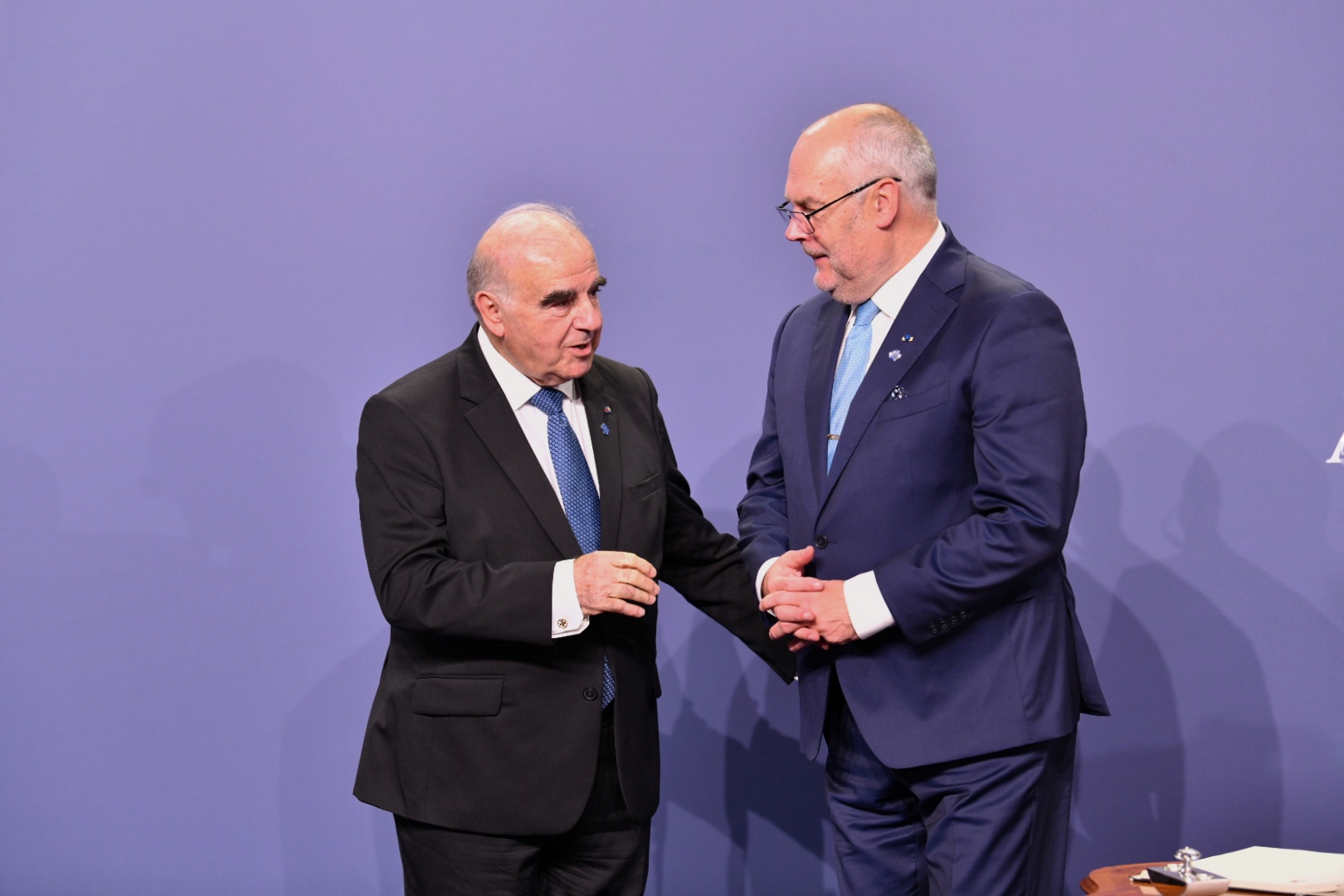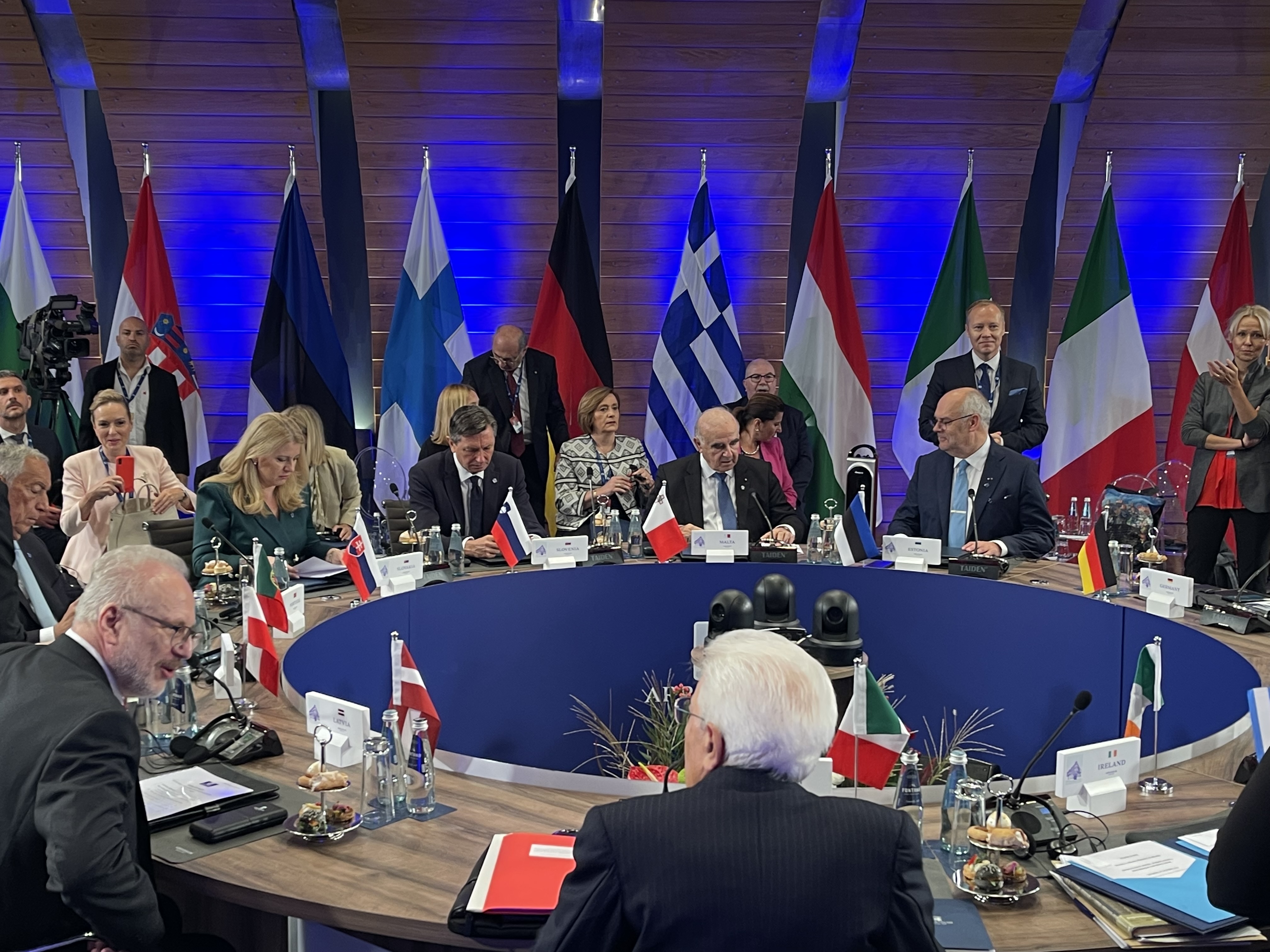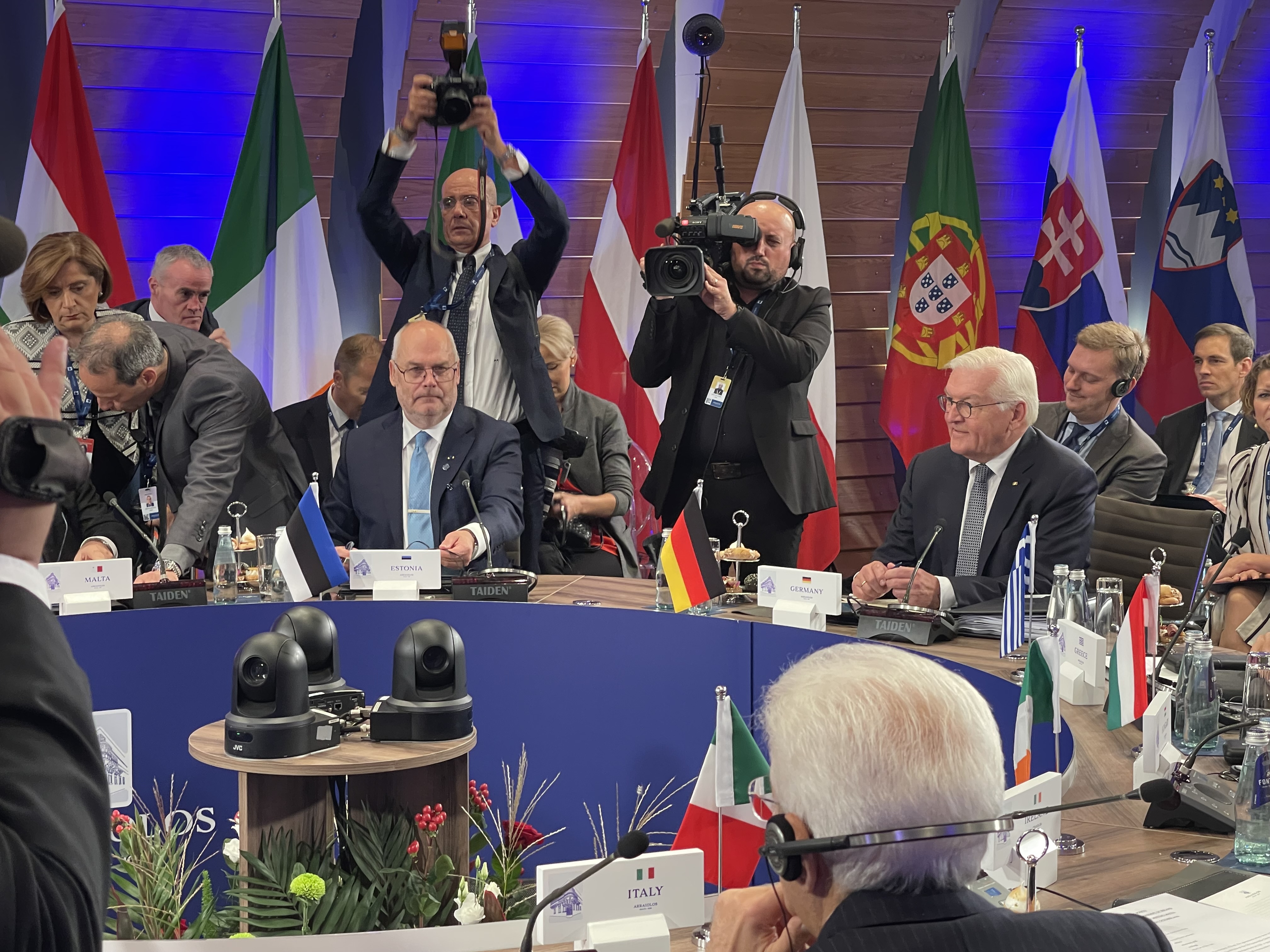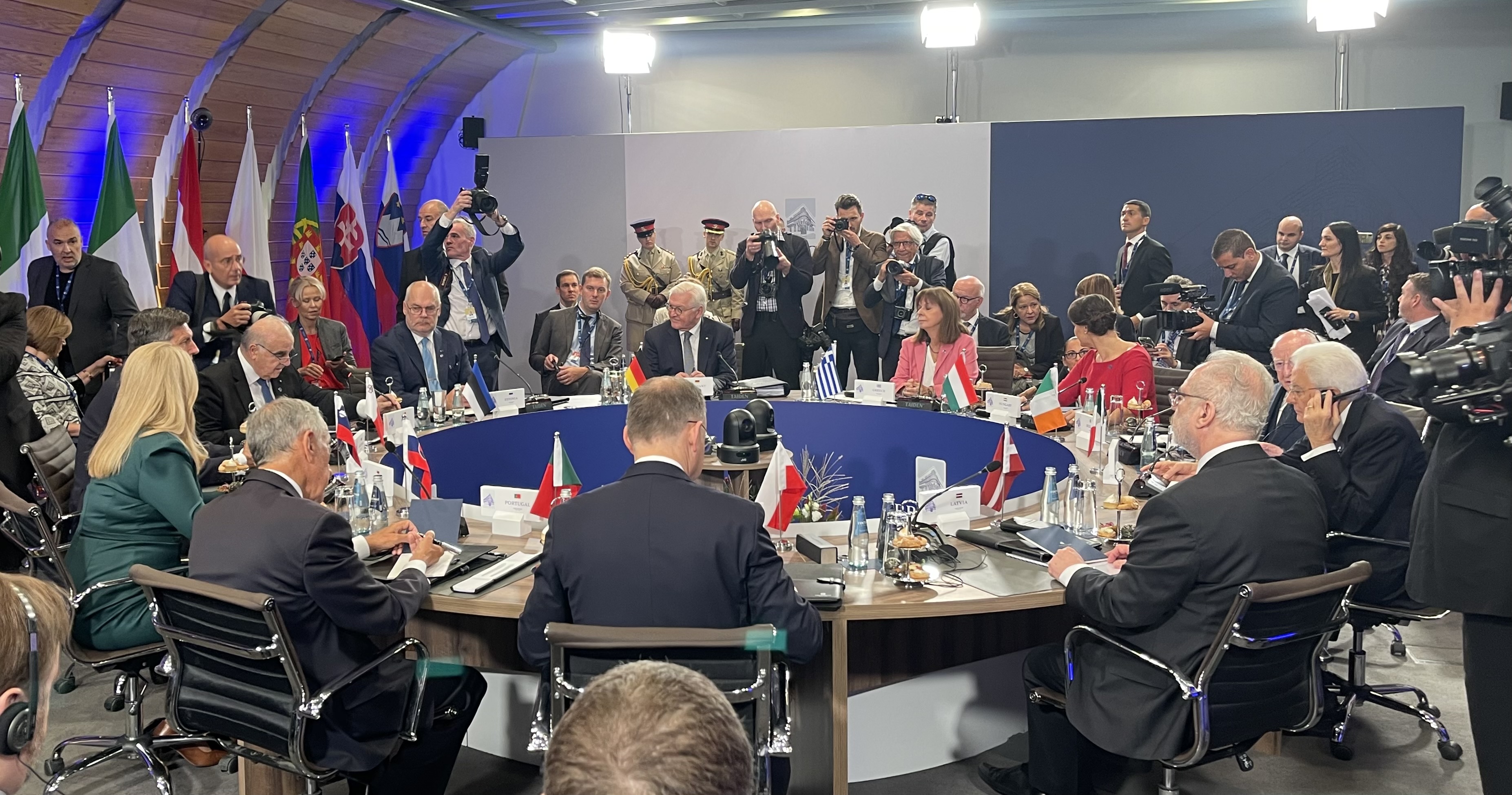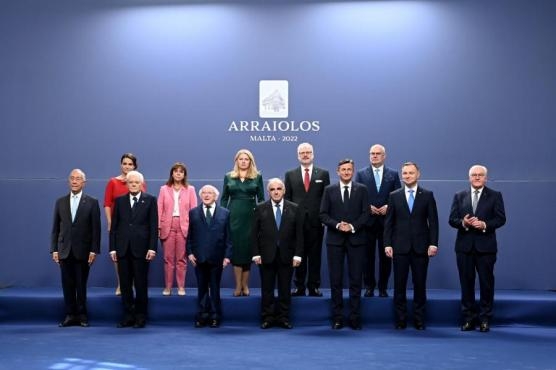
The heads of state discussed security in countries to the east and south of the EU, including Russia’s aggression against Ukraine and the global role of the European Union. President Karis says the expansion of the EU and proactive cooperation with neighbouring countries represent geostrategic investments in the security of Europe as a whole. “To which there is no alternative,” he added. “I feel this has become very clear in the wake of Russia’s aggression.”
The Estonian head of state cautioned that leaving neighbouring countries that want to be part of the European family to fend for themselves will only escalate tensions and lead to conflict. “It is in our interests for Europe to be governed by peace and democracy, and to that end European integration must continue,” he advised. “It is in the strategic interests of the EU that every country that wishes to belong or stand as a close partner to the union has the possibility to do so. The expansion of the EU has been the most effective means of extending the reach of democracy, economic growth and prosperity on our continent. Estonia has long supported this and will continue to do so.”
President Karis stressed the need to bring to an end the EU’s economic and energy dependence on authoritarian partners. “Our union must be able to form viewpoints and make decisions without the risk of being blackmailed by countries which have no respect for international rules and laws and which subscribe to the doctrine that might is right,” he said.
The head of state added that history has taught Europe a salient lesson. “Authoritarian partners do not make trustworthy partners,” he remarked. “They have no qualms about using economic dependence against us. At the moment we can see that Russia is waging war on a number of fronts simultaneously, using energy security as one of its weapons.”
President Karis also touched upon the importance of the EU Cohesion Policy, the promotion of reliable infrastructure projects and the need to contribute more to initiatives like the Global Gateway and the Three Seas Strategy, the latter of which he described as being vital to the establishment of dependable energy and transport links. “The war on our doorstep has clearly shown that the better connected we are, the stronger and more resilient we are,” he said. “This is crucial from the point of view of our food, energy and economic security, and it also forms a key basis of military cooperation. Imagine a situation where we needed to send military or humanitarian aid from the north of Europe to the south of the continent.”
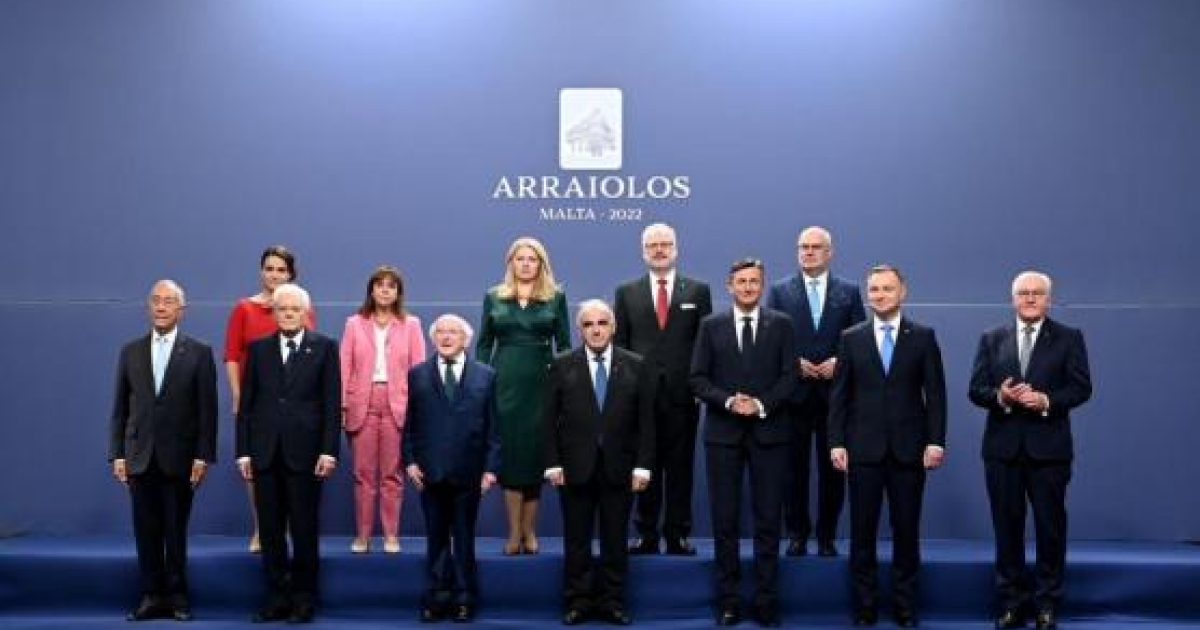
The 13 heads of state attending the meeting also focussed on the EU’s fight against disinformation, agreeing that it was necessary to increase efforts in strategic communication in order to combat the spread of lies. “We must be better communicators in our battle against disinformation,” President Karis said.
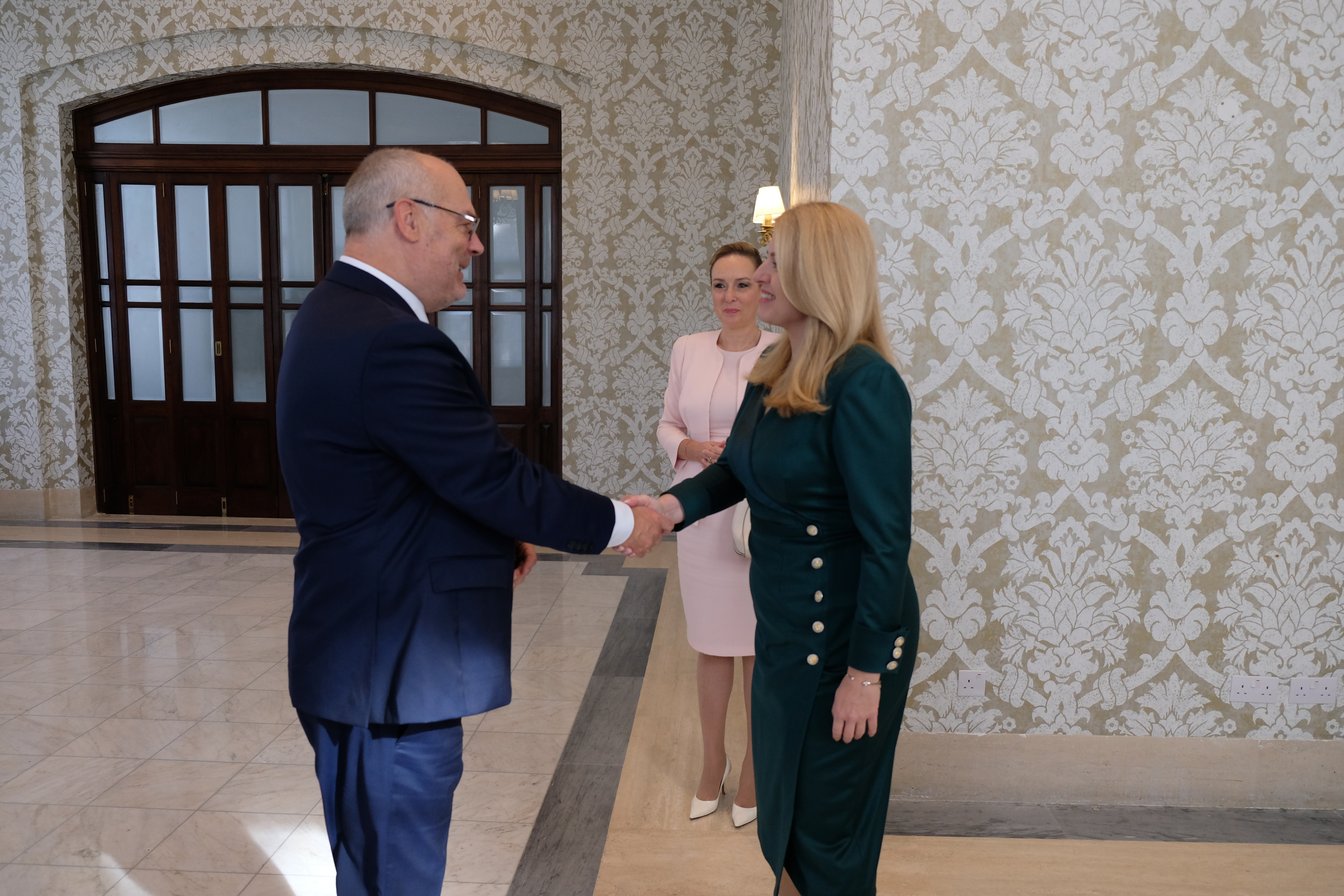
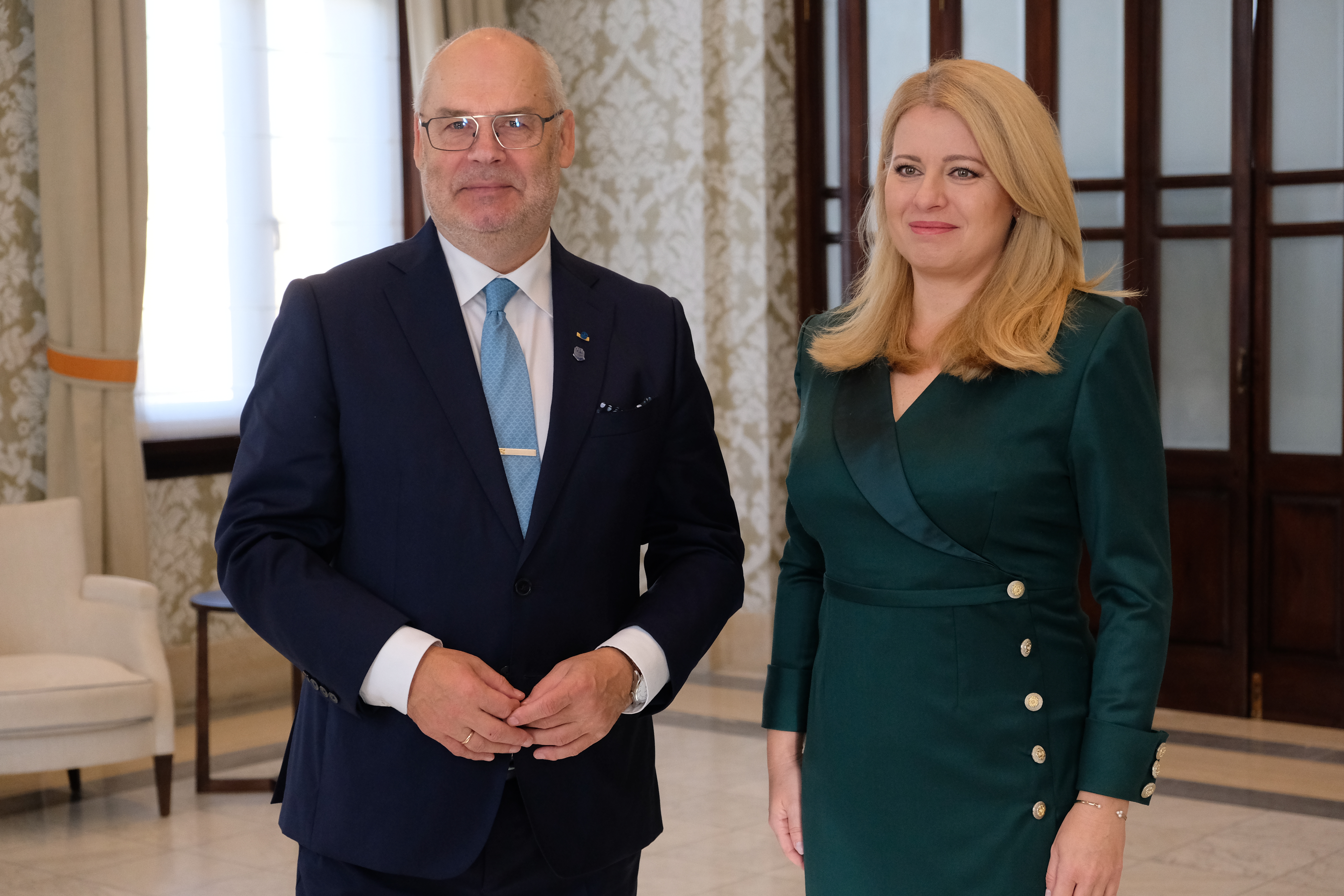
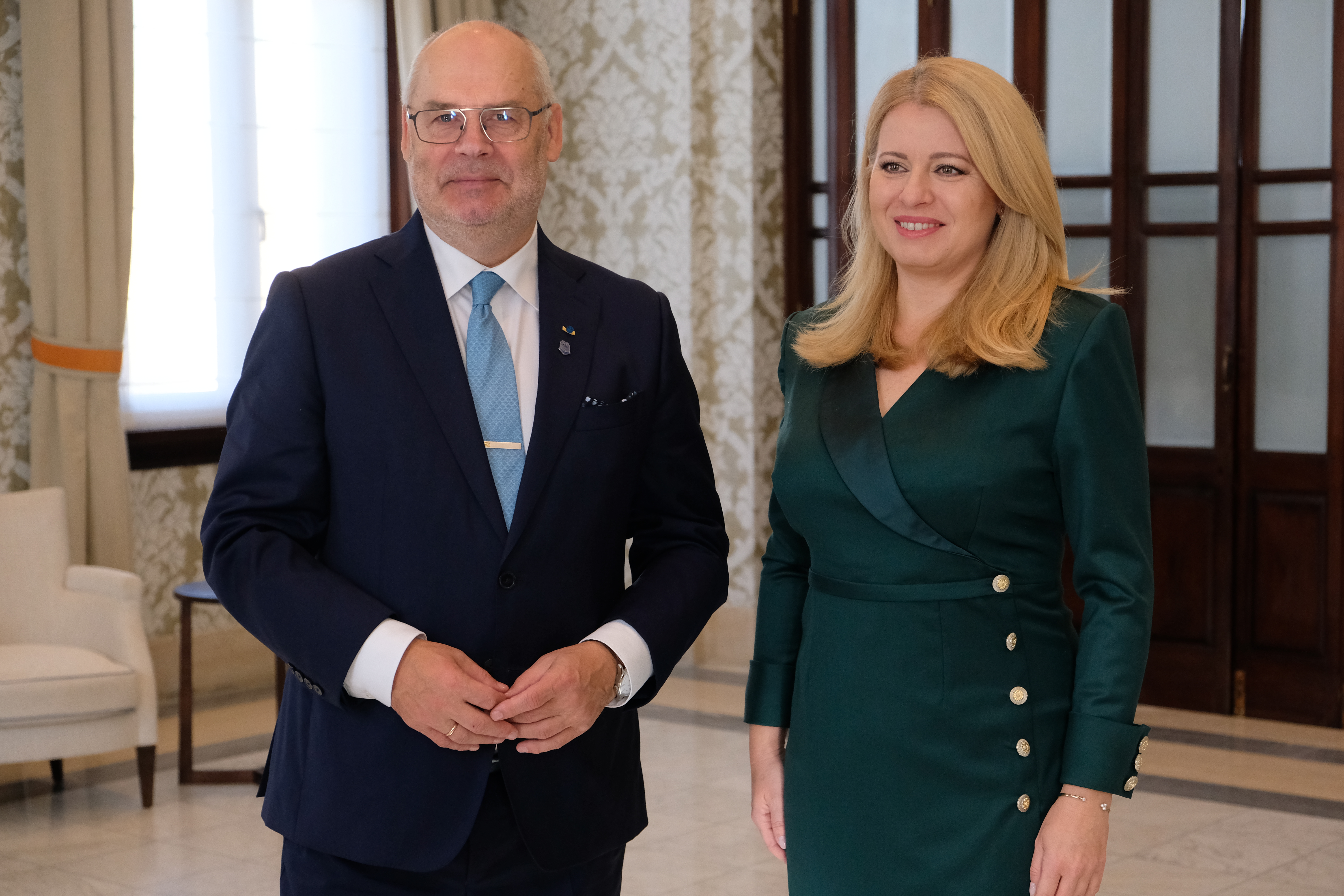
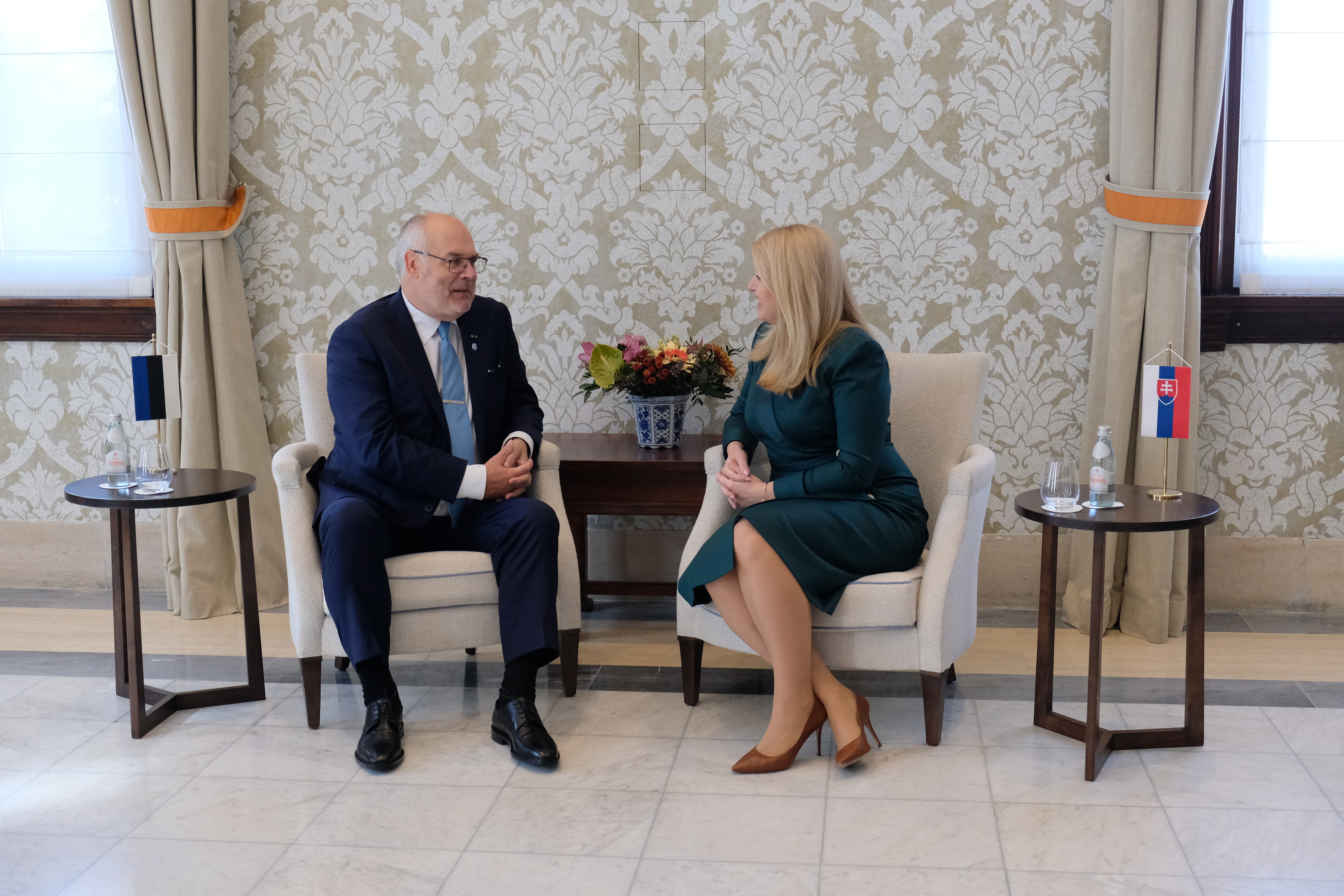
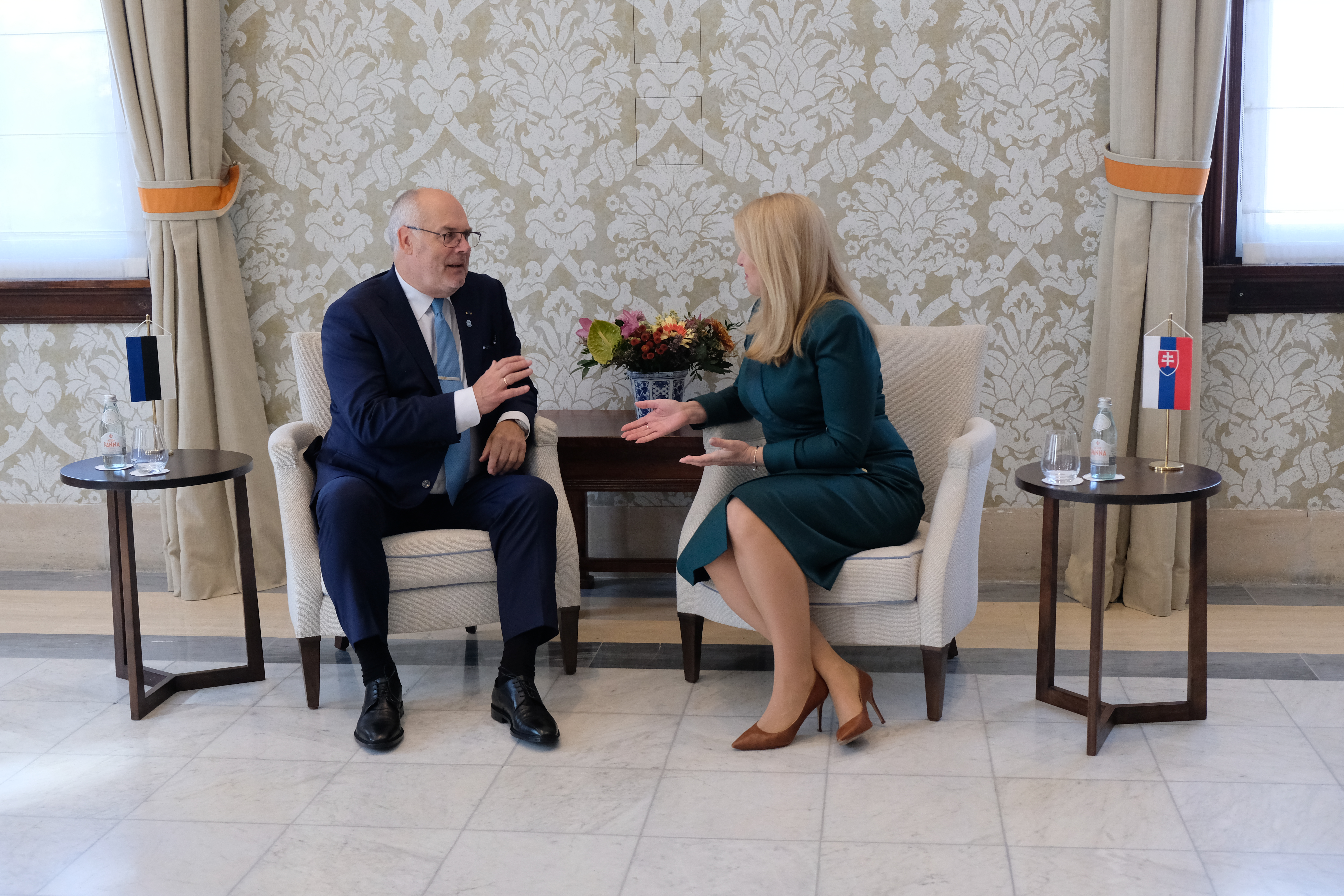
While in Valletta, the Estonian head of state met with his Slovakian counterpart Zuzana Čaputová. Together they discussed issues related to European security and boosting cooperation between Estonia and Slovakia and exchanged thoughts on Russia’s aggression. The two countries will be celebrating the 30th anniversary of their diplomatic relations in 2023, and to mark the occasion President Čaputová invited President Karis to visit Slovakia.
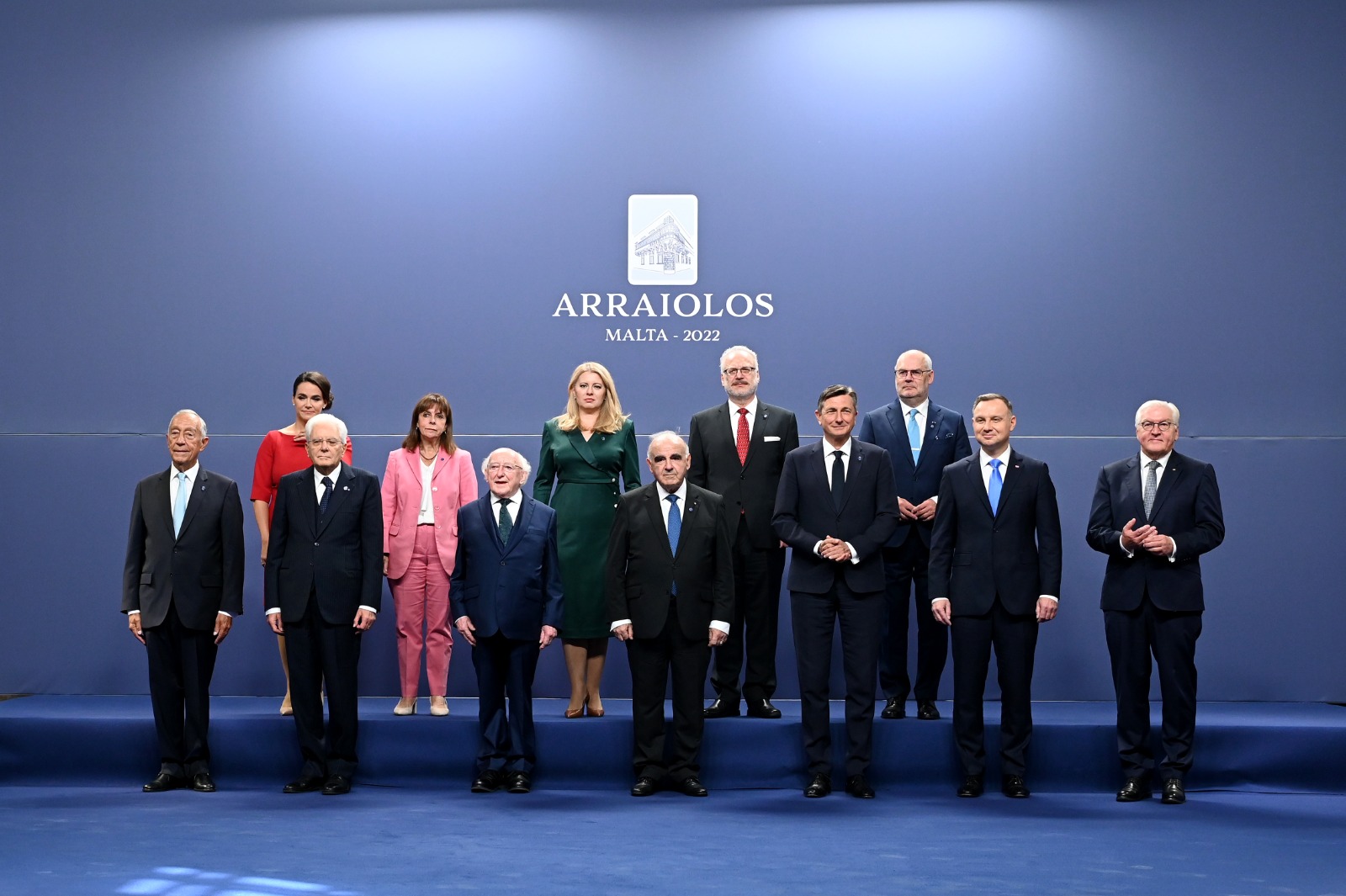
The Arraiolos Group is the name given to a series of informal meetings that started in 2003 which are attended by heads of state who are not involved in the work of the European Council. This year’s meeting, the 17th in the series, is being attended by the presidents of Croatia, Estonia, Germany, Greece, Hungary, Italy, Ireland, Latvia, Malta, Poland, Portugal, Slovakia and Slovenia.