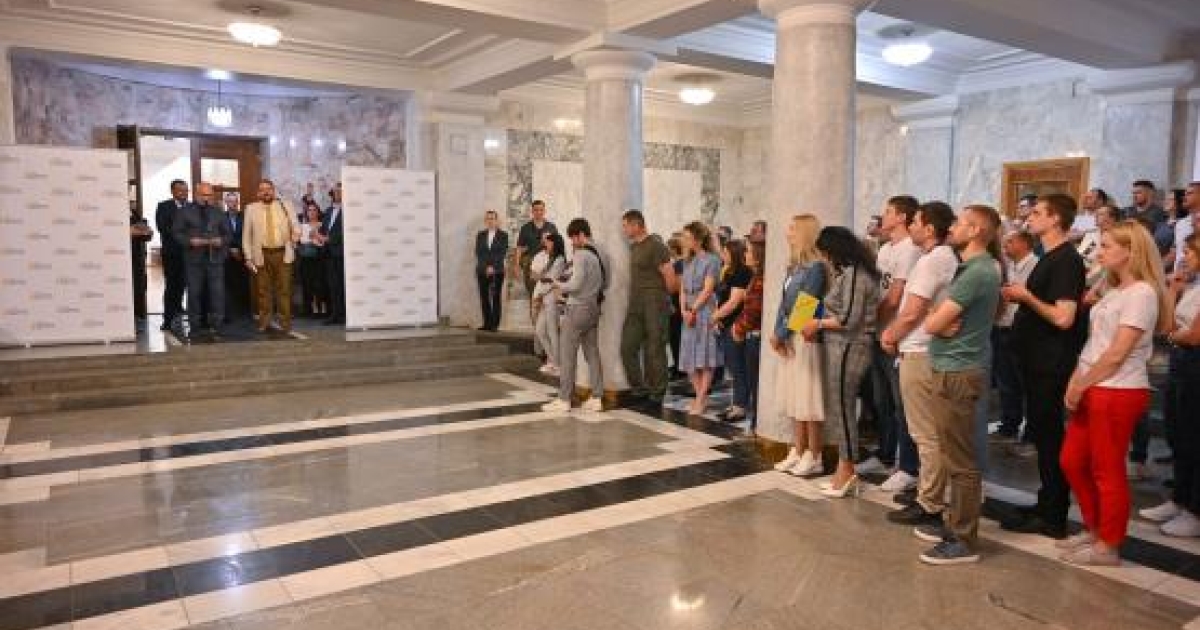
“Even though Estonia ranks high in the latest Corruption Perceptions Index, this has not always been the case. Estonia's situation was similar to that of other countries that regained their independence in 1991. The law enforcement agencies were quite inept, ineffective and corrupt and their activities shaped by the Soviet legacy. What became the key was the strong consensus in Estonian society to distance ourselves from everything Soviet and from Russia,” President Karis explained.
He also highlighted economic reforms, liberal trade policy, reduction of red tape and transparency as other contributing factors to freedom from corruption. “After the restoration of independence, Estonians realised quite quickly that corruption could become a threat to independence. Thus, the fight against corruption is part of the security of every country,” explained the Estonian head of state.
He stressed that the work and professionalism of corruption fighters will also determine Ukraine's success. “Gaining the trust of the people is of utmost importance. Don't compromise, but try to change stale attitudes. Corruption is nothing more than stealing from your own country. The same country whose freedom and independence has claimed so many lives,” said President Karis.
The Estonian head of state also met with Ukrainian Ombudsman Dmytro Lubinets in Kyiv, whose work is currently largely related to the war. The meeting touched on the issue of prisoners of war and imprisoned civilians, as well as problems related to deported children.
According to the ombudsman, the deportation of nearly 20,000 children from Russian-occupied territories is currently accurately documented, but the actual figures are considerably higher and the collection of data poses a serious challenge, which requires more efficient work also by international institutions.