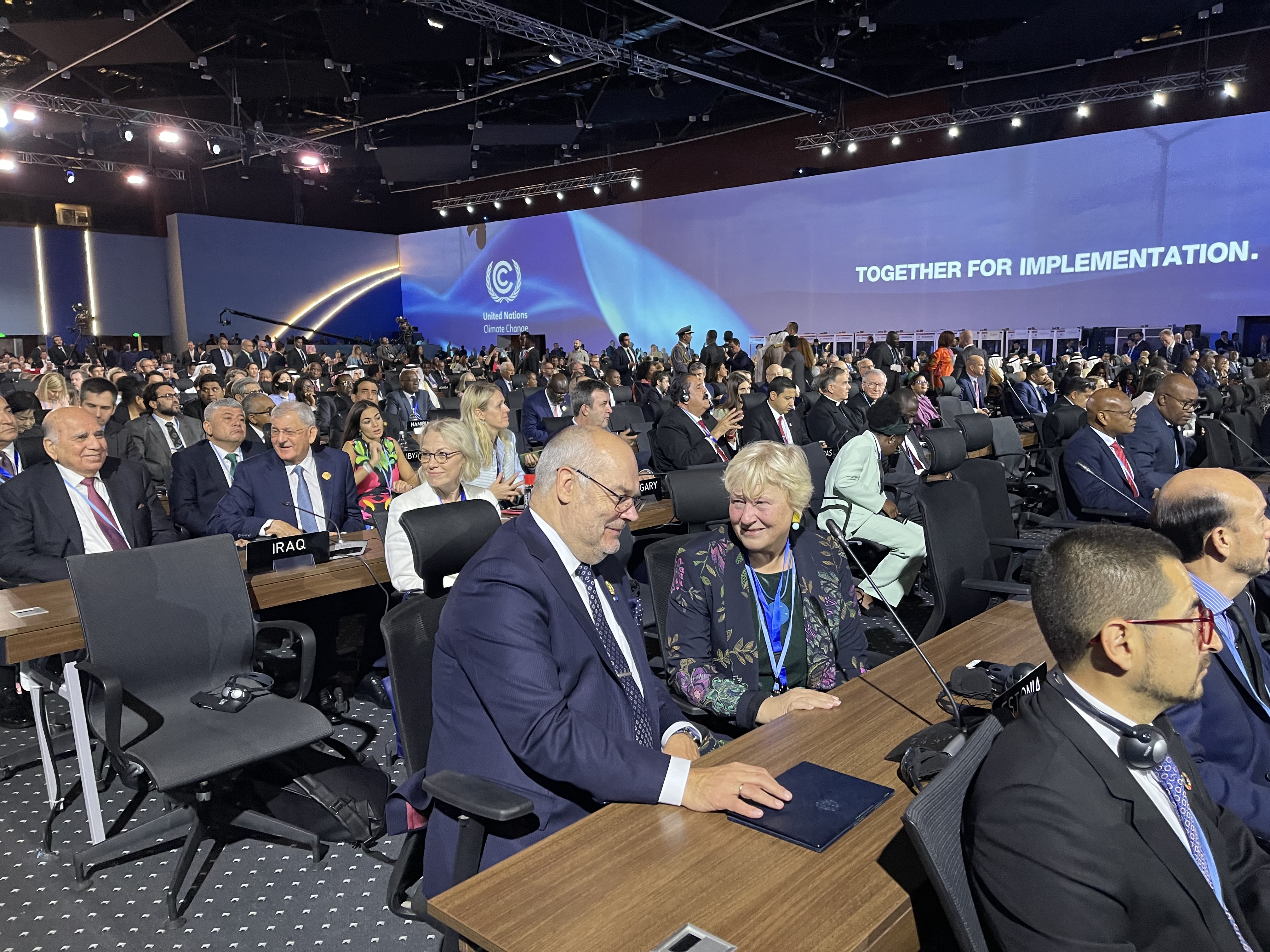
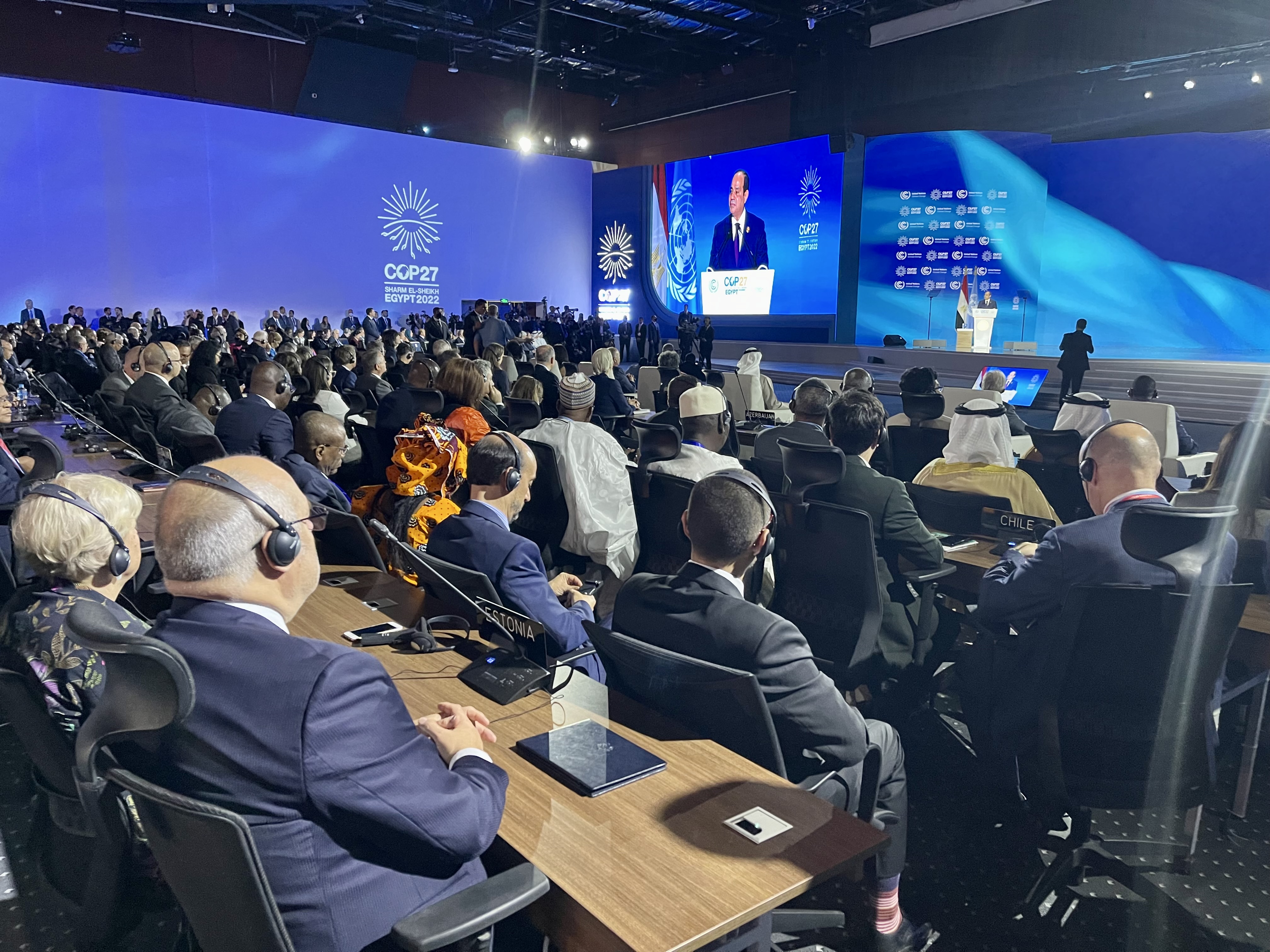
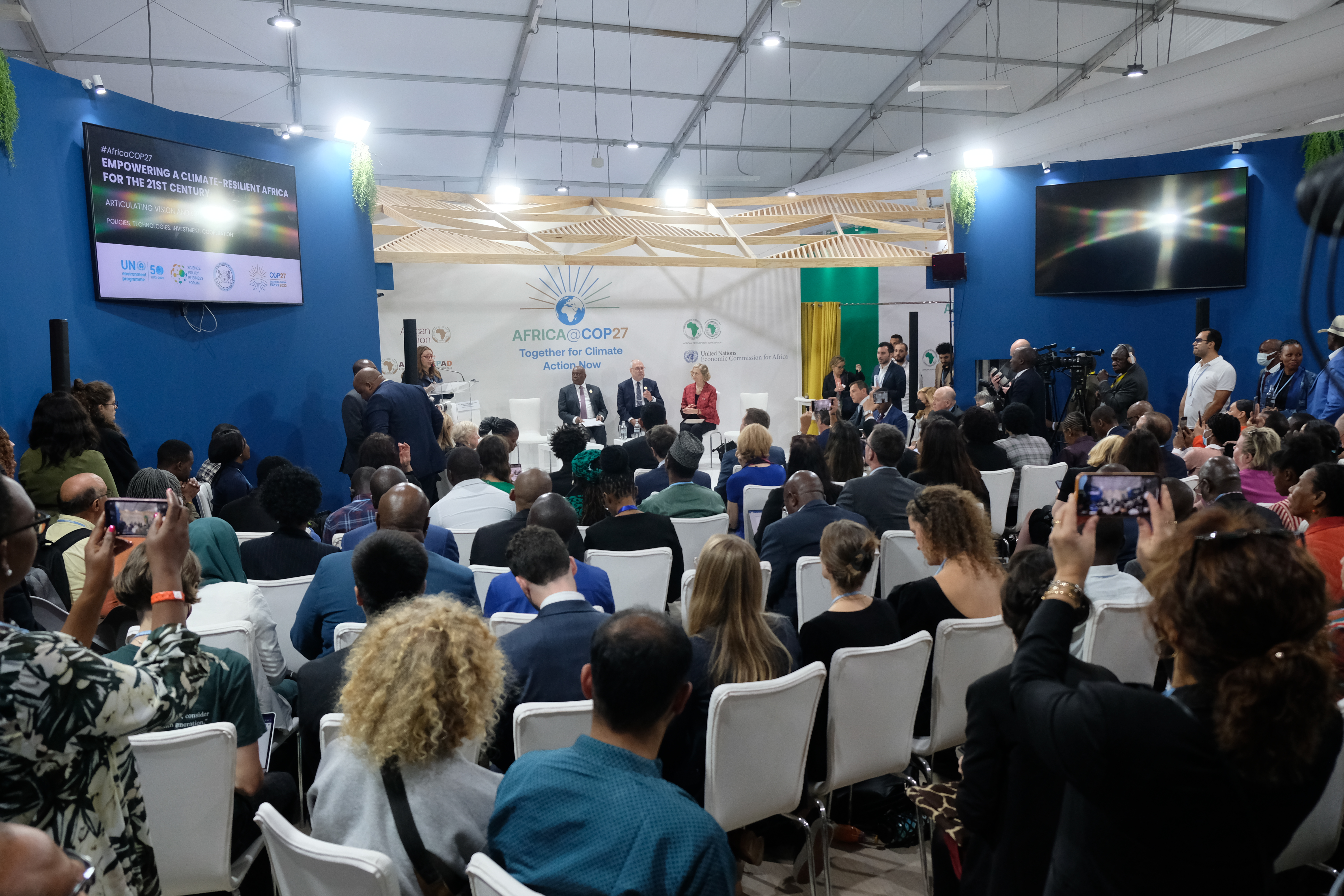
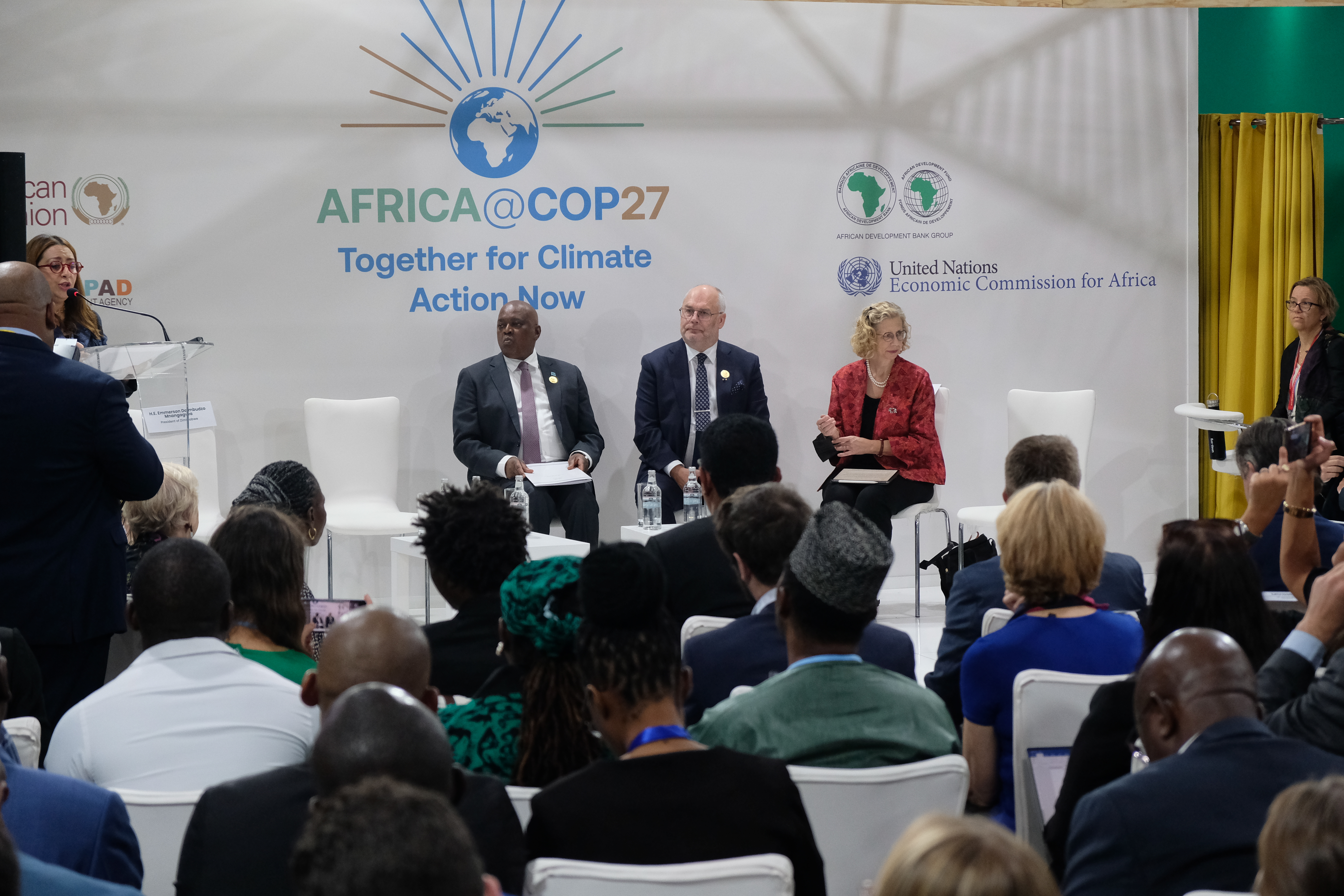
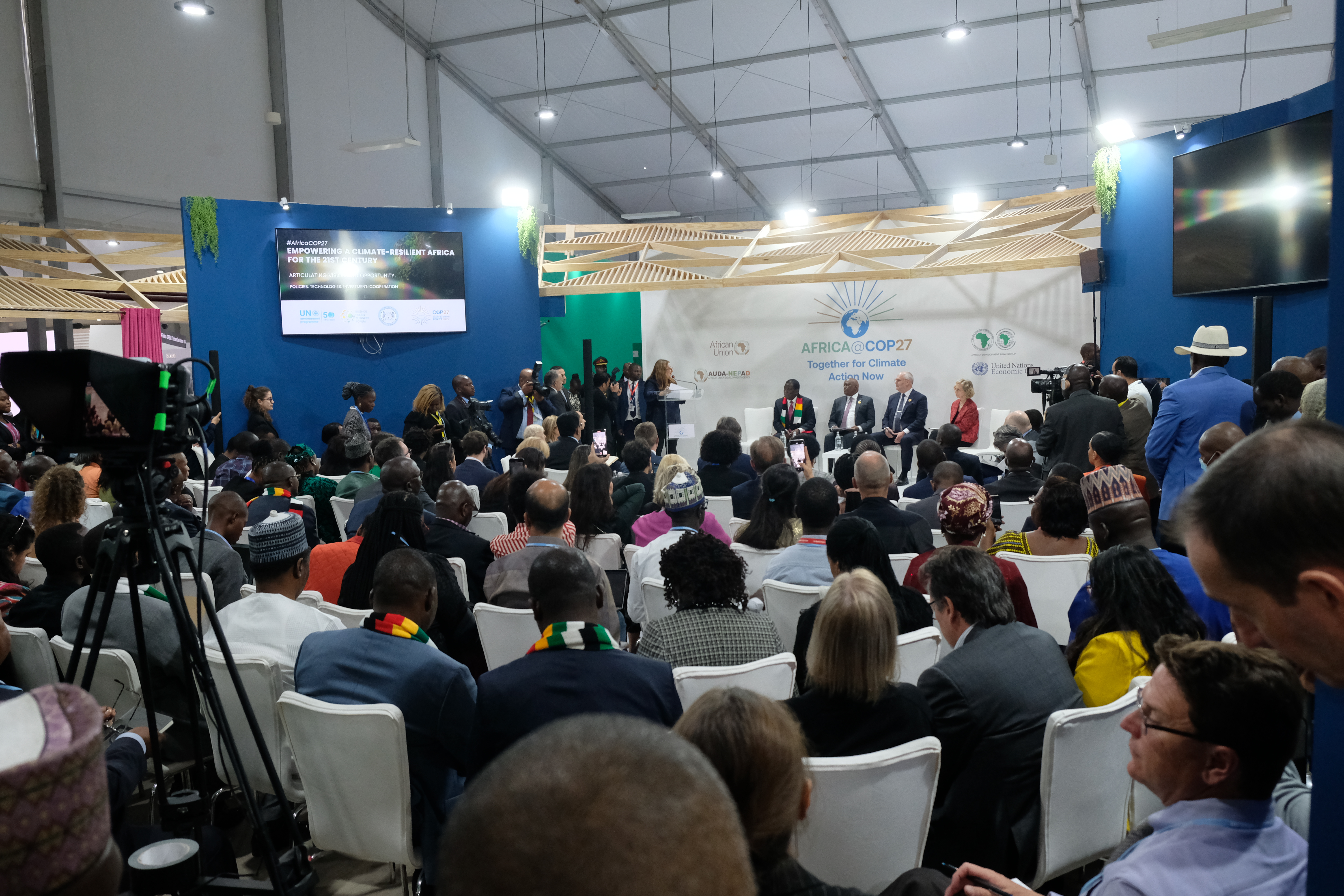
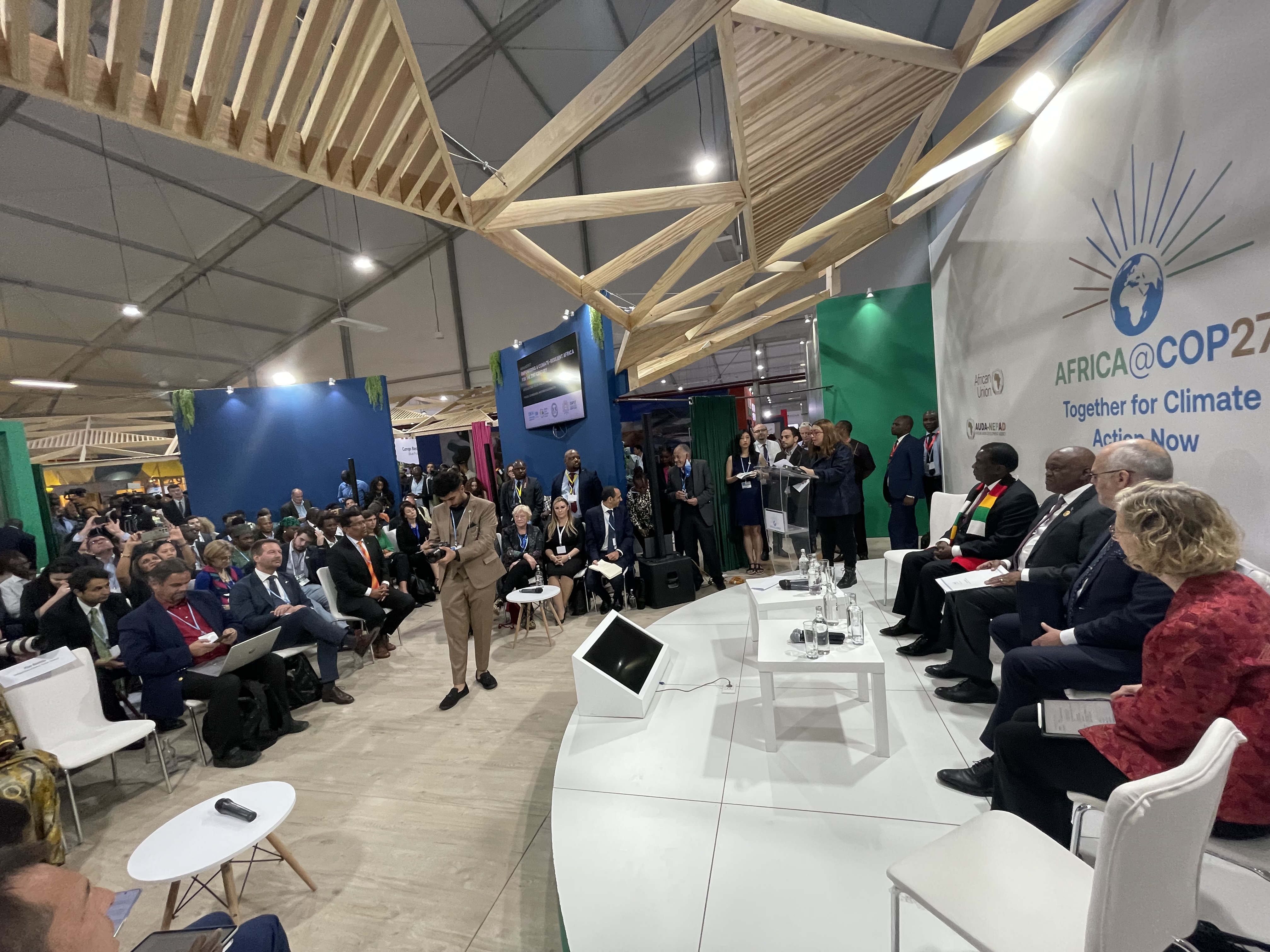
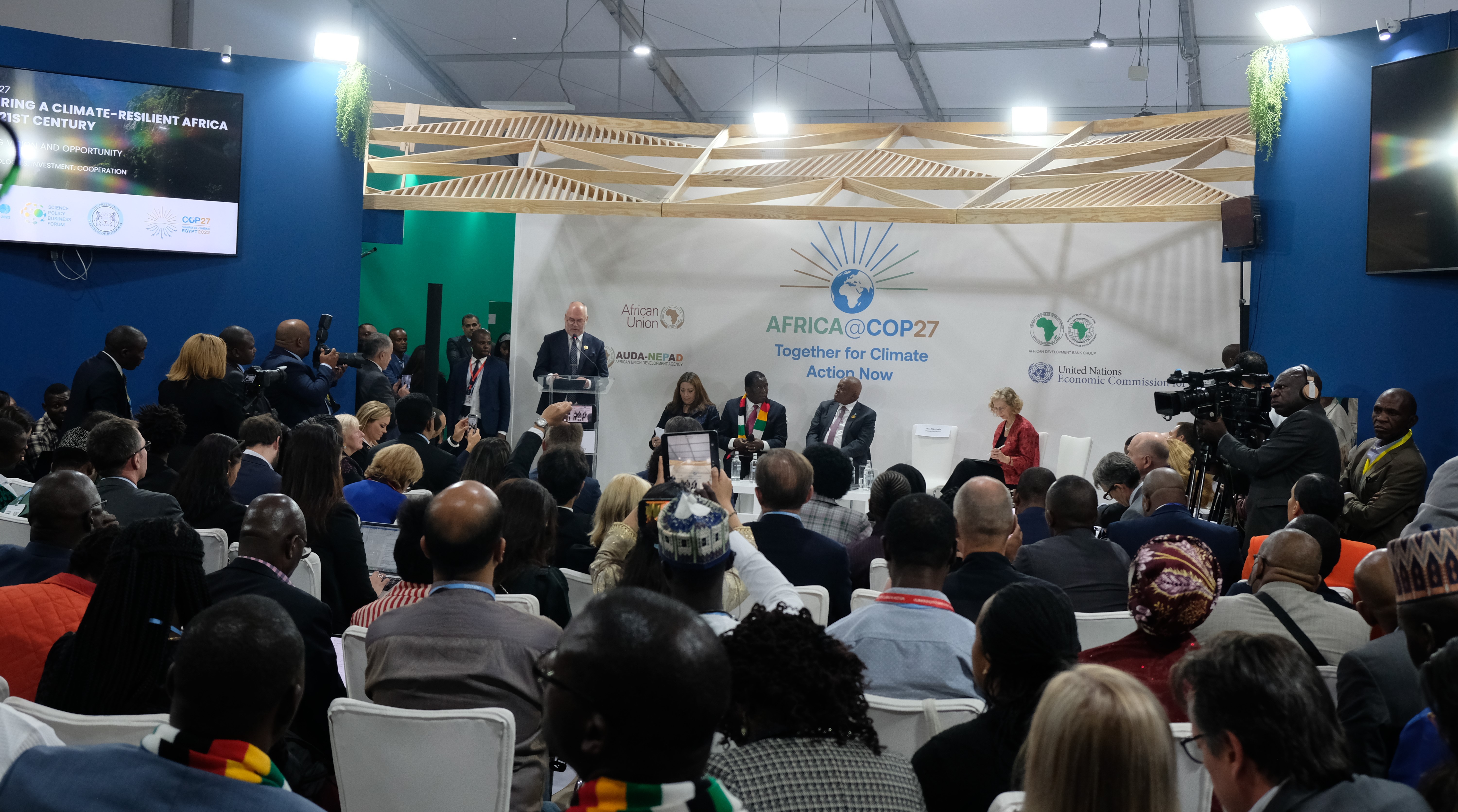
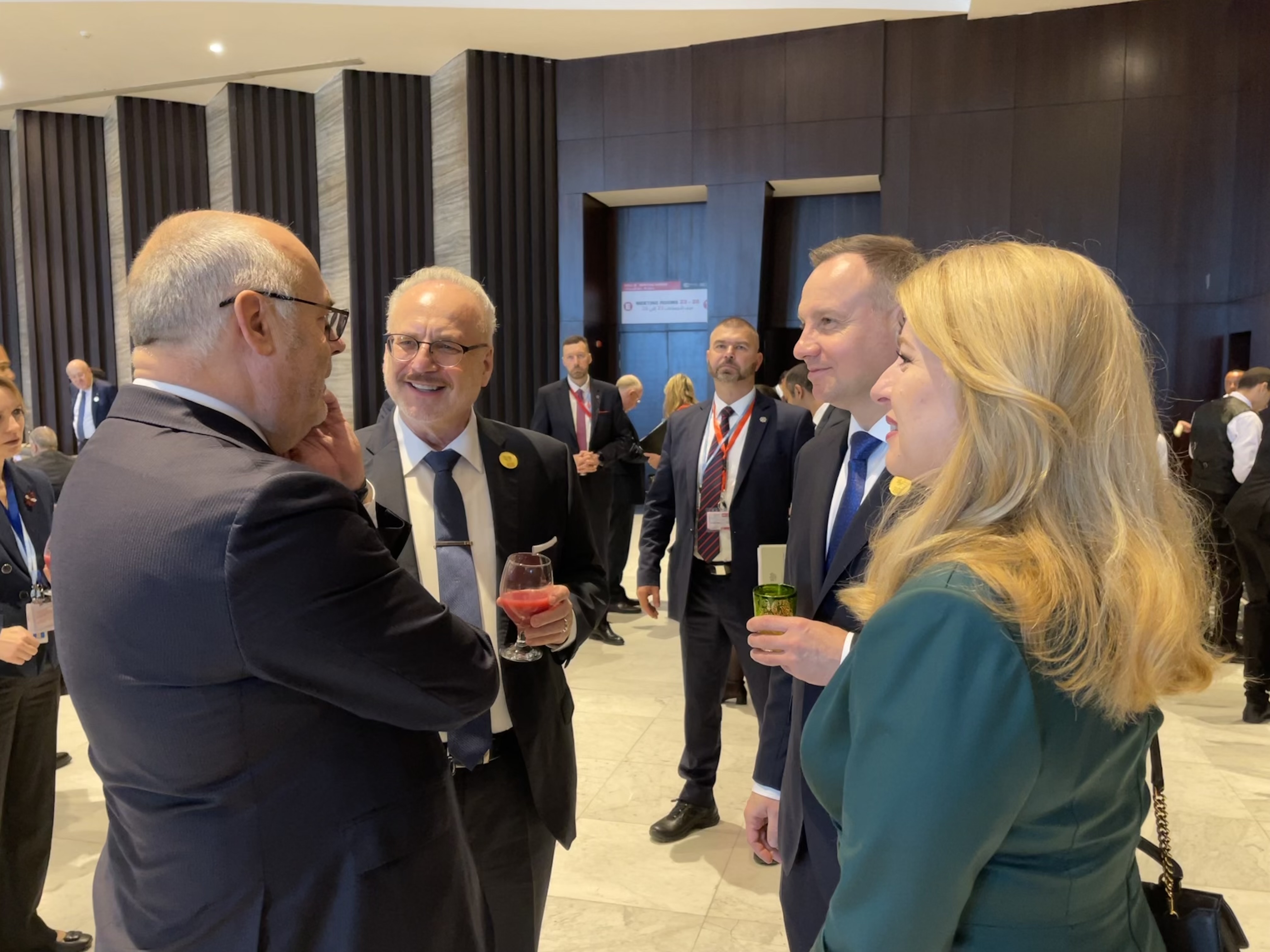
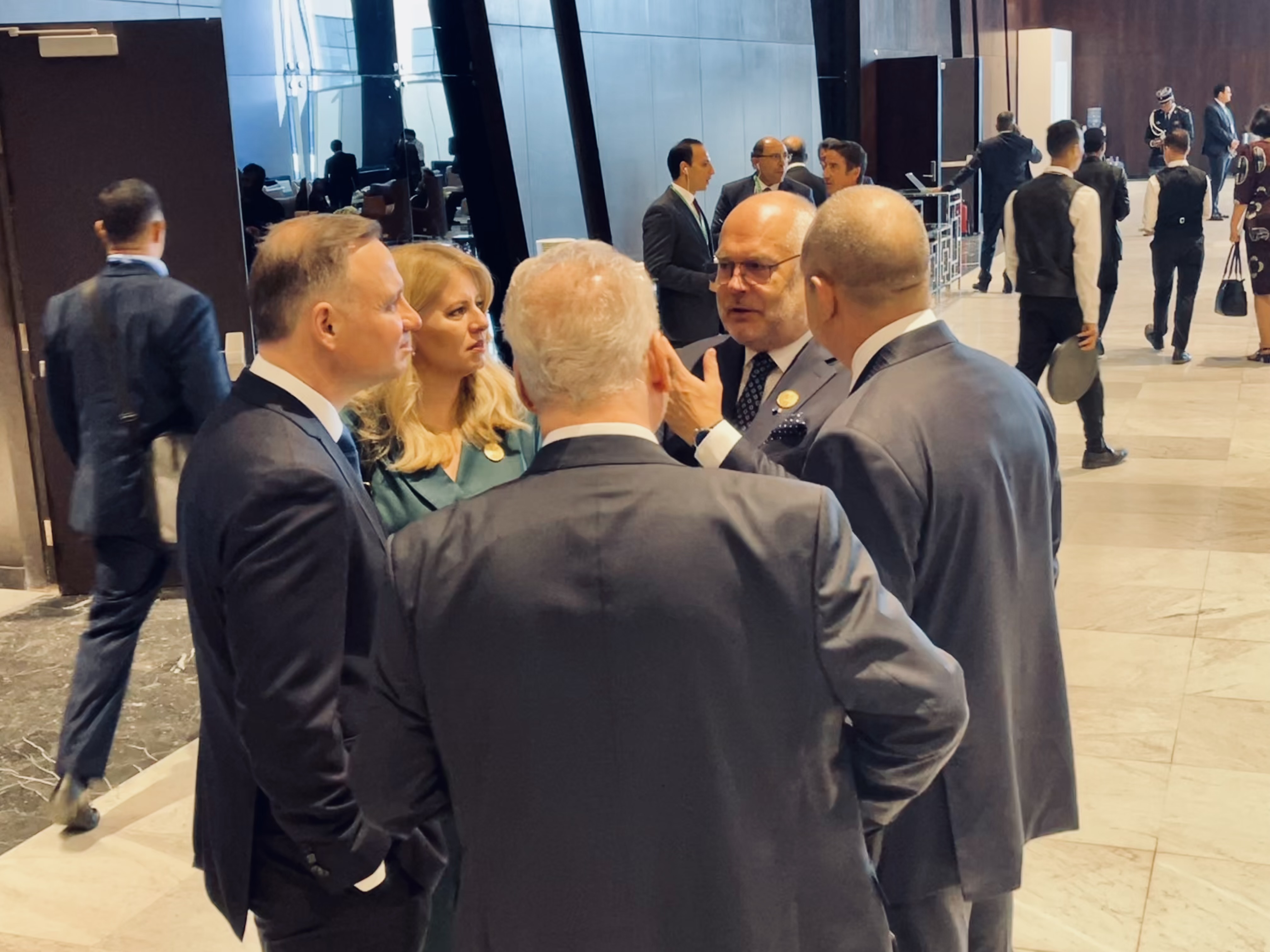
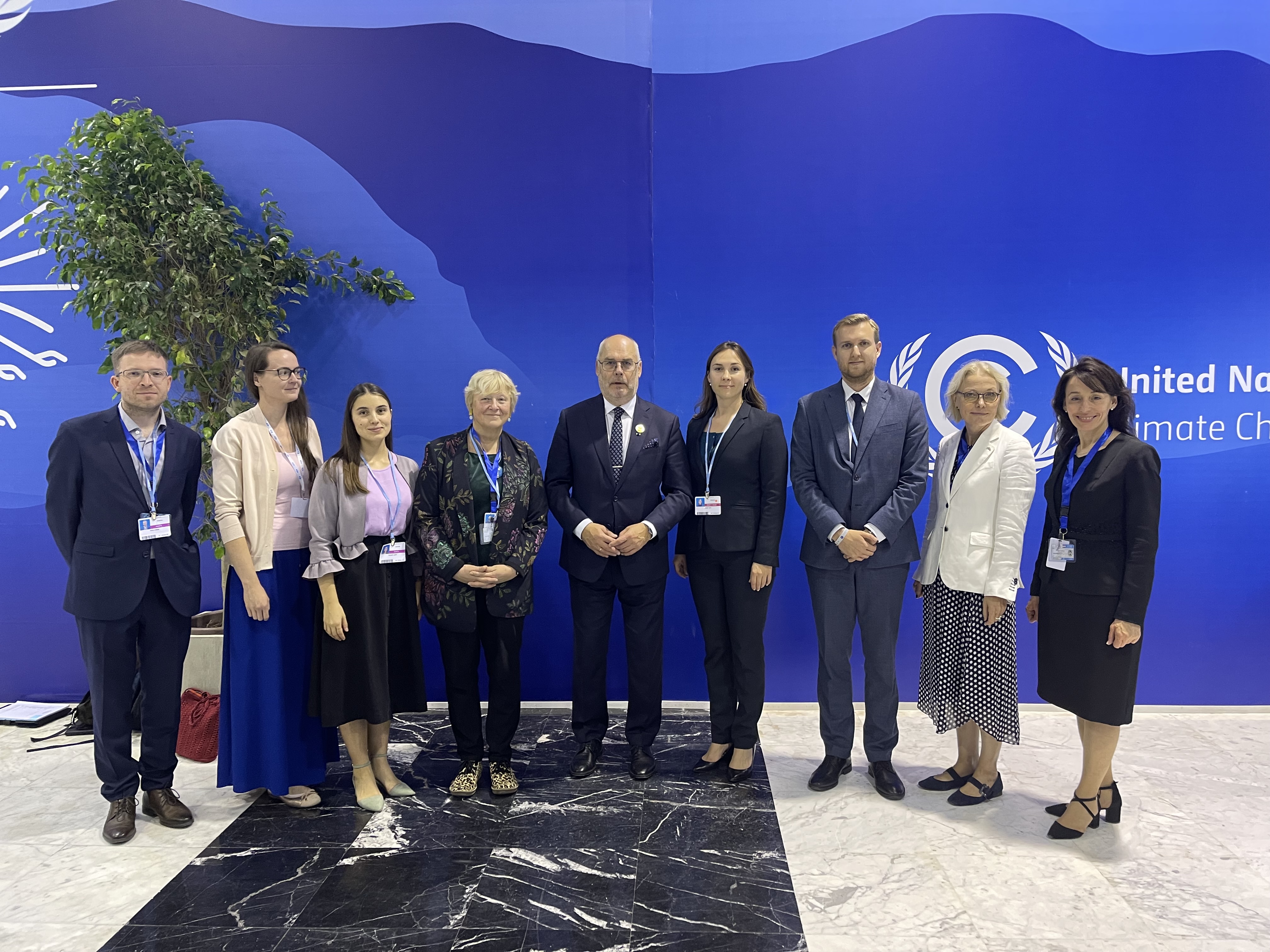
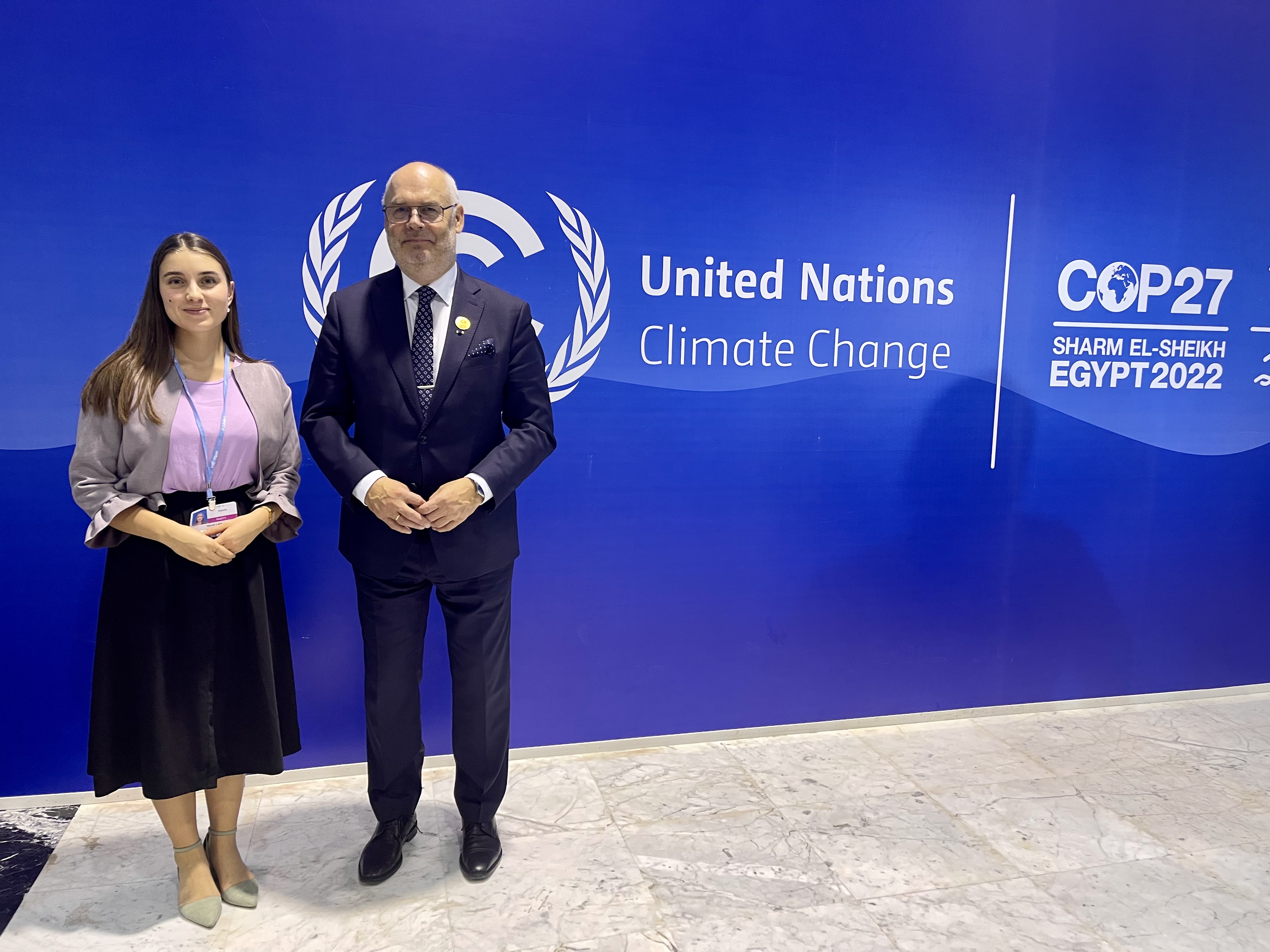
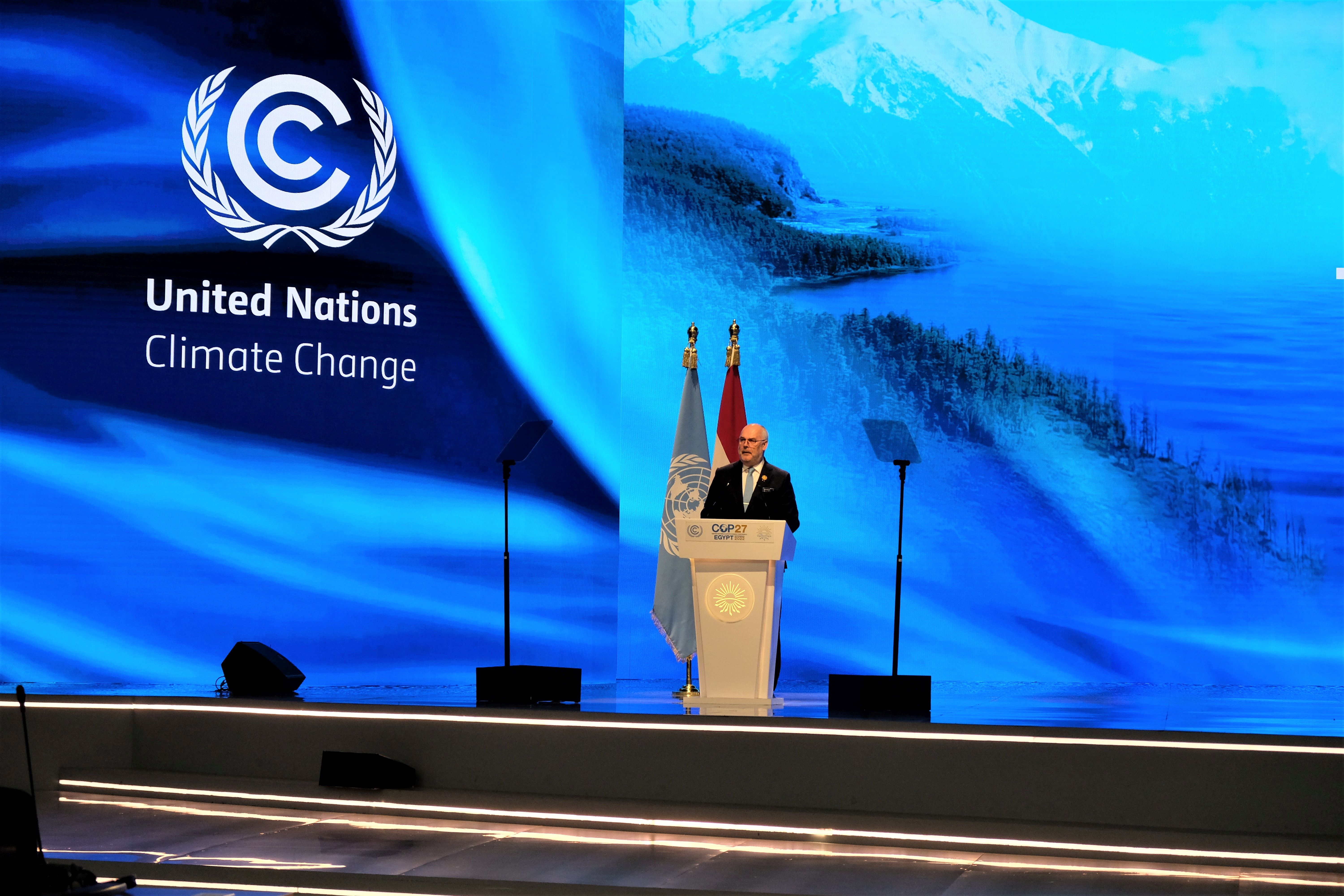
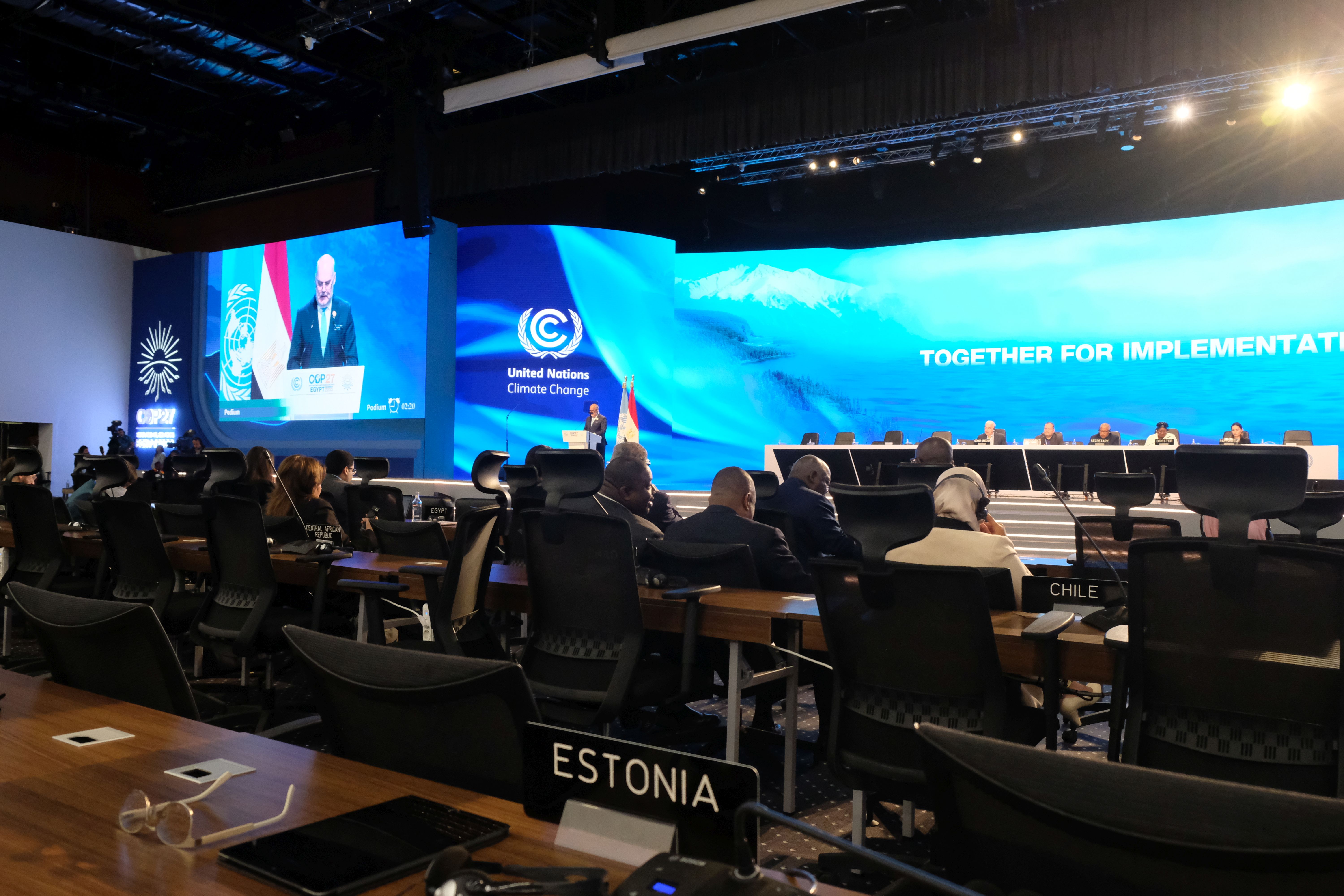
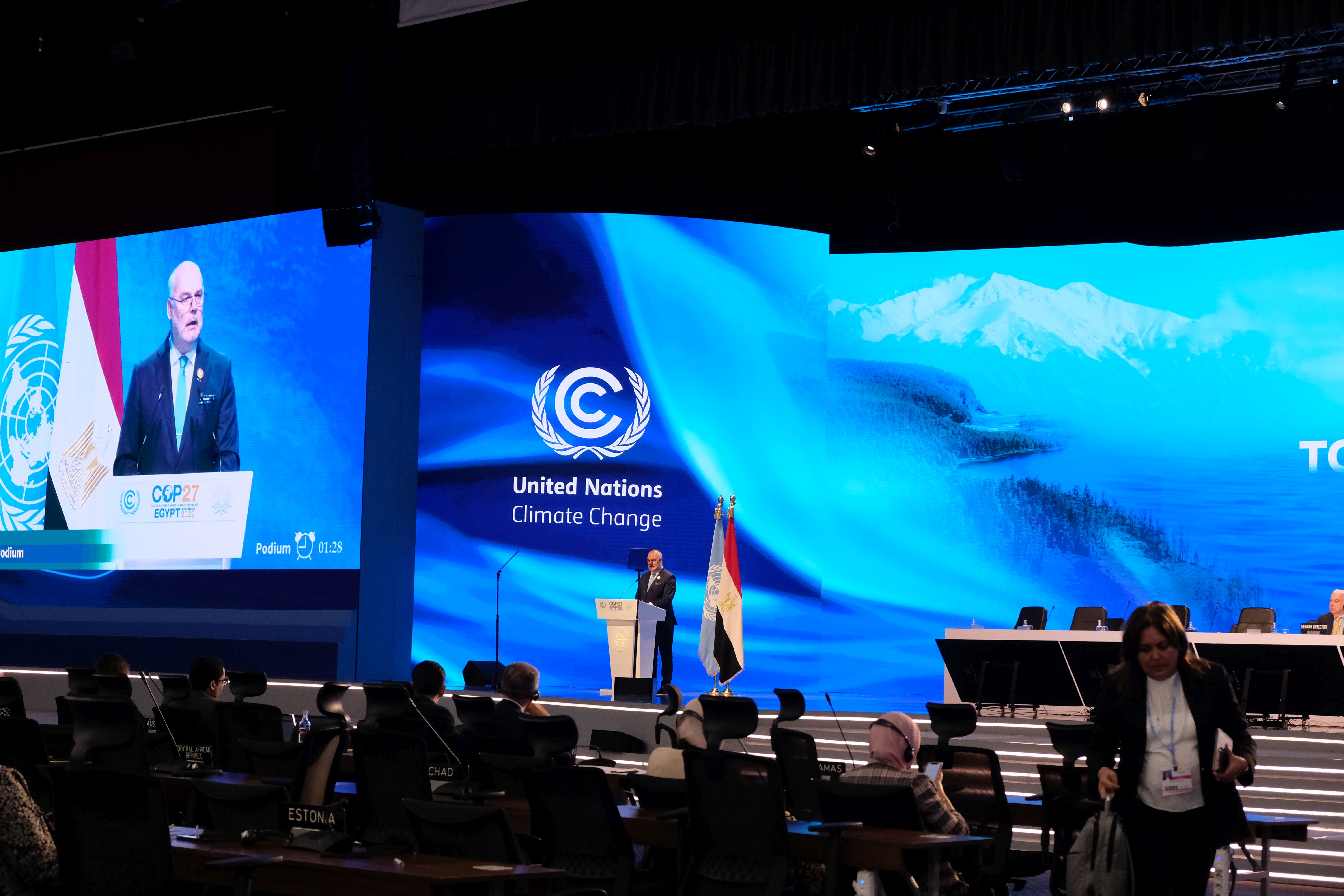
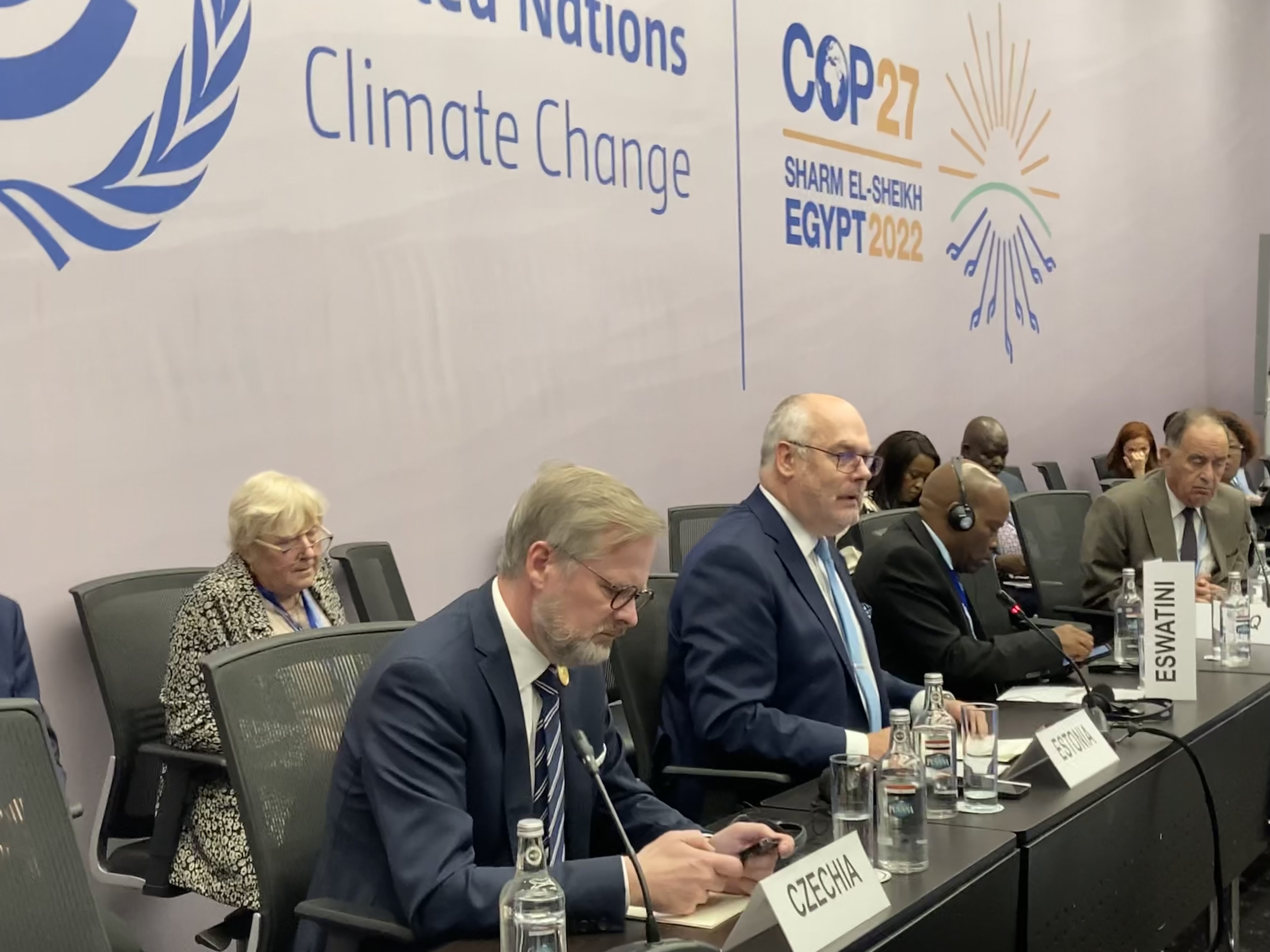
President Karis remarked that Africa is shouldering an incommensurate amount of the burden of climate change given how small a proportion of global greenhouse gas emissions the continent is responsible for producing. “A number of African countries have done a great deal to mitigate the impact of climate change,” he said, “from connecting households to miniature solar power networks to using renewable energy in agricultural production, and from adopting economical farming techniques to improving the sustainability of timber stocks. But climate change could render the success they have achieved null and void.”
The head of state says that accessible and reliable environmental data are needed in order to be able to respond to climate change promptly and appropriately. Estonia champions data-based decision-making and has worked to develop the UN environmental programme UNEP’s first global strategy for environmental data. The country’s initiative in this regard, DEAL (Data for the Environment Alliance), has now become UNEP policy. DEAL is a platform for the exchange of experience which aims to increase equality and equal access to knowledge and data. “As part of that initiative, more than 30 countries and organisations are already working together,” President Karis explained. “The use of high-quality environmental data and new technology will help to reduce climate and environmental risks and to increase preparedness for catastrophes.”
According to the head of state, cooperation with African countries represents an excellent opportunity to take rapid steps towards the availability of data and the adoption of innovative solutions. “Estonia is ready to initiate pilot projects in this regard,” he said. “Kenya is one country which has shown interest.”
President Karis stressed the need to develop and make use of more data- and knowledge-based solutions to monitor, measure, understand and inform people about the impact of climate change and so as to be capable of adapting more quickly. “For instance, in Estonia we are working on a smart rainwater handling system which takes the growth of cities and adapting to the climate into account and which reduces the level of pollution caused by heavy rains and flooding,” he explained. “In order to be able to cope with the challenges presented by climate change, cities must become greener and fulfil a key role in preserving and restoring biodiversity through solutions based on natural processes.”
The head of state added that a significant number of solutions and prototypes based on remote monitoring and satellite data had already been developed in Estonia to more effectively monitor forestry resources, flood risks in coastal areas and ice conditions. “We would be very happy to test those solutions as part of DEAL in the countries in Africa most severely affected by climate change,” he said.
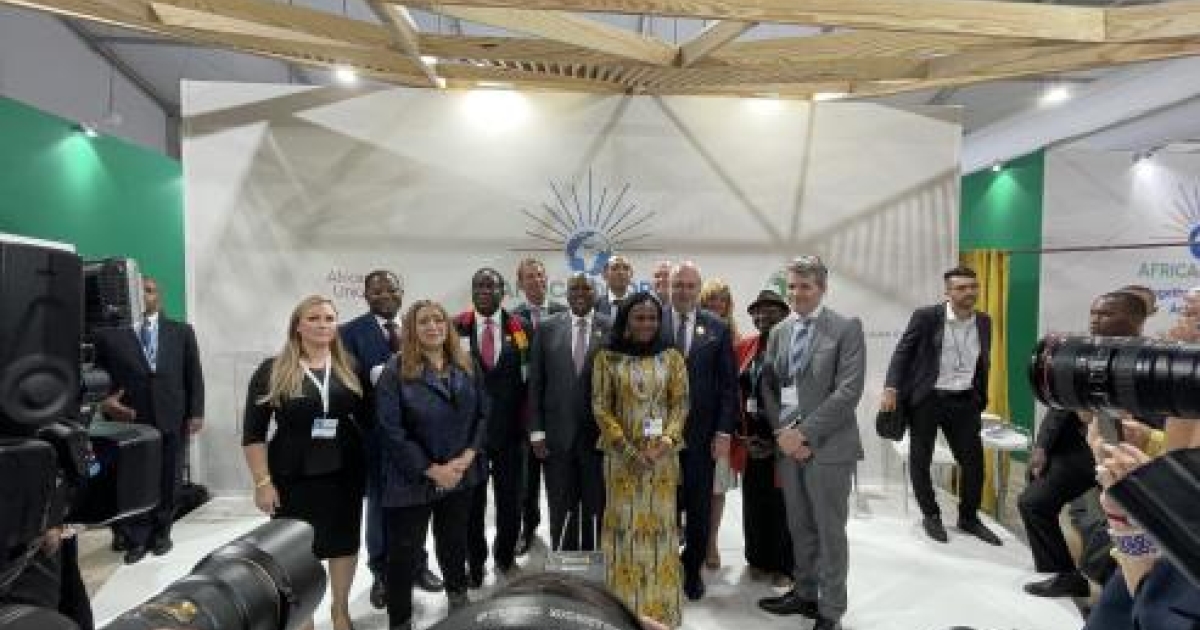
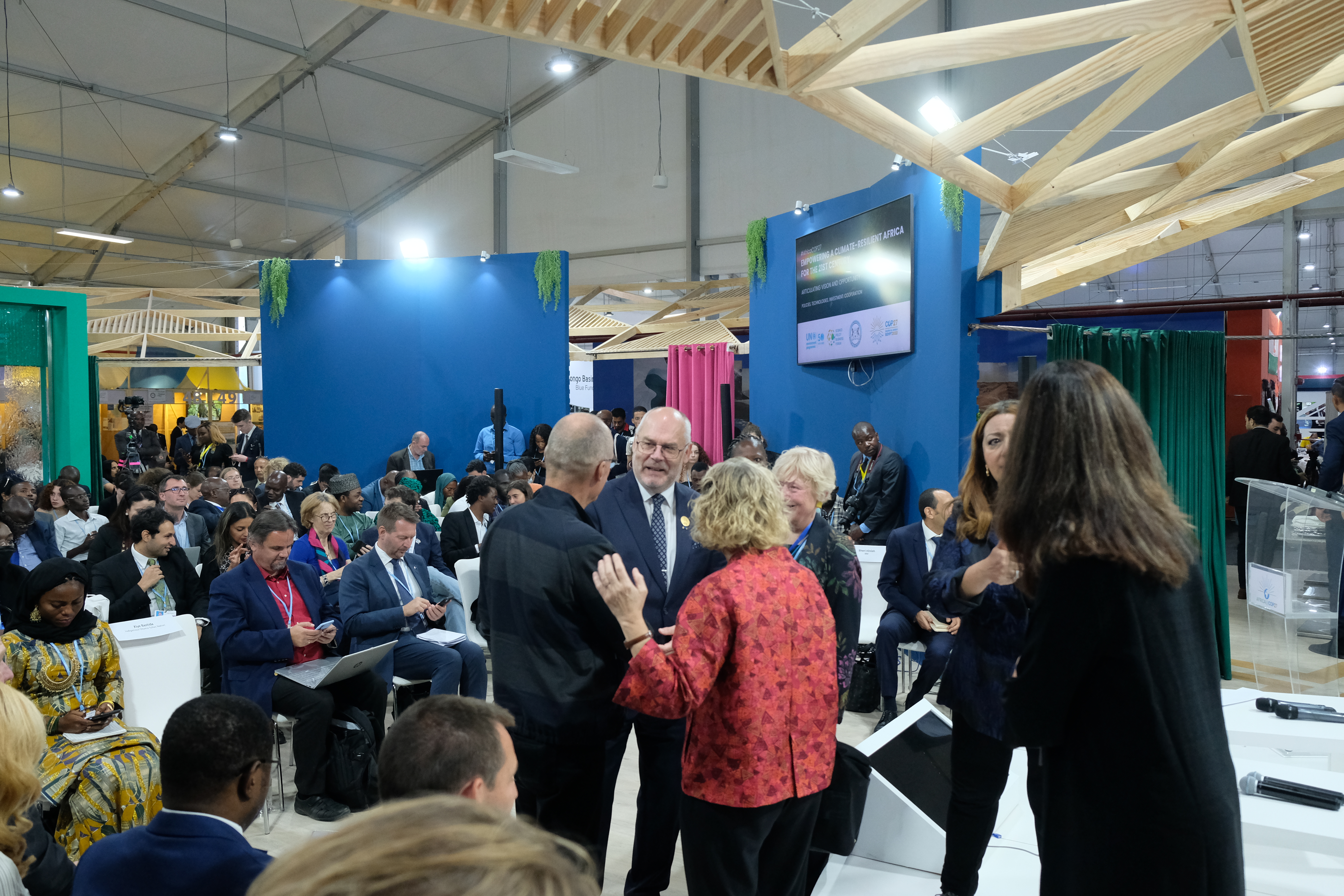
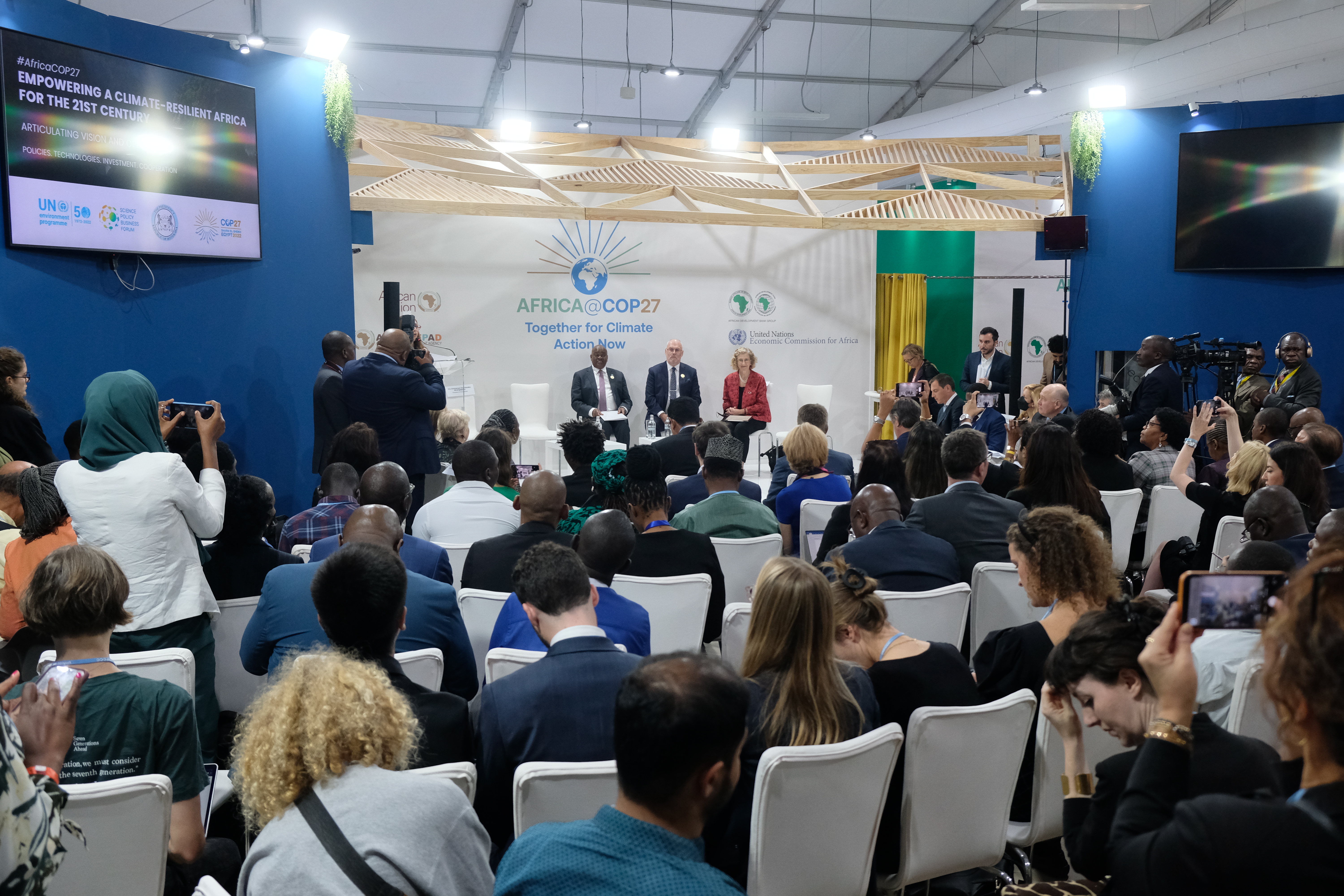
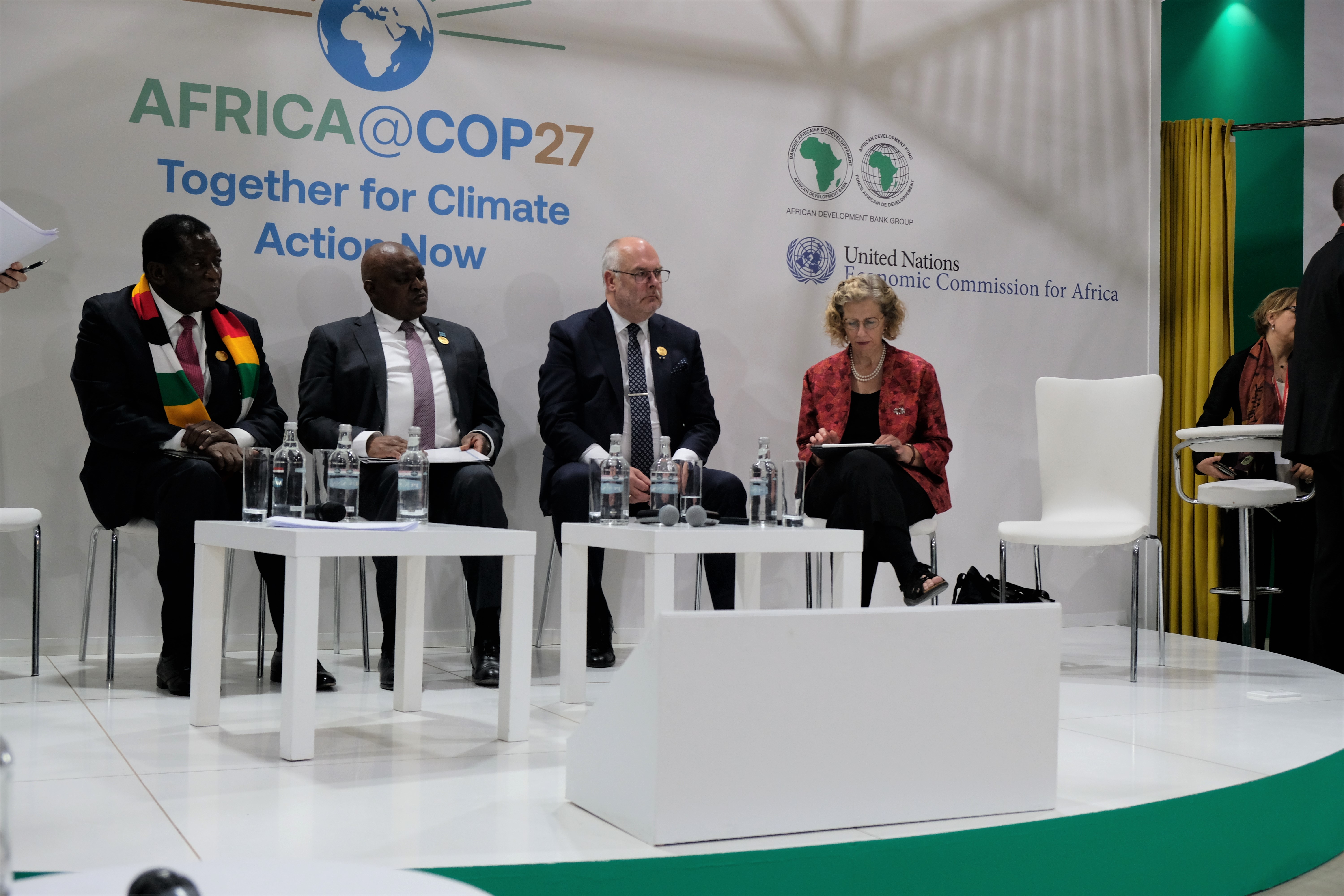
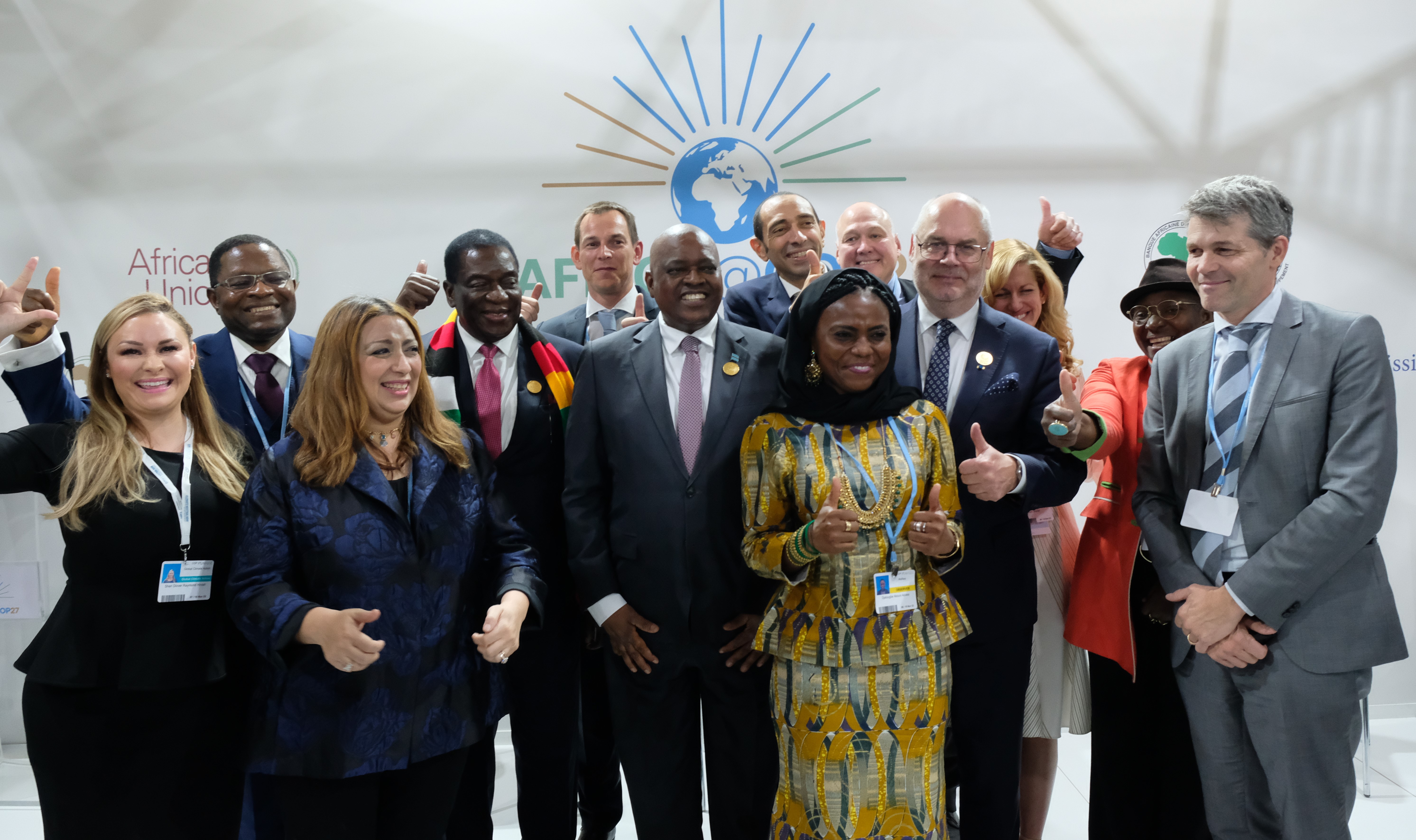
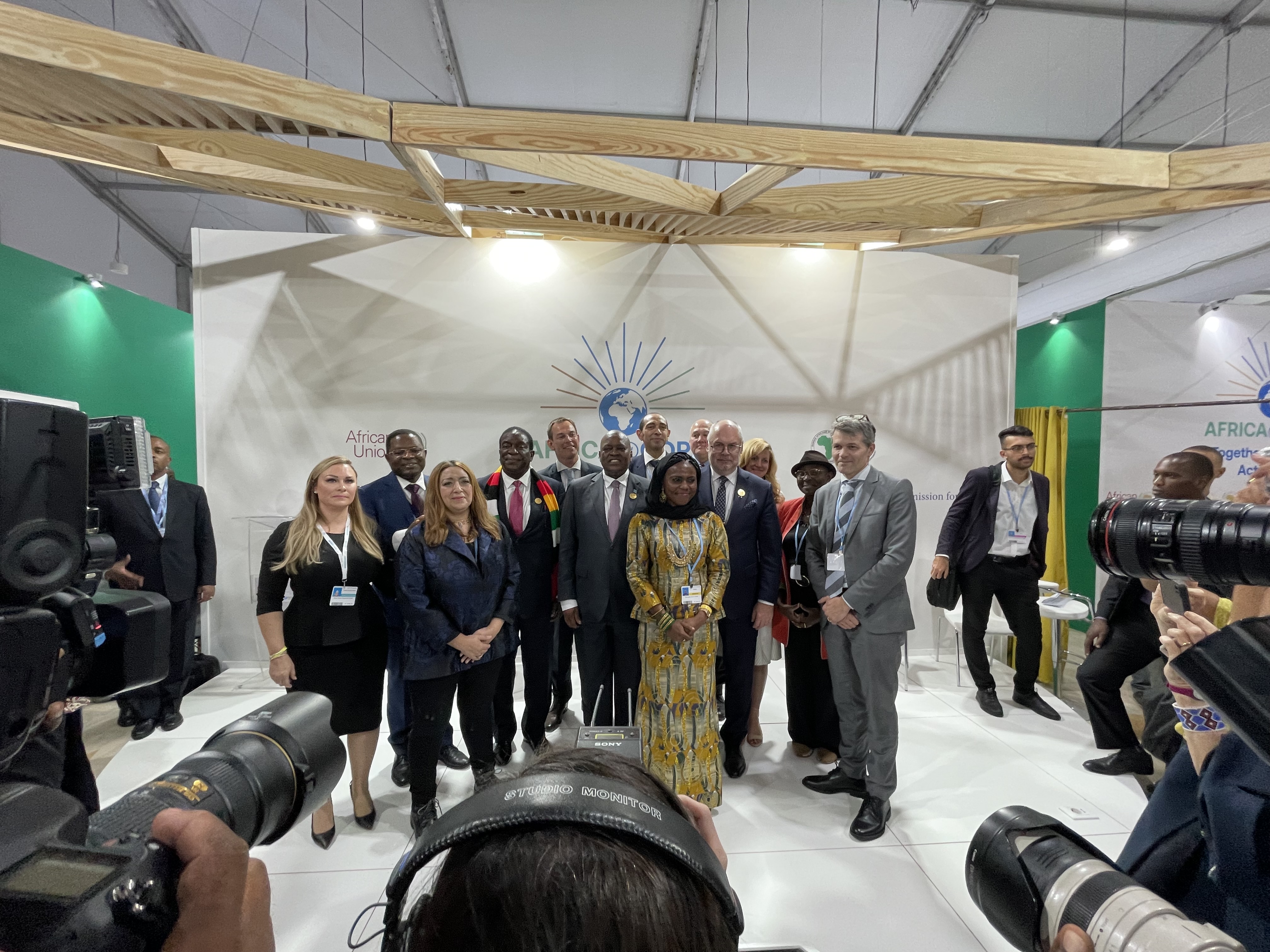
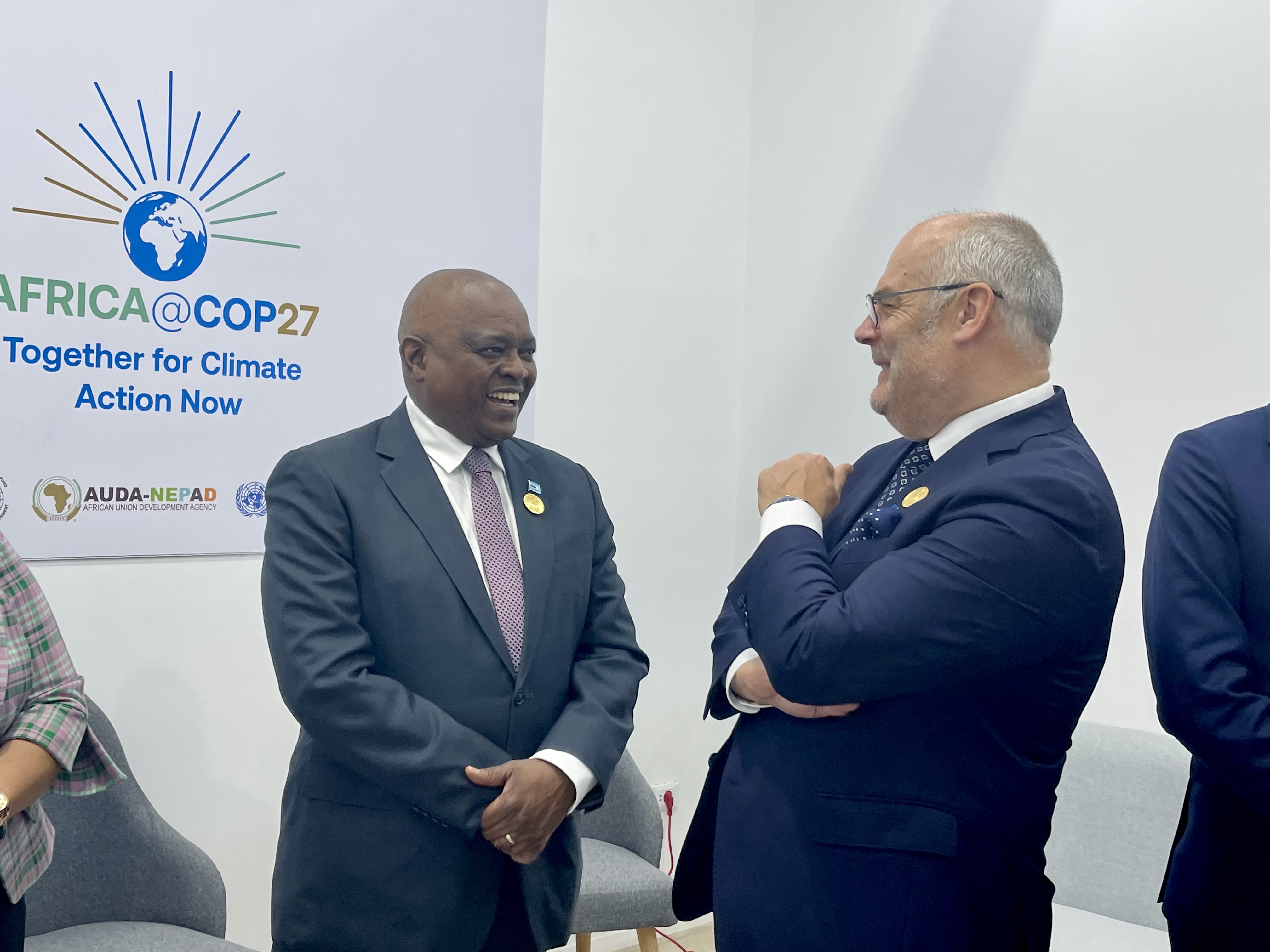
Also taking part in the discussion in the Africa pavilion were President Emmerson Mnangagwa of Zimbabwe, UNEP director Inger Andersen and representatives of the African Development Bank and major corporations including IBM, the Volvo Group, Philips and Google.