Having in mind that a clean environment and unique nature is undoubtedly one of the greatest treasures of each of the Baltic countries,
Having in mind the Sixth Assessment Report of the United Nations Intergovernmental Panel on Climate change and its conclusions that stabilizing the climate requires strong, rapid and sustained reductions in greenhouse gas emissions,
Having in mind the EU’s ambitious 2030 greenhouse gas emission reduction targets and climate neutrality goals by 2050, addressing the ambitious agenda of “Fit for 55”, and building on the outcomes of the 26th UN Climate Change Conference of the Parties in Glasgow on 1-12 November 2021,
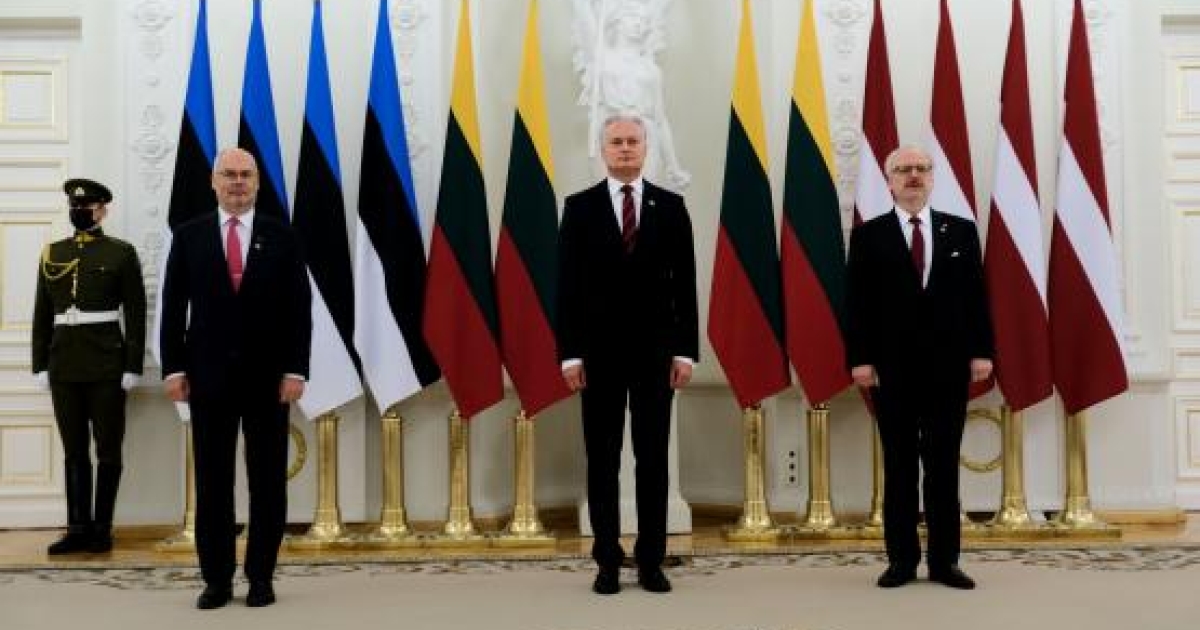
The Presidents of Estonia, Latvia and Lithuania underline the need for strengthened Baltic cooperation in reversing climate change, and call for:
- individual and joint commitment by people, non-governmental organizations, businesses and Governments of the Baltic States to work and strive for climate neutral Baltic countries, at the same time managing social and economic effects of the transition and strengthening competitiveness of the regional economies;
- promotion by non-governmental stakeholders of and active consideration by development and infrastructure institutions for the principle of safeguarding biodiversity against climate change impacts in the Baltic countries;
- enhanced cooperation on climate, directed at joint preventive and control strategies of institutions, strengthening the participation of civil societies and local communities through joint initiatives and project platforms;
- investment in research, development and innovation by industries, and support by the Baltic governments to such efforts, aimed at ensuring that the Baltic economies are at the forefront of transformation;
- strengthened cooperation aiming at a level-playing field at a global level that addresses the risk of carbon leakage through well calibrated and fair EU mechanism– a necessary instrument aiming to support achieving climate neutrality of the industry and energy sectors of the Baltic countries, as well as of the whole EU and at a global level;
- support to Baltic climate neutrality technology and services pioneers, innovators and exporters; promotion of the Baltic States’ international standing as knowledge-based, innovative, green, socially inclusive and sustainable economies; as well as support to joint science and research projects looking into available and potential climate neutrality solutions, including environmentally sound carbon capture and utilization, hydrogen, and others;
- identification and implementation of possible actions to decrease the carbon footprint by stakeholders in the transport, energy, industry, building, agriculture, waste and other sectors, at the same time using available resources to become models for a high added value economy;
- timely delivery of Rail Baltica by the Governments of the Baltic States and bringing all related benefits and climate neutral transport and logistics solutions to the Baltic countries;
- deeper cooperation within the framework of the Three Seas Initiative with a view to implementing cross-border energy, transport and digital infrastructure projects that facilitate climate neutrality as well as promote digital and green trusted secure connectivity across the region;
- focusing efforts on the sustainability of maritime industries, sustainable mobility solutions and digitalization in rural as well as urban areas with the aim to strengthen regional cohesion;
- sustainable development of offshore wind projects in the Baltic Sea as a means to significantly increase the share of renewable sources-based electricity and pave the way to the decarbonization of the regional economies;
- efforts by financial institutions, private businesses and joint ventures to unlock the potential of green finances.