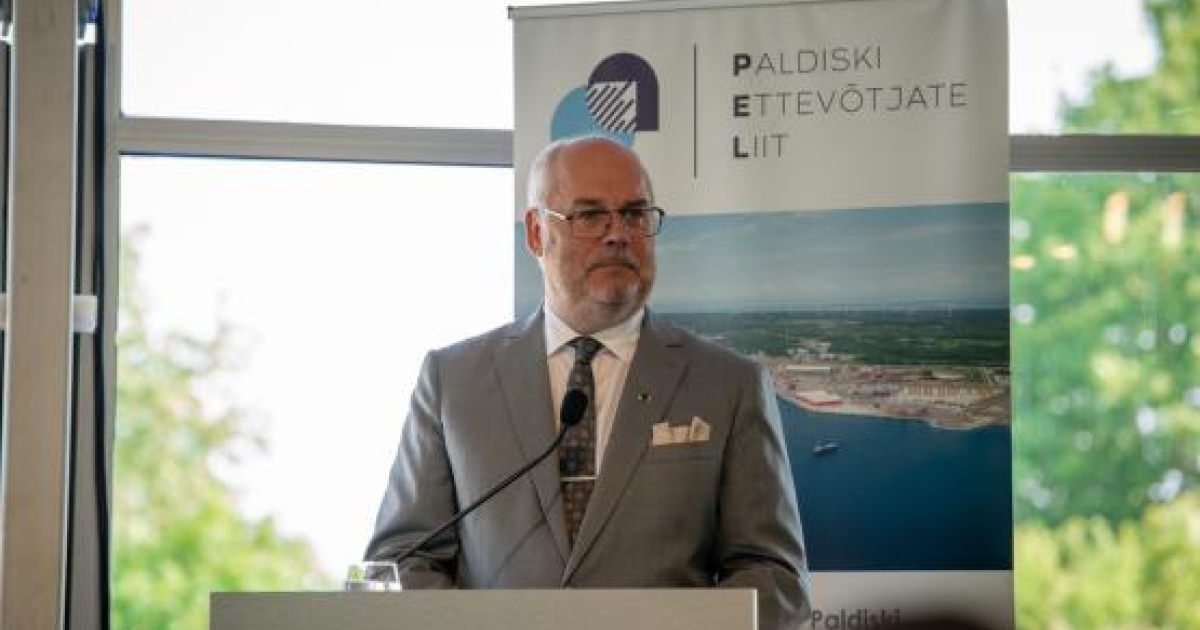
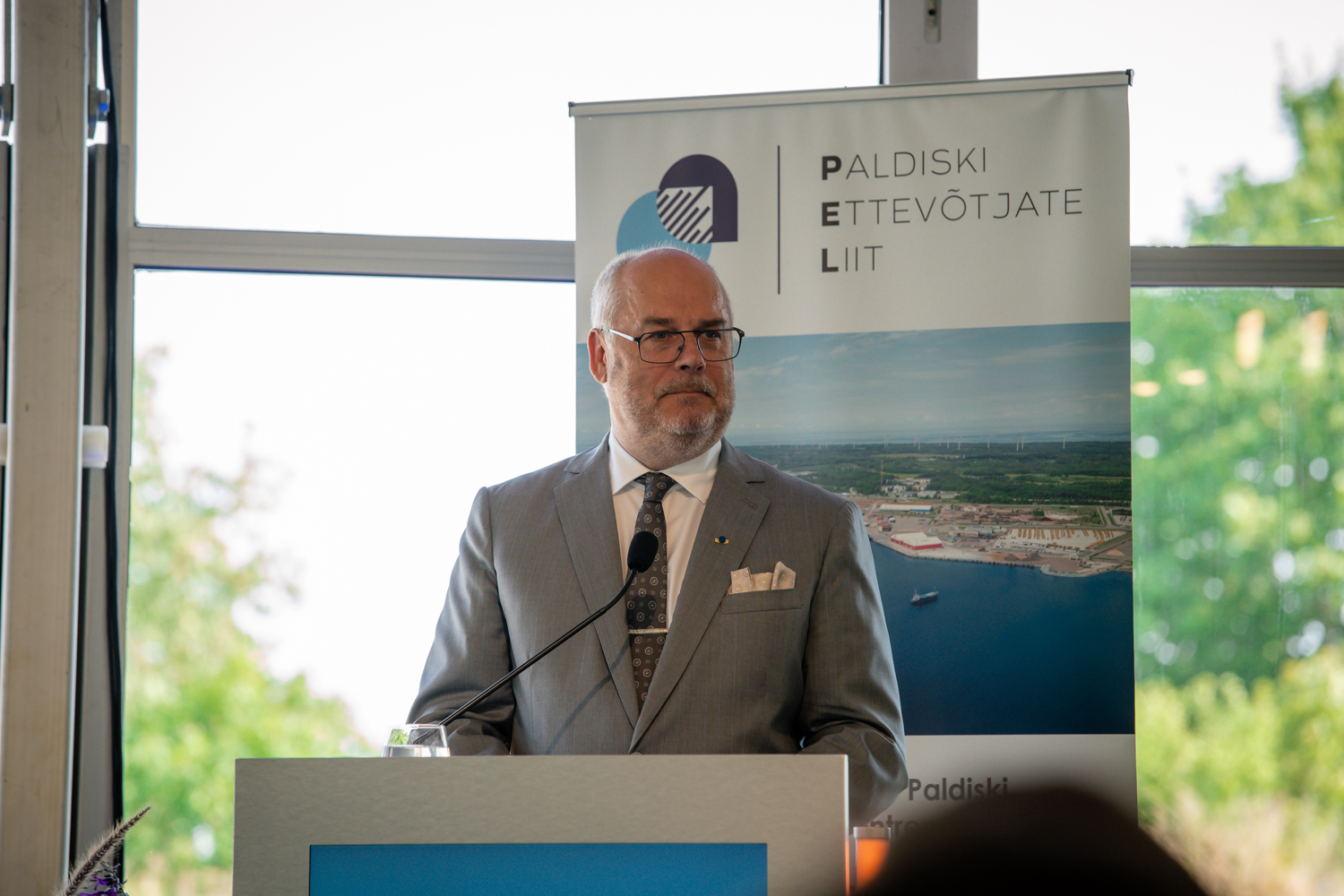
Despite the fact that most people tend to associate it with the nuclear submarine training centre that once operated here, Paldiski is a city with a longer and very interesting history. Indeed, the Paldiski of our memories forms only a tiny part of the region’s past.
Today, however, we will be focussing on the future of Paldiski and how to make even better use of the opportunities it presents. It is a city with great potential to become, alongside Ida-Viru County, one of the most important centres of business and industry in Northern Estonia thanks its port, its connections and its proximity to Tallinn.
Why shouldn’t Paldiski be home to the industry of the future, driving the economy of the Baltic Sea region towards more sustainable development? It could be a city people from Tallinn commute to for work, rather than the other way round.
It is rather symbolic that Paldiski, which for so many years was a Russian military port, will soon be receiving the liquefied natural gas that will further reduce our dependence, and that of our neighbours, on Russian energy carriers.
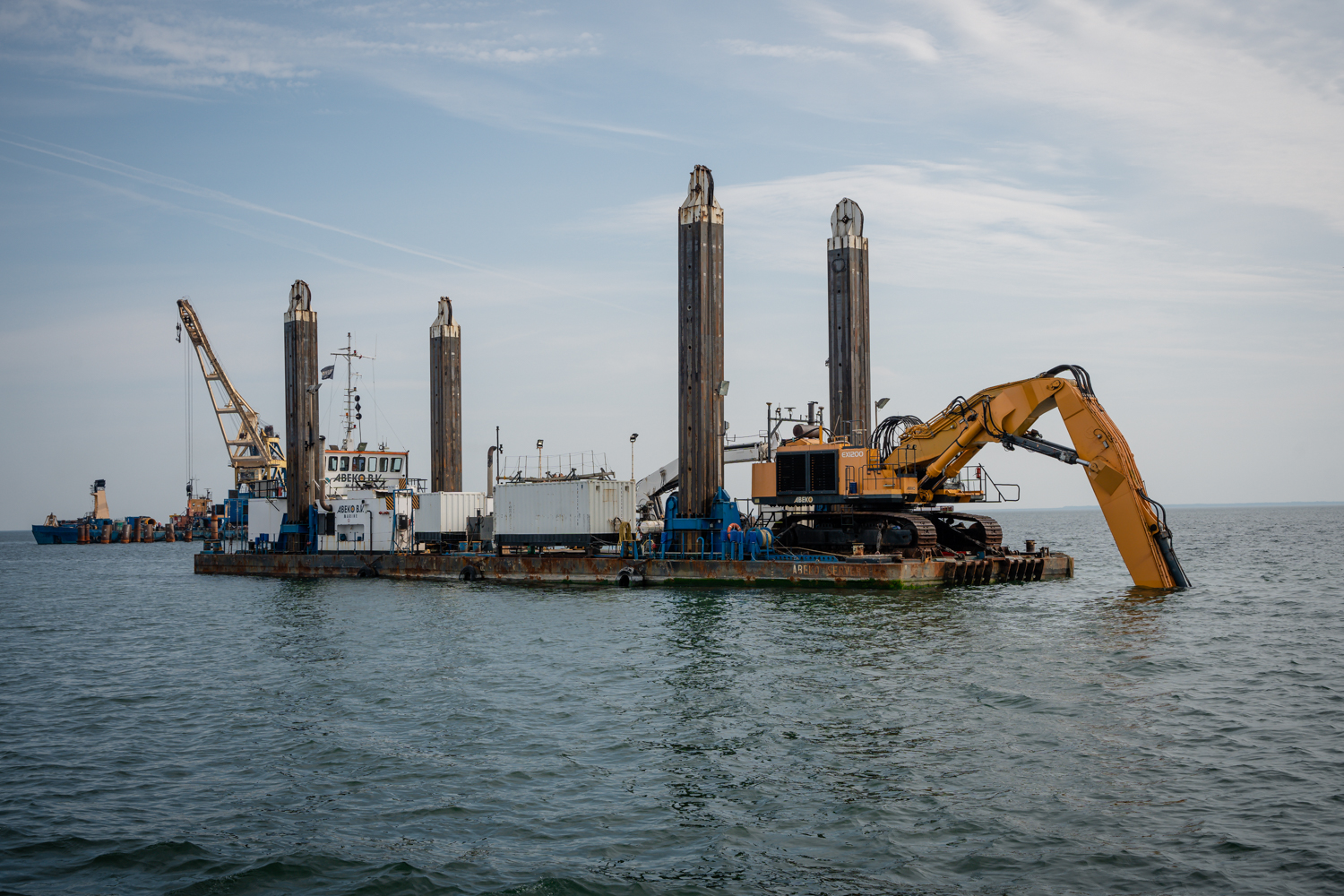
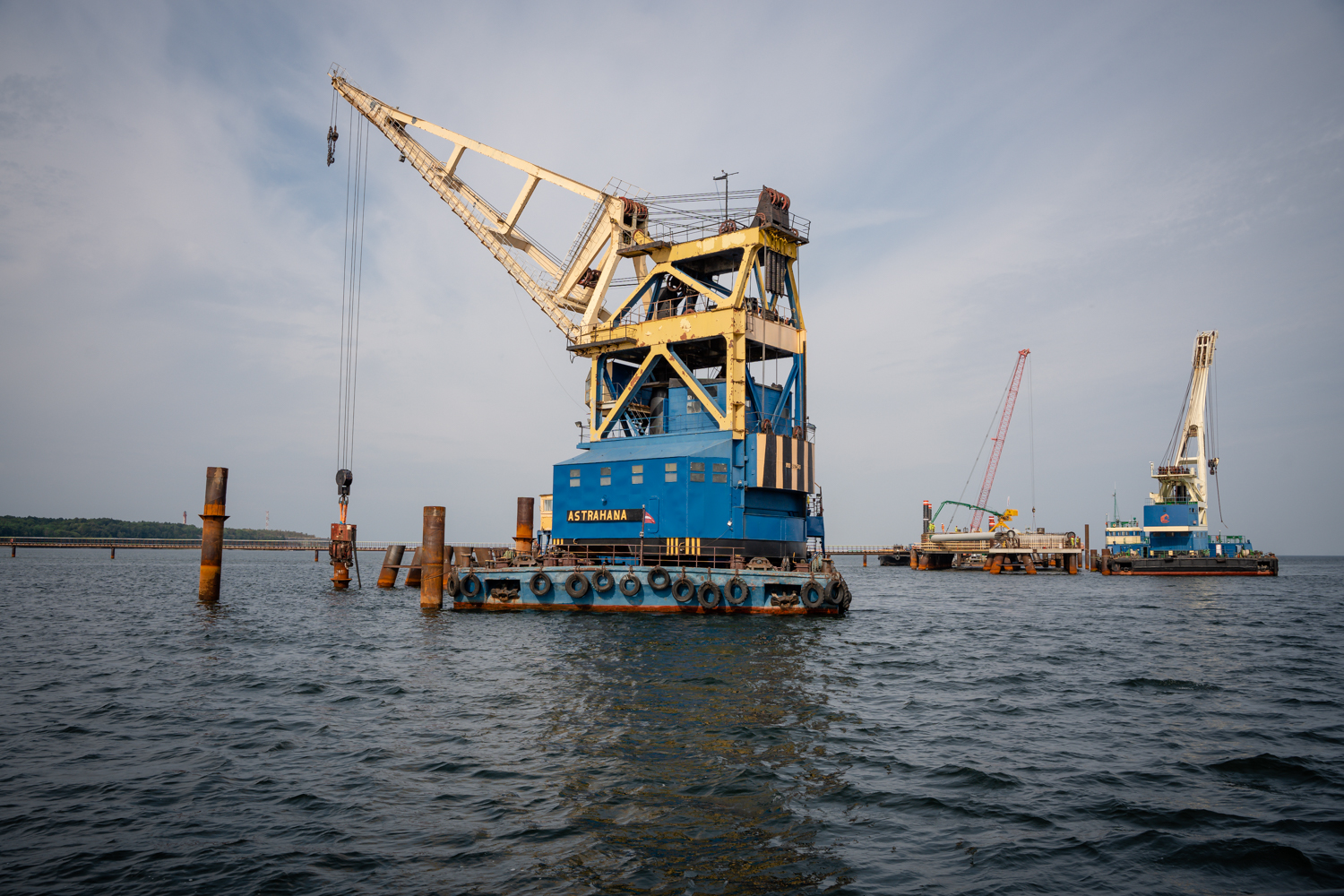
I was proud to read in the New York Times last week that the LNG terminal being constructed in Paldiski is likely to be the first of its kind in Europe to be completed since the outbreak of the war in Ukraine. That is a mark of recognition for Estonia’s entrepreneurs and business environment. The completion of the terminal will show that Estonia is capable of achieving great things both quickly and flexibly.
Of course, in speaking of the terminal we must also mention the political situation in which we are embroiled. As I have said before, we cannot use gas which is stained with the blood of other nations, and we cannot place ourselves in a situation whereby we are so reliant on Russian gas that we are easy to manipulate. The whole world needn’t be in thrall to Russian gas, which is why we must find alternatives to it.
The share of gas in Estonia’s energy use portfolio may be modest, but there are spheres in which natural gas forms a significant part of overall energy consumption. Gas is also used by many households who would find it difficult to replace in the short term. Moreover, gas is important in our electricity system, inasmuch as it is used widely in power stations in our neighbouring countries. Nor is it any secret that our emergency reserve power plants run on gas, even though we could use another fuel source to operate them.
Establishing reception capacity for liquefied natural gas is vital in ensuring that homes will be heated and companies able to function this coming winter in the Baltic States and Finland.
But I urge you to look beyond the utilities issues before us and to evaluate gas connections in a broader context.
A larger number of external links will expand the market and boost flexibility, growing business opportunities not just in Paldiski, but throughout Estonia. Greater flexibility will be of enormous importance in the future, when our energy is no longer derived to such a large extent from oil shale and when wind, solar or possibly even nuclear power play more of a role.
I am delighted that Paldiski has become a pioneer in Estonia’s energy transition. In addition to gas infrastructure, the city and its surrounding area are home to wind turbines, and a pumped hydropower plant is set to be constructed nearby that will be able to be used to store energy round the clock.
All of these investments will make Paldiski more competitive, and give others further reason to invest in the city.
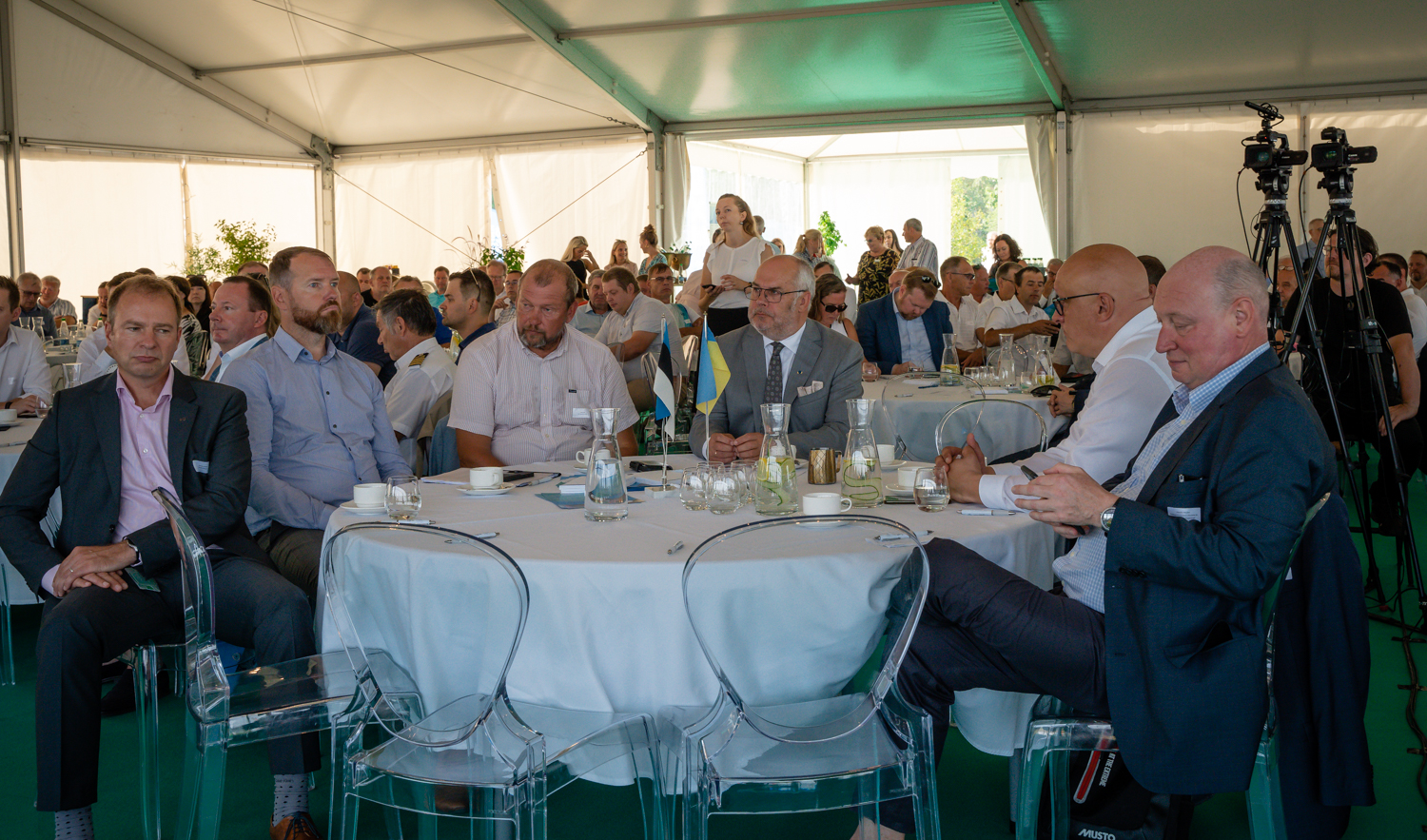
For today, however, I wish you all productive and enlightening discussions.
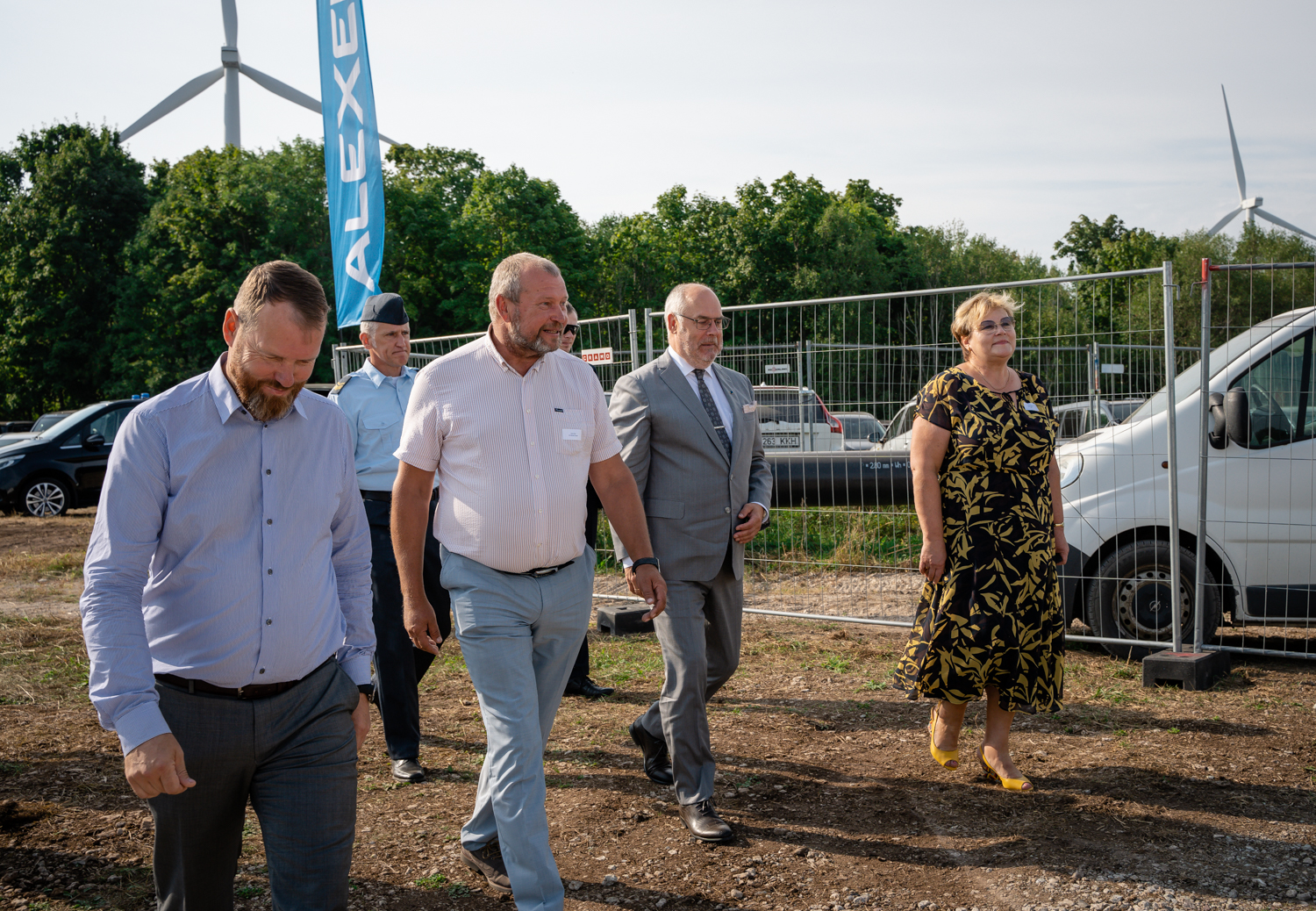
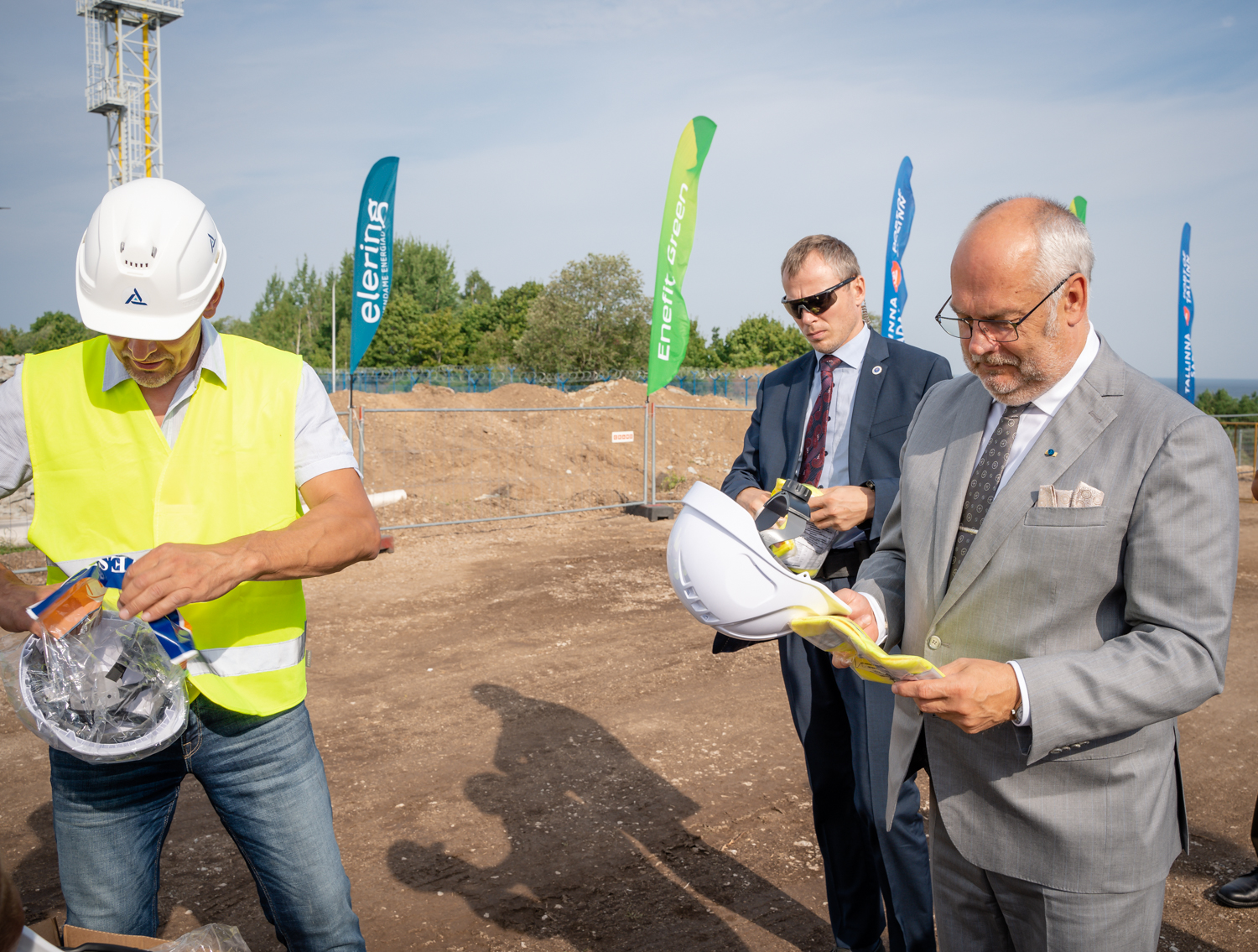
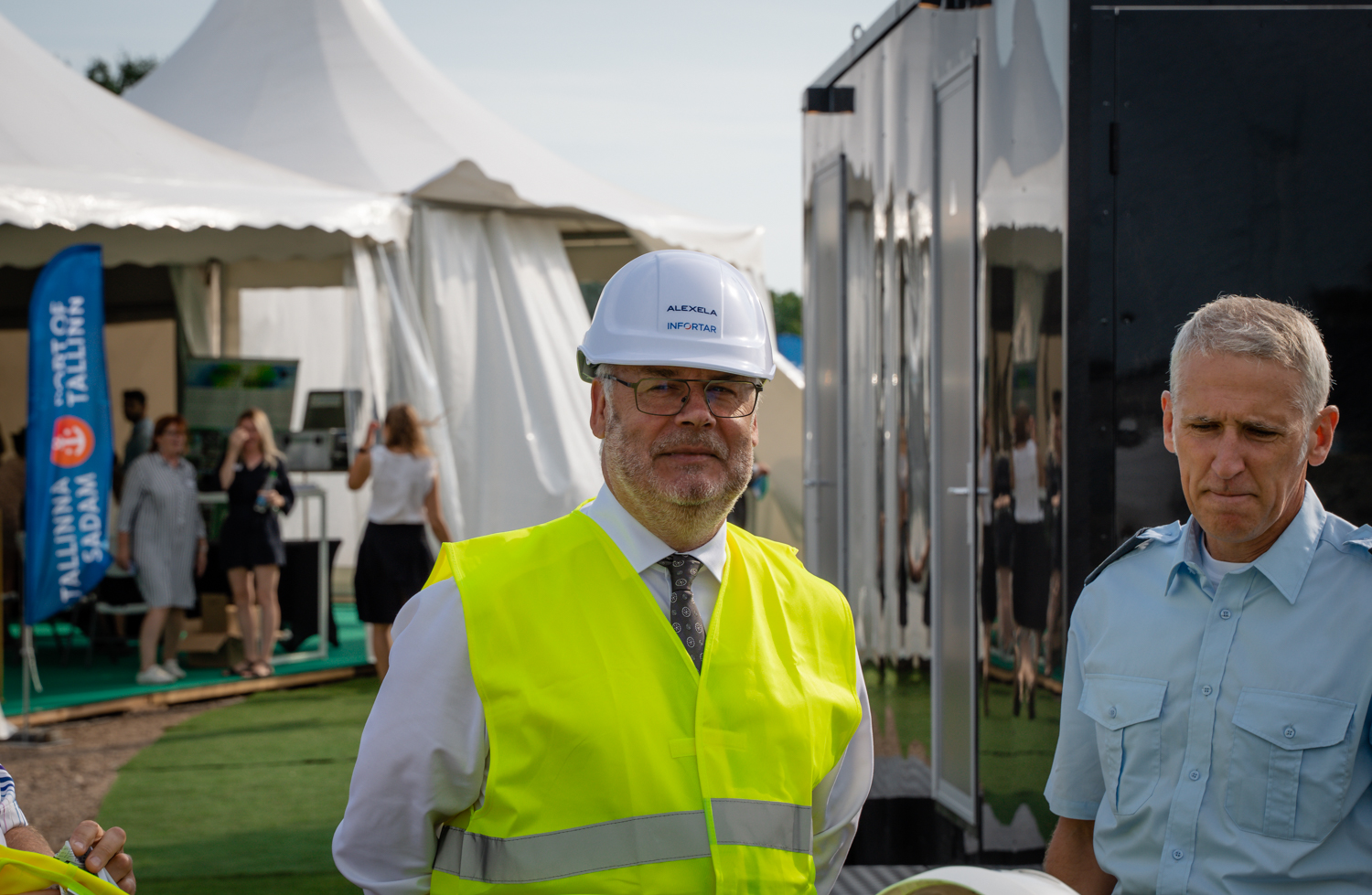
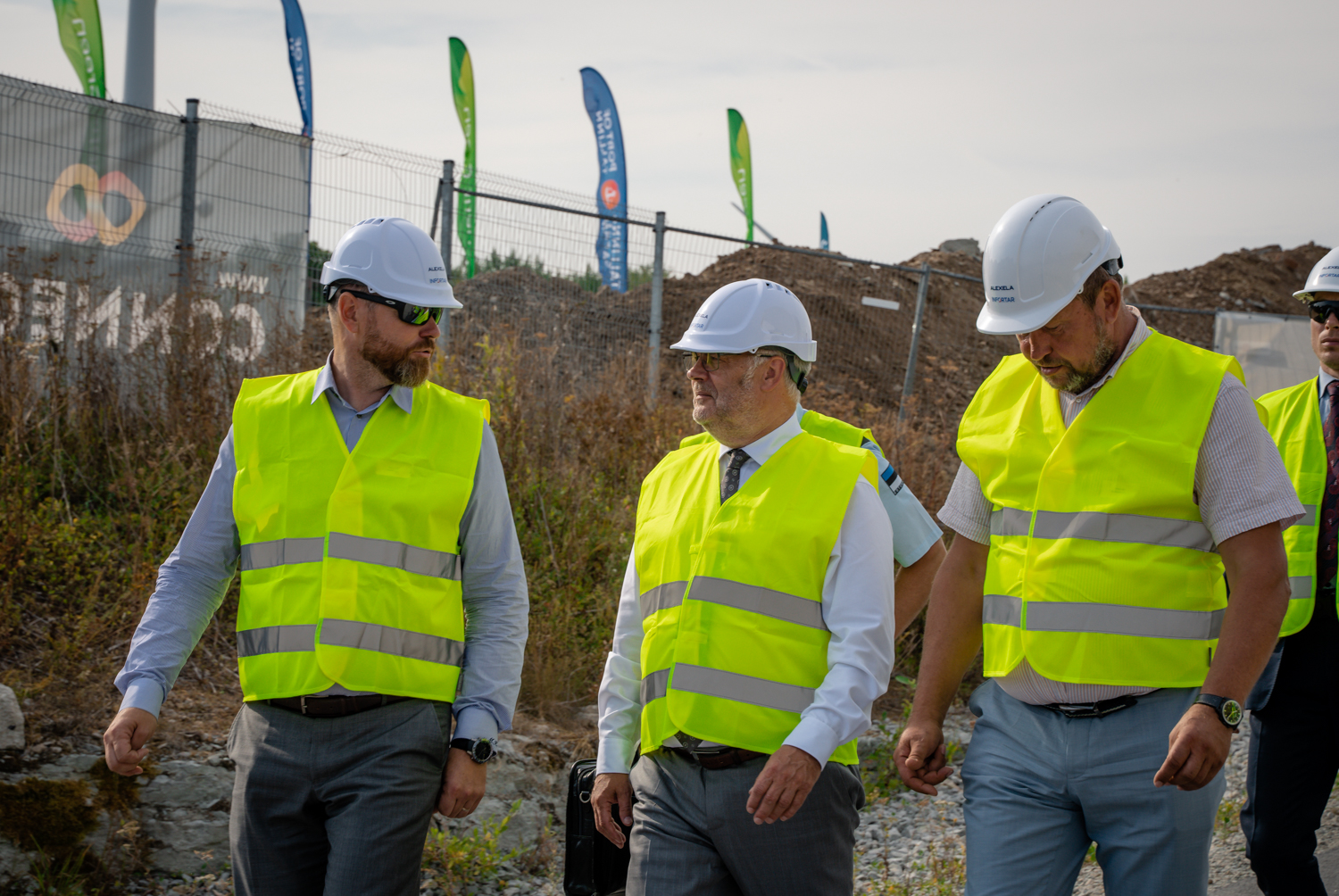
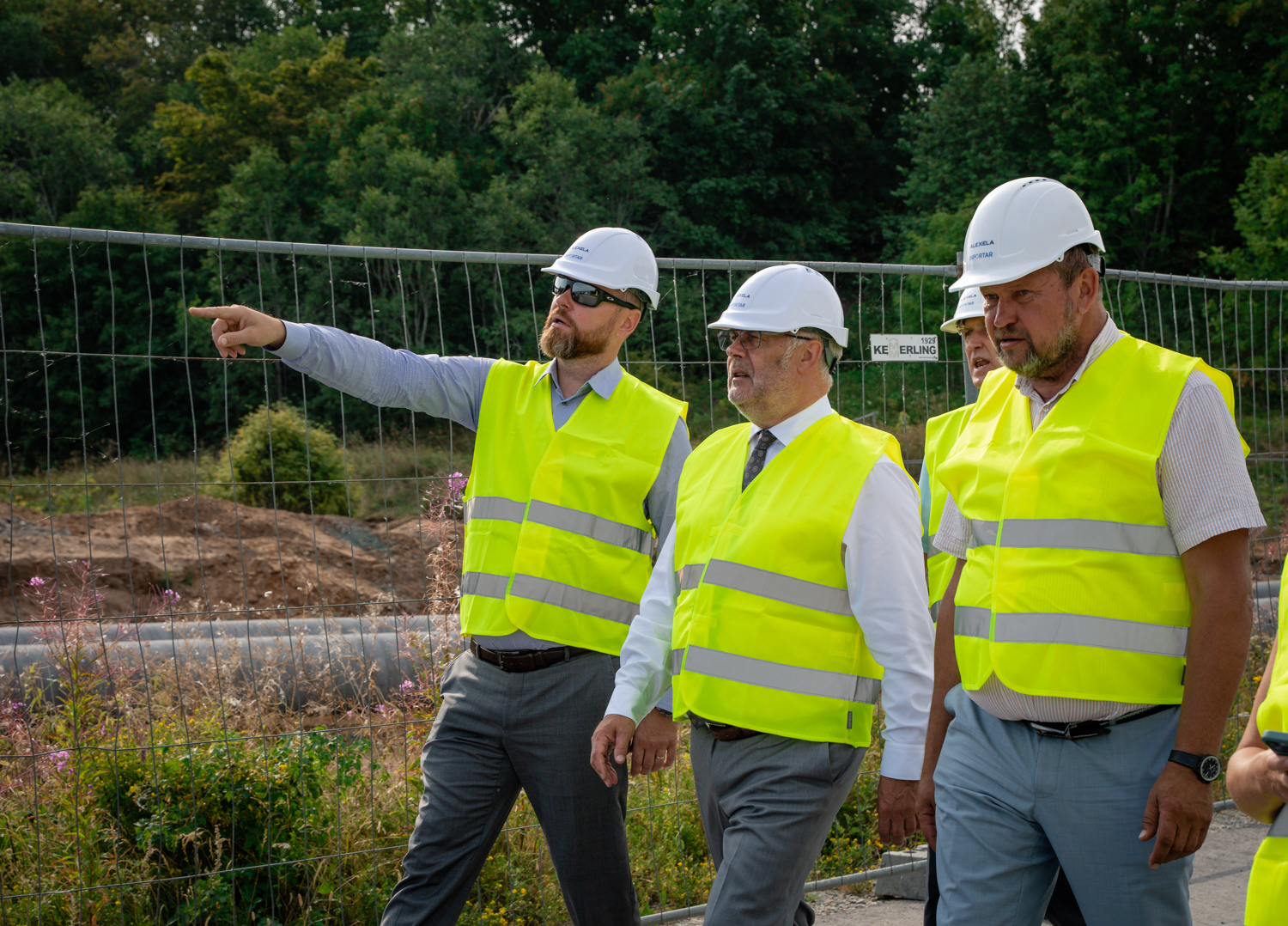
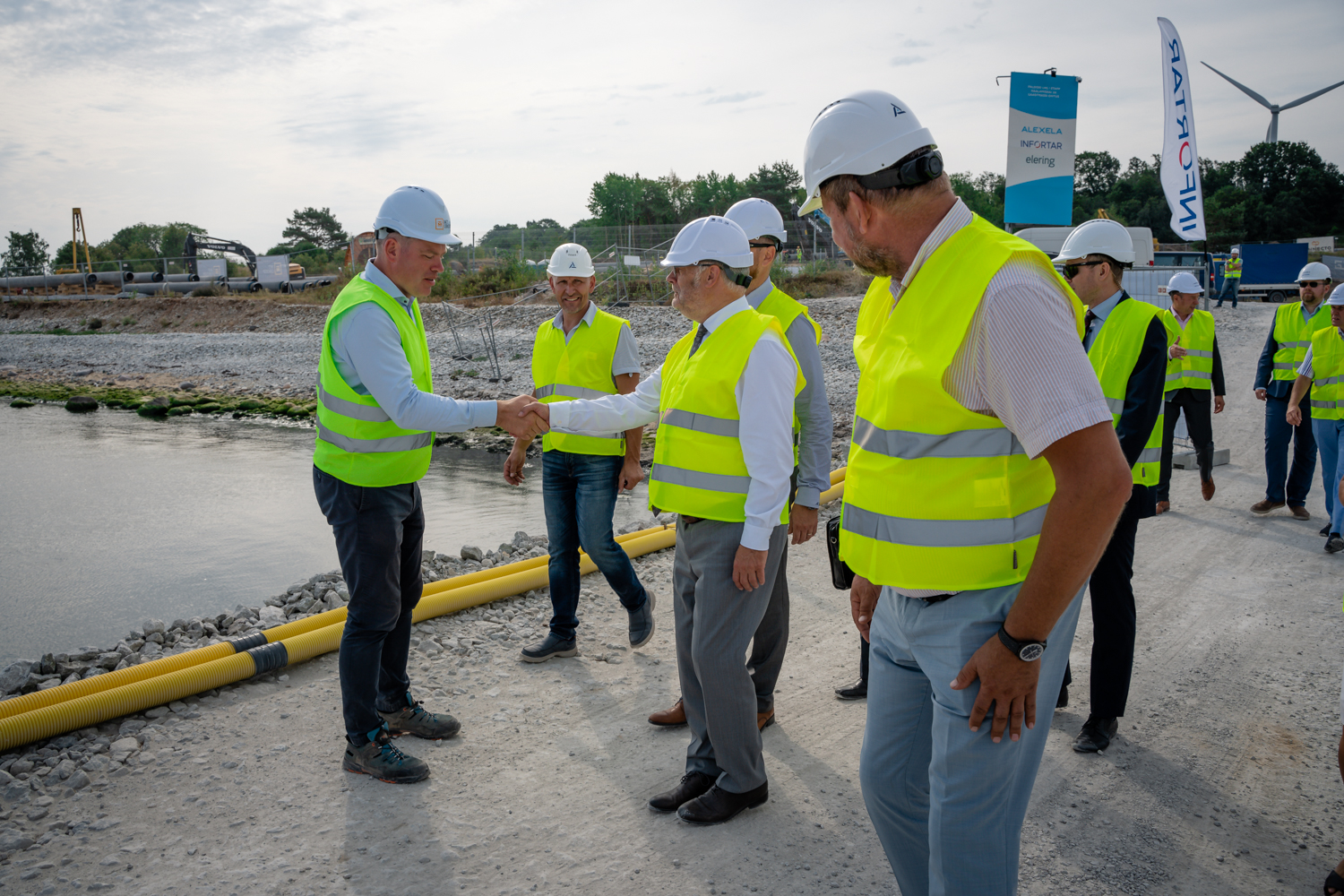
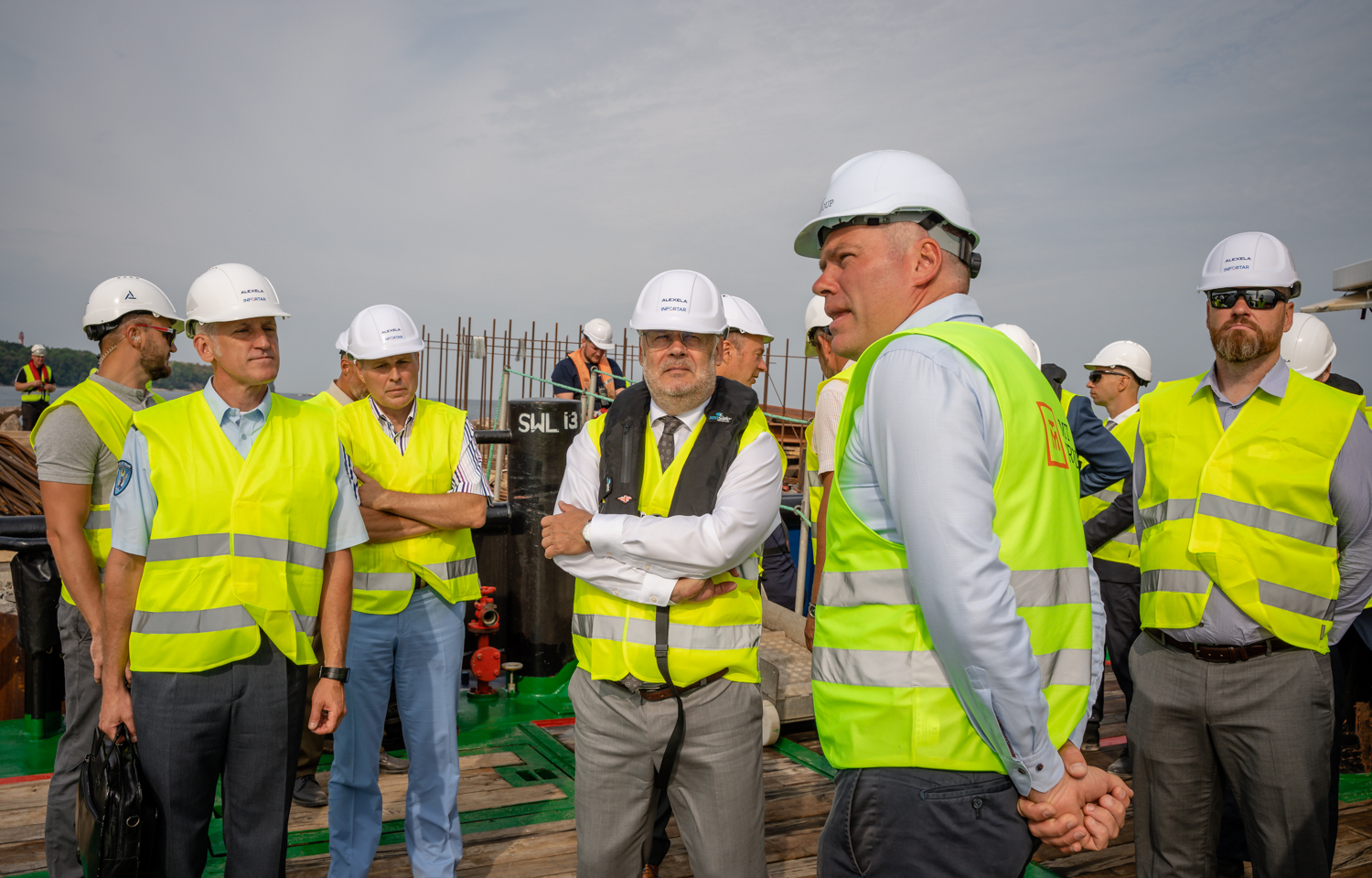
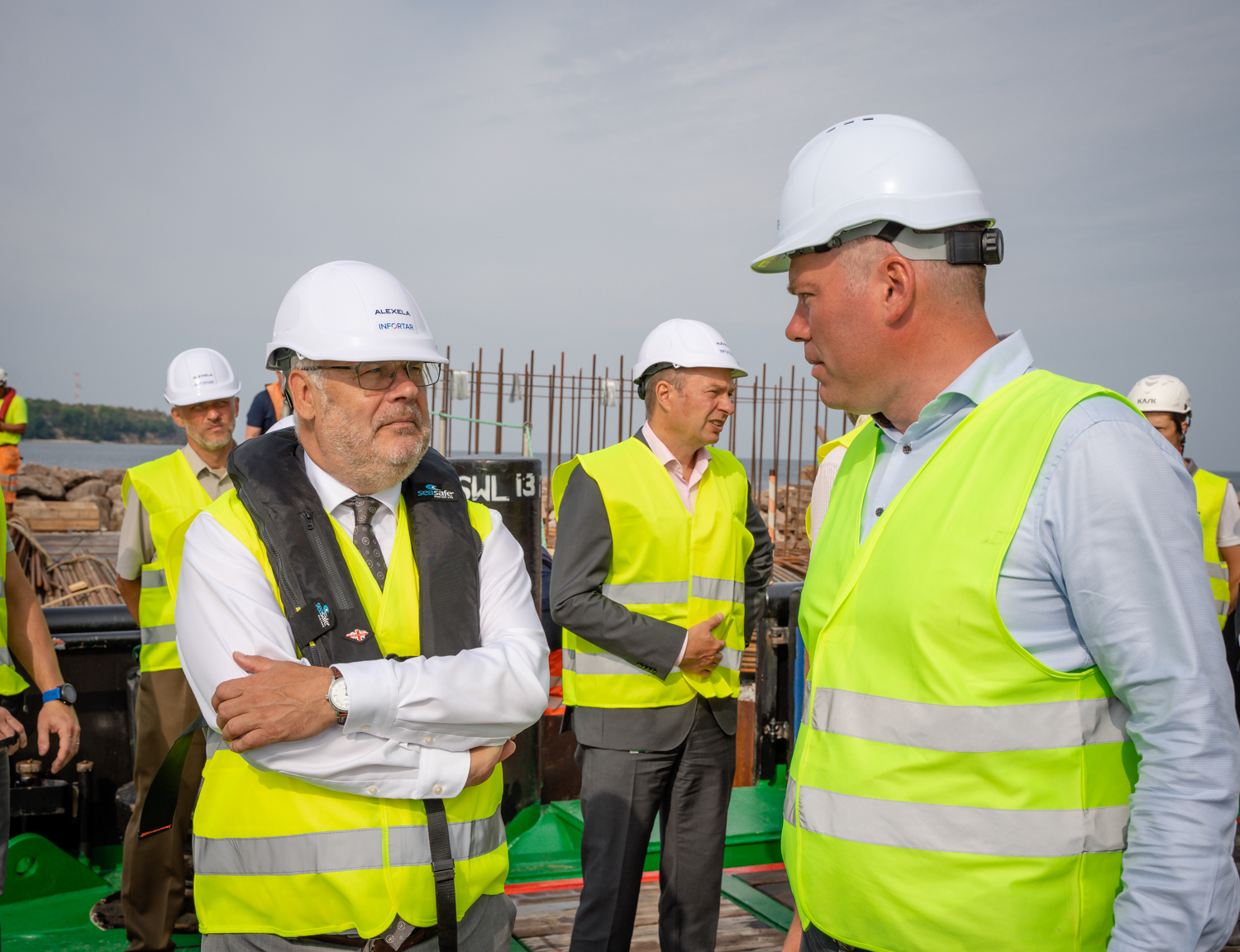
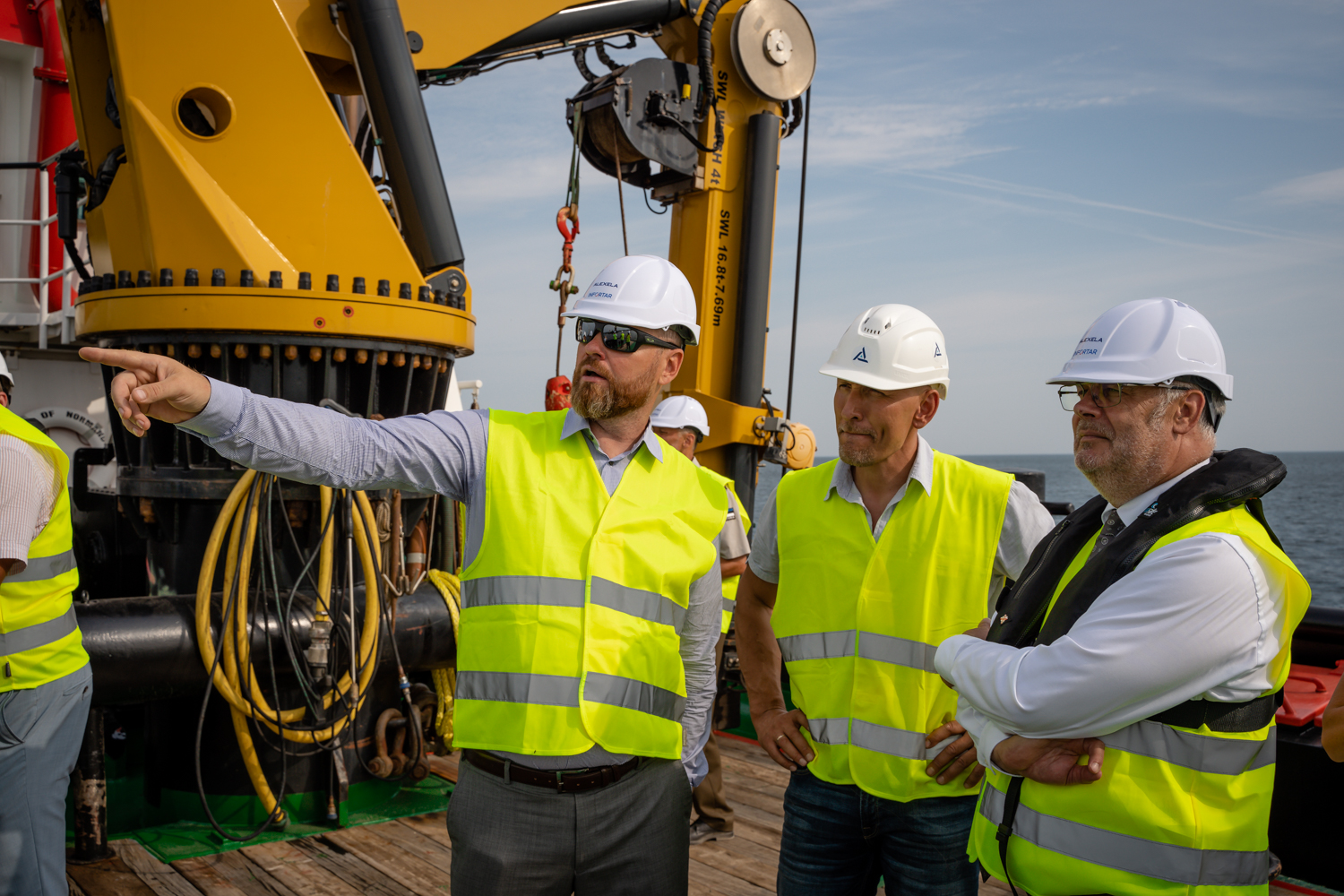
I apologise for having to leave so soon, but the people from Alexela promised to show me how construction of the LNG terminal is going.
Thank you!